
From Field to Flour: The Journey of Corn Processing Unveiled
In a world where the origins of our food often fade into the background, the story of corn unfolds like a vibrant tapestry woven through time, culture, and innovation. From the sun-kissed fields where golden stalks sway in the breeze to the bustling mills transforming humble kernels into silky flour, each step of this journey reveals the intricate processes and passionate hands behind one of humanity’s oldest cultivated crops. As we delve into the transformative path of corn processing, we invite you to explore the fascinating interplay of agriculture, technology, and tradition that elevates this versatile grain from its rural roots to the heart of our kitchens. Join us as we peel back the layers of corn’s voyage and uncover the meticulous craftsmanship that transforms the field’s bounty into the staple flour that nourishes millions around the globe.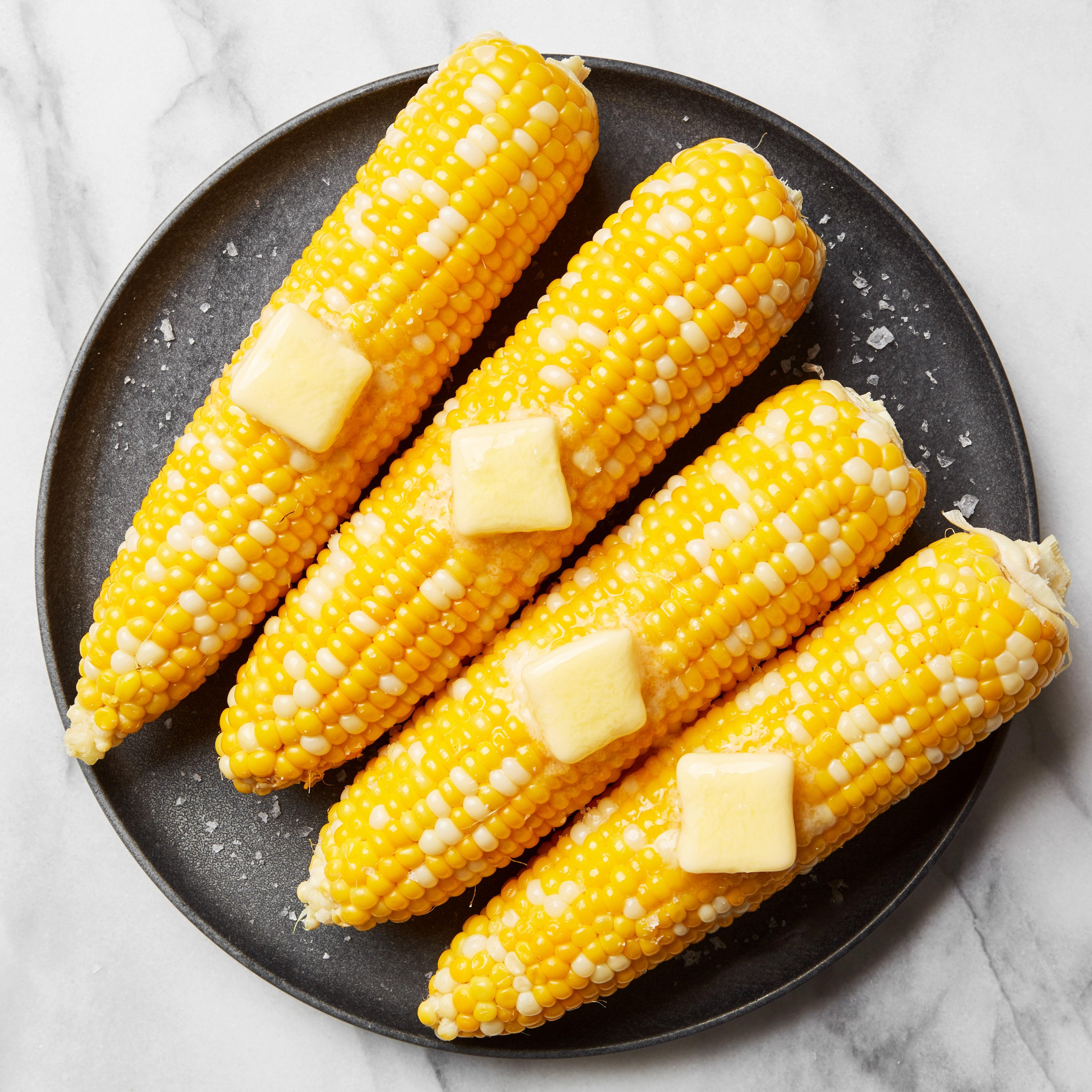
Exploring the Lifecycle of Corn: From Seed to Harvest
Corn begins its remarkable journey as a small seed nestled in the soil, awaiting the perfect conditions for growth. Over the span of several weeks, with the right combination of moisture, warmth, and sunlight, the seed germinates and breaks through the ground, symbolizing the birth of a new plant. As it grows, the corn plant undergoes several stages, developing sturdy stalks and broad leaves. It enters the reproductive phase, where tassels emerge to release pollen, marking the moment when female flowers, also known as ears, will develop. The process is a delicate balance of nature, relying heavily on pollination and weather conditions to ensure a successful yield.
Once the corn reaches maturity, it’s time for harvest—a vibrant culmination of months of care and growth. Farmers carefully cut down the stalks and gather the ears, often using specialized machinery designed to ensure efficiency and minimize waste. After harvesting, the corn undergoes a meticulous post-harvest process, which includes drying, grading, and storing to maintain quality. The journey doesn’t end in the field; the corn is transported to processing facilities where it is transformed into various products, including meal, syrup, and starch, contributing to our culinary landscape. Below is a glimpse of some of the common corn products and their uses:
| Corn Product | Common Uses |
|---|---|
| Cornmeal | Baking, frying, thickening |
| Corn Syrup | Sweetener for processed foods |
| Corn Starch | Thickening agent in sauces |
| Popcorn | Snack food |

The Science of Milling: Transforming Corn into Flour
The journey of corn transforming into flour is a fascinating scientific process steeped in both nature and innovation. Milling—the process of grinding grain into flour—starts long before any machinery is involved. It begins in the field, where the corn is grown, nurtured, and harvested. Upon harvest, corn kernels undergo a series of steps to prepare them for grinding. The kernels must be cleaned of any residual husk and debris, and any moisture content needs regulation to ensure optimal milling. This careful calibration ensures that each kernel retains its essential qualities as it transitions into flour. As the corn moves through the milling machine, it’s subjected to various mechanical forces that break apart the kernels and expose the starchy endosperm, the heart of the corn that will ultimately become flour.
Once the corn is milled, additional processes may be applied to enhance the flour’s properties. The ground product can be further refined, resulting in different types of flour suited for various culinary purposes. These processes may include:
- Sieving: Separating coarse particles from finer flour.
- Blending: Mixing corn flour with other flours for desired textures.
- Enriching: Fortifying flour with vitamins and minerals.
To better understand this intricate transformation, consider the following table which outlines the key stages in moving from corn to flour:
| Stage | Description |
|---|---|
| Harvesting | Collecting mature corn from the fields. |
| Cleaning | Removing impurities and moisture from the kernels. |
| Milling | Grinding the kernels to produce corn flour. |
| Refining | Enhancing flour quality for various uses. |

Nutritional Insights: The Benefits of Corn Flour in a Balanced Diet
Corn flour, a staple derived from the versatile maize plant, offers a plethora of nutritional benefits that can enhance a balanced diet. Rich in dietary fiber, this golden-hued ingredient promotes digestive health by supporting regular bowel movements and fostering a healthy gut microbiome. Its gluten-free nature makes it a popular choice among those with gluten sensitivities or celiac disease, allowing for greater inclusivity in various culinary delights. Furthermore, corn flour serves as a remarkable source of essential vitamins, particularly B vitamins—including thiamine, niacin, and folate—which play a critical role in energy metabolism and cellular function.
In addition to vitamins, corn flour is also a noteworthy provider of various essential minerals. It boasts significant amounts of magnesium, potassium, and phosphorus, all vital for maintaining bone health and proper muscle function. Incorporating corn flour into meals can contribute to a sense of satiety, thanks to its moderate protein content. Here’s a brief overview of its nutritional profile per 100 grams:
| Nutrient | Amount |
|---|---|
| Calories | 365 kcal |
| Protein | 7.3 g |
| Fat | 4.2 g |
| Carbohydrates | 76.3 g |
| Dietary Fiber | 7.3 g |
Embracing corn flour not only adds a delightful flavor and texture to your favorite dishes but also enriches your diet with nutrients that help fuel your body effectively. From baking to thickening sauces, this ingredient continues to remain a valuable component in culinary traditions worldwide.

Sustainable Practices in Corn Processing: Recommendations for Future Growth
The journey of corn processing from field to flour can greatly benefit from adopting innovative and sustainable practices that not only improve efficiency but also minimize environmental impact. Implementing crop rotation techniques is a proven method that enhances soil health and promotes biodiversity, providing a healthier foundation for corn cultivation. Additionally, investing in precision agriculture technologies can optimize resource usage by ensuring that water, fertilizers, and pesticides are applied more accurately, leading to reduced runoff and less chemical dependency. Emphasizing organic farming methods can also attract environmentally-conscious consumers and support regenerative ecosystems.
Moreover, adapting energy-efficient processing methods is essential for reducing carbon footprints in mills. Using renewable energy sources, such as solar or wind power, can supplement energy requirements and lower operating costs over time. A closed-loop water system is another recommendation, enabling processors to recycle water used in milling and cooling, thereby conserving local water resources. By committing to these sustainable strategies, companies can not only drive future growth but also solidify their reputation as responsible players in the corn industry.
| Sustainable Practice | Benefits |
|---|---|
| Crop Rotation | Improved soil health and increased biodiversity |
| Precision Agriculture | Optimized resource usage and reduced chemical runoff |
| Renewable Energy | Lower operational costs and reduced carbon emissions |
| Closed-Loop Water System | Conservation of local water resources |
Final Thoughts
As we draw the curtain on our exploration of the remarkable journey from field to flour, it becomes clear that corn is not merely a staple in our diets, but a testament to nature’s bounty and human ingenuity. Each kernel carries with it a story—one of cultivation, care, and conversion—woven into the very fabric of our food systems.
The meticulous process that transforms this golden grain into versatile flour encapsulates the blend of tradition and technology, illustrating how age-old practices coexist with modern advancements to meet our culinary needs. Whether it graces our tables as tortilla wraps, cornbread, or a myriad of other delights, corn flour stands as a symbol of agricultural evolution and the relentless pursuit of quality.
So, the next time you relish the flavor of corn-based dishes, take a moment to appreciate the intricate journey it undertook—from sunlit fields to the milling process—and the countless hands that contributed to bringing it to your plate. In understanding this journey, we not only honor the past but also embrace the sustainable practices that nurture our future. As we continue to delve into the richness of our food sources, let us celebrate each bite as a connection to the earth and to one another.




