
In the heart of agricultural landscapes across the globe, a humble yet transformative journey unfolds: the journey of maize, a staple crop that nourishes millions. While its vibrant yellow kernels often capture our attention, the intricate process that breathes life into this grain remains largely shrouded in mystery. “From Field to Flour: The Art of Maize Milling Unveiled” invites readers to step into the fascinating world of maize milling, where skilled hands and sophisticated machinery converge to convert golden cobs into versatile flour. This exploration unveils not only the meticulous techniques and traditions that have been passed down through generations but also the modern innovations that enhance efficiency and sustainability. Join us as we peel back the layers of this culinary cornerstone, understanding its significance in our kitchens and its impact on global food systems.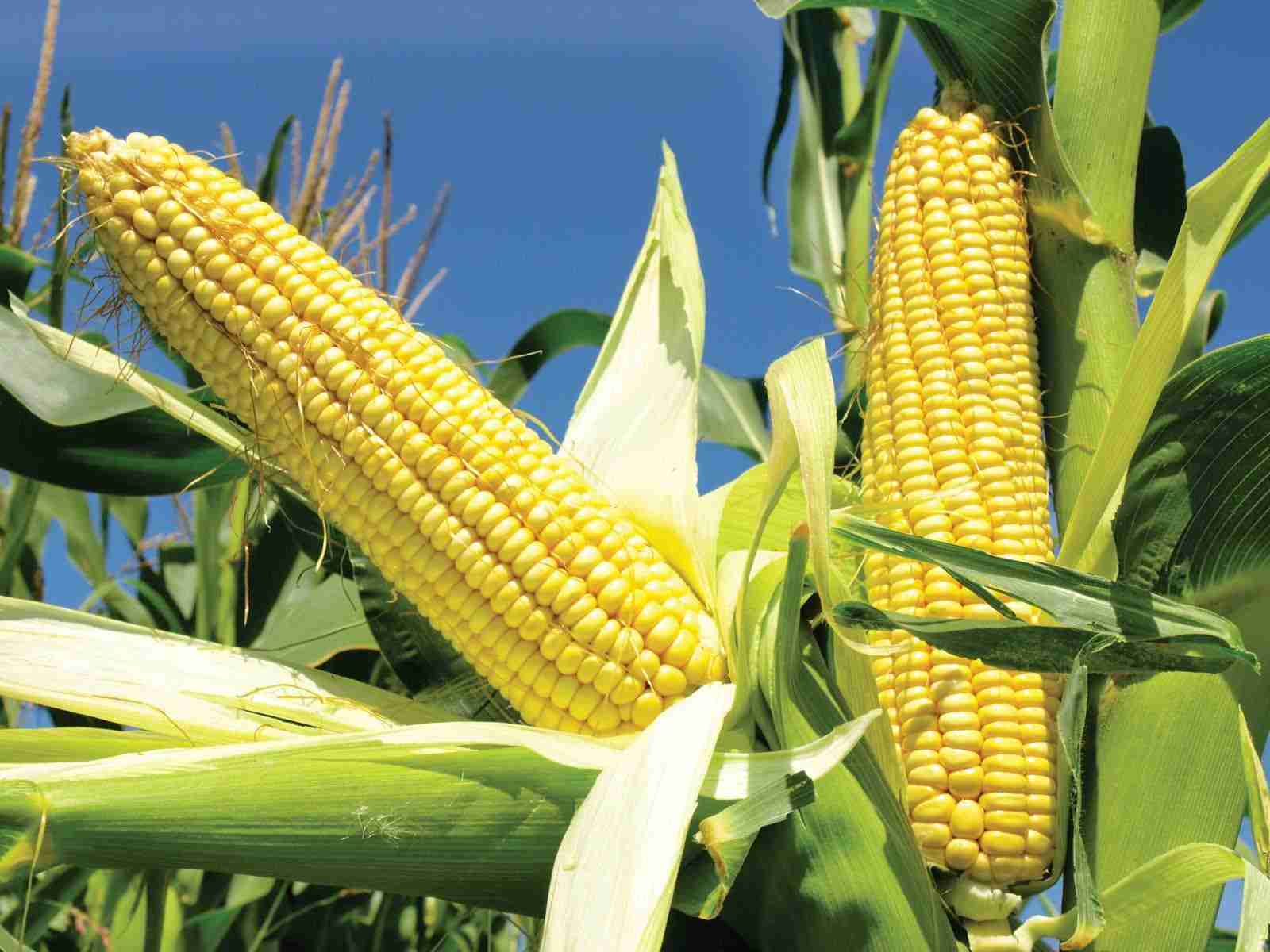
Understanding Maize: The Journey Begins in the Field
The journey of maize from the field to the consumer’s table is nothing short of fascinating. It begins with the rich tapestry of the agricultural landscape, where the golden ears of maize sway gently in the breeze. Farmers meticulously cultivate the land, ensuring that the soil is nutrient-rich and capable of nurturing this versatile grain. Key factors such as climate, soil type, and irrigation practices significantly influence the quality and yield of maize produced. Understanding these variables is essential for maximizing the benefits of this crop, which serves as a staple food for millions around the globe.
As the maize reaches maturity, the harvesting process kicks in, bringing with it a flurry of activity. After collection, the maize undergoes a thorough cleaning and drying process to ensure optimal quality. This step is crucial, as it prepares the grains for the next phase of their journey—milling. The milling process is an art in itself, transforming plump kernels into fine flour or grits. This is achieved through a blend of traditional techniques and modern machinery, which works together to maintain the nutritional integrity of the grain. The end product is not only a culinary staple but also a testament to sustainable agricultural practices that begin long before the first kernel is planted.
Exploring the Milling Process: Techniques and Innovations
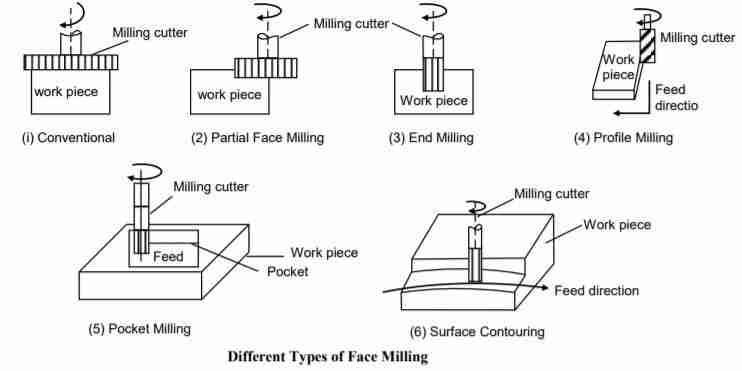
The milling process is a fascinating blend of art and science, transforming maize from humble grains into versatile flour. Various techniques have emerged over time, each contributing unique textures and flavors. Traditional stone milling retains the natural oils in the maize, enhancing the depth and aroma of the flour. Meanwhile, modern roller milling provides a more uniform particle size, catering to industrial needs while ensuring efficiency. Key innovations in this field include:
- Enhanced Machinery: Advanced milling machines have improved precision, allowing for finer control over the grinding process.
- Digital Monitoring: Sensors and software now monitor moisture content and grind size, ensuring consistency and quality.
- Eco-Friendly Practices: New methodologies focus on reducing waste and energy consumption, promoting sustainability in milling operations.
The end product, flour derived from maize, offers a myriad of culinary possibilities. Depending on the milling process applied, the characteristics of the flour can vary significantly, influencing its applications in cooking and baking. Consider the following comparison that highlights the differences based on milling techniques:
| Milling Technique | Texture | Flavor Profile | Common Uses |
|---|---|---|---|
| Stone Milling | Coarse | Nutty | Breads, tortillas |
| Roller Milling | Fine | Neutral | Cakes, pastries |
Quality Control in Flour Production: Ensuring Excellence
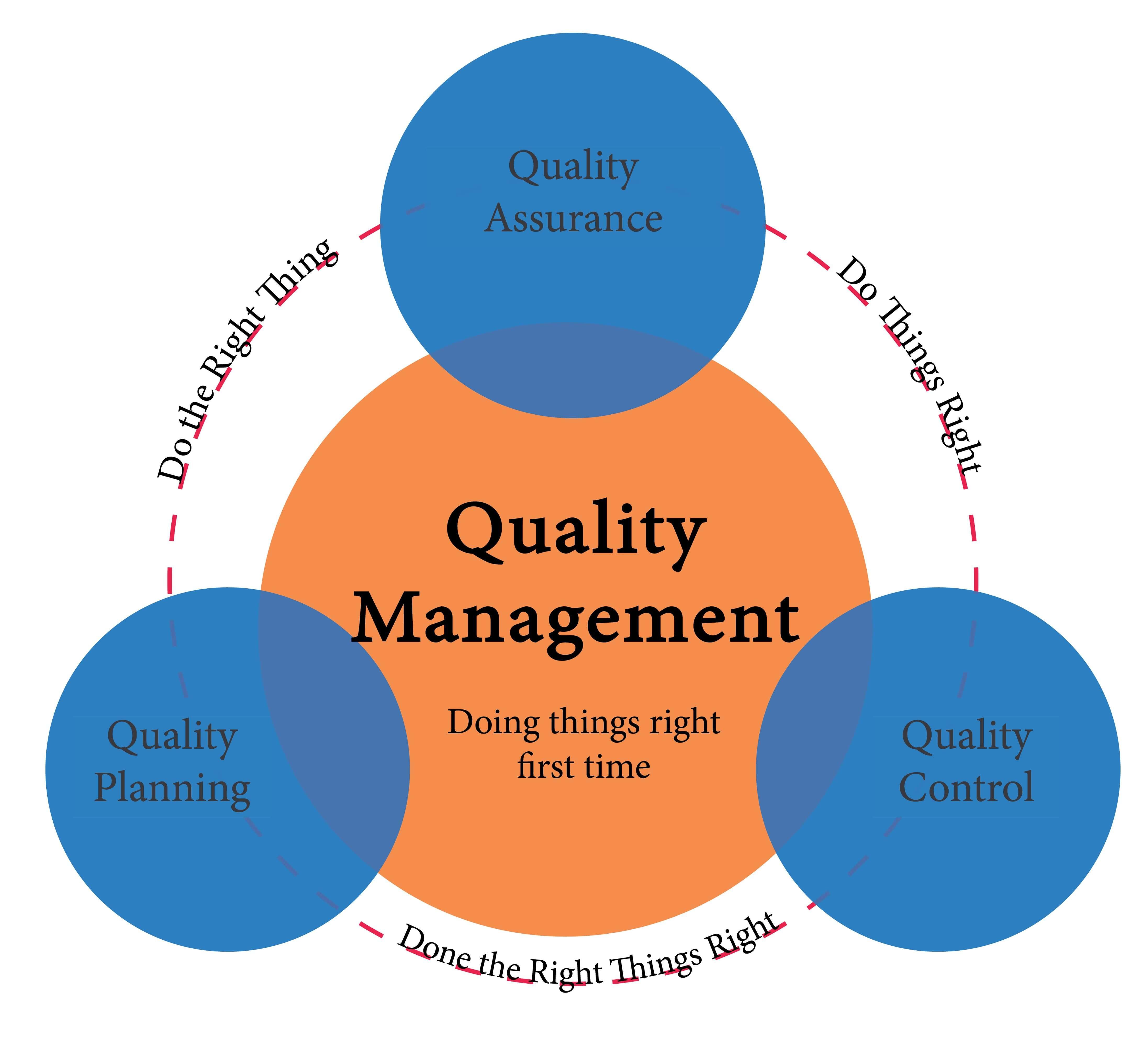
Quality control is a critical aspect of flour production that ensures every bag of flour meets rigorous standards of excellence before it reaches consumers. The process begins long before the milling stage, starting right at the source: the maize fields. Farmers are required to follow best agricultural practices, ensuring that the maize harvested is of the highest quality. Once the maize is harvested, it undergoes a series of tests to detect any potential issues such as moisture levels, pesticide residues, and kernel integrity. Each step taken from the field to the milling facility is a safeguard against inferior product development.
Once in the milling facility, the maize is subjected to further scrutiny. Key practices include:
- Visual Inspection: This involves checking the bulk maize for contaminants or unwanted materials.
- Grading: Maize is graded based on size, color, and moisture content to ensure uniformity.
- Laboratory Testing: Samples are analyzed for flour yield, protein content, and other quality metrics.
| Quality Metric | Standard Value | Outcome |
|---|---|---|
| Moisture Content | 14% max | Ensures shelf stability |
| Protein Level | 8-10% | Influences baking performance |
| Aflatoxin Level | Below detectable limits | Ensures safety for consumption |
By maintaining strict quality control measures throughout each stage of production, manufacturers safeguard not only their products but also the trust consumers have in their brand. Effective cooperation among farmers, milling professionals, and quality control personnel creates a harmonious cycle of excellence, highlighting the artistry involved in milling maize into flour. Each batch is a testament to the commitment to quality—an important aspect that underscores the overall integrity of the flour industry.

Sustainable Practices in Maize Milling: A Breach Towards Eco-Friendliness
The journey of maize from farm to flour goes beyond mere processing; it embodies a commitment to sustainable practices that aim to preserve the environment. Modern milling facilities are embracing eco-friendly technologies that reduce waste and energy consumption. Techniques such as solar energy harnessing, water recycling systems, and biodegradable packing materials are becoming commonplace, helping to lessen the carbon footprint of the milling process. Furthermore, many mills are engaging in agricultural partnerships that promote organic farming practices, ensuring that the very source of maize is cultivated sustainably.
Moreover, sustainable maize milling often includes the implementation of waste management systems that turn by-products into value-added products. Mills are increasingly focusing on utilizing the entirety of the maize kernel, resulting in a minimal waste philosophy. Some notable initiatives include:
- On-site composting of husks and cobs to produce organic fertilizers.
- Production of animal feed from milling by-products, thereby supporting local agriculture.
- Energy generation through biomass from leftover grain materials, powering operations sustainably.
These innovative solutions not only benefit the environment but also create economic opportunities, fostering a cycle of sustainability. As the demand for environmentally conscious practices rises, maize milling can set a benchmark for other sectors, paving the way toward a greener future.
In Retrospect
As we conclude our journey through the intricate process of maize milling, it becomes clear that this age-old art is more than just a method of processing grain; it is a union of tradition and innovation, skill and science. From the golden fields that stretch under the sun to the finely milled flour that graces our kitchens, each step in the process tells a story—of hard work, cultural heritage, and a deep connection to the land.
The transformation of maize into flour is a tapestry woven with the threads of sustainability and craftsmanship, reflecting not only the potency of nature but also the ingenuity of humankind. As we’ve unveiled the techniques, tools, and artisans behind this essential food source, we’ve gained a deeper appreciation for the humble yet powerful maize grain.
As you sprinkle flour into your favorite recipes or savor the comforting taste of baked goods, take a moment to reflect on the journey from field to flour. It’s a reminder of the dedication that goes into each kernel, ensuring that the fruits of the harvest nourish us all. In embracing the art of maize milling, we celebrate not just a process, but a remarkable legacy that continues to feed, bind, and inspire generations.




