
From Field to Flour: The Art of Maize Milling Uncovered
In a world where culinary trends ebb and flow like the seasons, there exists an ancient process that remains steadfast—a journey that begins in sun-kissed fields and culminates in the soft embrace of flour. This is the story of maize milling, an age-old craft that transforms humble kernels into a versatile staple, enriching diets across cultures. As we peel back the layers of this intricate art, we invite you to explore the journey of maize—from its harvest in vibrant fields to the rhythmic whir of milling machines, where passion and precision unite. Join us as we uncover the history, techniques, and innovations that breathe life into the seemingly simple step of turning grain into flour, and discover how this time-honored practice continues to shape our kitchens and communities today.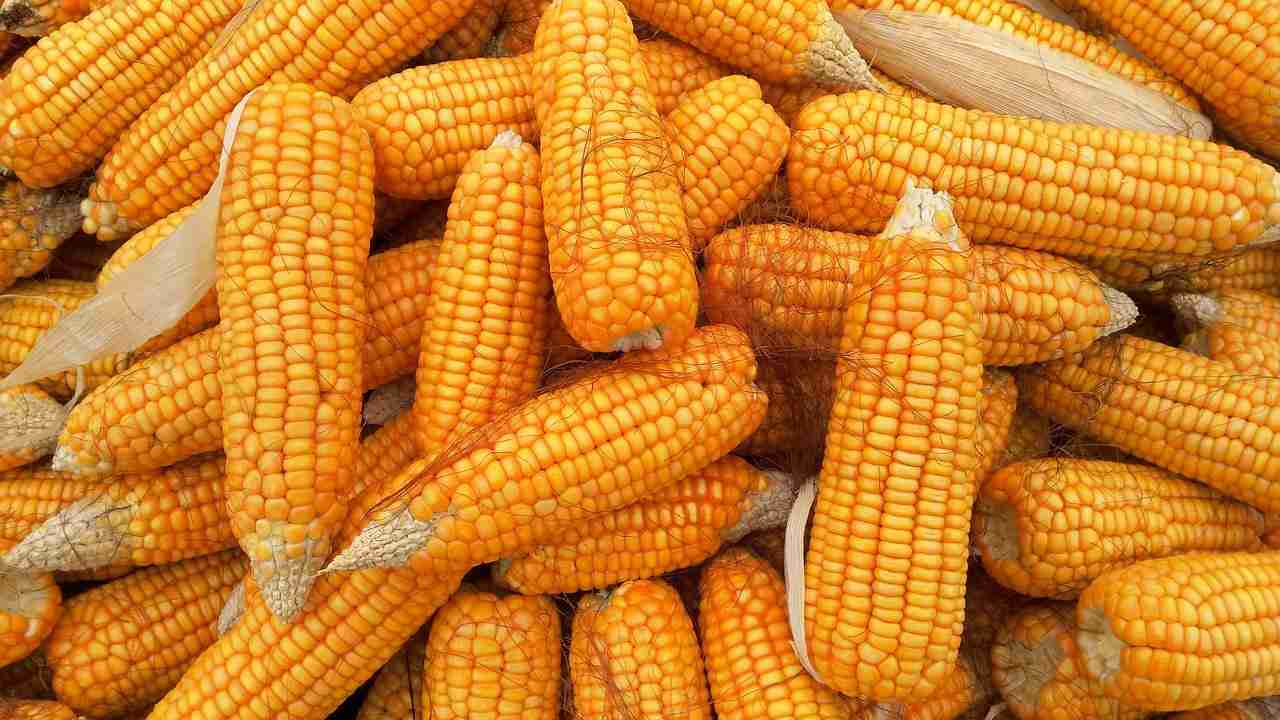
Exploring the Journey of Maize from Harvest to Milling
The journey of maize from field to flour encapsulates a meticulous process that intertwines tradition with innovation. Once harvested, the maize undergoes careful cleaning to remove any debris or foreign particles, ensuring that only the purest kernels are selected for milling. This initial step is crucial as it sets the foundation for the quality of the final flour. Following the cleaning process, the maize is dried to an optimal moisture content, a key factor in achieving high-quality flour. Once adequately dried, the maize is then sorted and graded based on size and quality, using a combination of manual and mechanical methods to ensure that only the best grains move forward in the process. The various stages leading to milling can be summarized as follows:
- Harvesting: Collecting ripe maize from fields.
- Cleaning: Removing dirt and foreign materials.
- Drying: Reducing moisture content to prevent spoilage.
- Sorting: Grading the grains for quality.
With the maize primed for processing, the milling stage begins, transforming whole kernels into fine flour. This process typically involves several steps, including grinding, sifting, and blending, which can vary depending on the desired flour characteristics. The grinding process can be executed with stone mills, roller mills, or hammermills, each imparting its unique texture and flavor profile to the flour. As the maize is ground into meal, it is sifted through precision screens that separate different particle sizes, allowing millers to customize the final product based on culinary needs. The importance of this stage is further illustrated in the following table that lists common maize flour types and their uses:
| Flour Type | Common Uses |
|---|---|
| Fine Corn Flour | Pastries, sauces, and batters |
| Coarse Corn Meal | Polenta, cornbread, and grit |
| Corn Starch | Thickening agent for soups and gravies |
Once the milling process is complete, the flour is packaged and sent off to various markets, ready to be transformed into an array of food products. The journey from field to flour is not just a simple transition; it is a reflection of agricultural expertise, technological advancement, and a commitment to quality that sustains global food systems.

Understanding the Techniques of Traditional and Modern Milling
At the heart of maize milling lies a fascinating blend of traditional and modern techniques, each offering unique insights into the craft. Traditional milling methods, often steeped in cultural heritage, can include the use of stone mills and manual grinders. These methods prioritize the grain’s natural integrity, often resulting in a coarser flour that retains more nutrients and flavor. Key characteristics of traditional milling include:
- Artisan craftsmanship - Emphasizing skill and time-honored practices.
- Minimal processing – Maintaining the natural grain properties.
- Distinct flavors – Developing unique taste profiles from the grain.
On the other hand, modern milling techniques have transformed the landscape of flour production, introducing advanced technology and efficiency. Utilizing roller mills and industrial machinery, this approach allows for precision and consistency in flour texture and quality. Modern methods highlight features such as:
- Speed and efficiency – Capable of processing large quantities in a short time.
- Automation - Reducing human labor and potential for error.
- Versatility – Producing various flour types suitable for different culinary uses.
To further understand the differences between these techniques, consider the following comparative table:
| Feature | Traditional Milling | Modern Milling |
|---|---|---|
| Processing Time | Longer; labor-intensive | Rapid; machine-operated |
| Flavor Profile | Rich and unique | Consistent and mild |
| Nutrient Retention | Higher | Can vary |

Quality Control Practices in Maize Flour Production
Ensuring the highest quality of maize flour begins well before the milling process; it requires meticulous attention to every stage of production. Farmers are encouraged to adopt best agricultural practices, focusing on crop rotation, selected hybrid strains, and soil health to maximize the quality of the maize harvested. Once harvested, maize undergoes a series of quality assessments that include checking for moisture content, pest damage, and fungal infections. This initial quality control not only addresses the health of the maize but also plays a crucial role in the final flour’s purity and flavor profile.
Following successful harvesting, the maize enters a carefully monitored milling process that further emphasizes quality. Key practices during milling include:
- Cleaning: Removal of all foreign materials, dirt, and impurities to prevent contamination.
- Conditioning: Adjusting moisture levels to enhance the milling process and achieve optimal flour particle size.
- Grinding: Utilizing advanced machinery that maintains consistent pressure and speed for uniform texture.
- Testing: Samples of flour are regularly tested for particle size distribution, protein content, and aflatoxin levels.
Quality assurance extends beyond production and involves comprehensive packaging and storage protocols. Proper packaging protects flour from moisture and light, which can lead to degradation. Moreover, periodic sensory evaluations ensure that consumers receive flour with preferred aroma, taste, and texture. Below is an overview of the typical quality standards that maize flour must meet:
| Quality Parameter | Standard |
|---|---|
| Moisture Content | 13-14% |
| Protein Content | 8-10% |
| Aflatoxin Levels | Less than 20 ppb |
| Color | Bright Yellow |
Adopting these robust quality control practices is critical in delivering maize flour that meets consumer expectations, ensuring both safety and satisfaction in every bite. Through a comprehensive approach, producers can master the art of maize milling and deliver exceptional products from field to table.

Sustainability in Maize Milling: Innovations for a Greener Future
As the world shifts towards eco-conscious practices, the maize milling industry is embracing sustainability through a variety of innovative techniques. One remarkable development is the implementation of energy-efficient milling technology, which significantly reduces power consumption during the grinding process. This not only minimizes the carbon footprint associated with maize production but also cuts down operational costs for millers. Furthermore, the use of biodegradable packaging materials has gained traction, allowing for a minimized environmental impact at the consumer end. By opting for sustainable materials, processors are not only preserving the freshness of their products but also contributing positively to the planet.
A crucial part of the sustainability narrative in maize milling is the commitment to waste reduction and recycling. Many milling facilities are now implementing closed-loop systems that utilize by-products, such as husks and germ, as biofuel, animal feed, or natural fertilizers. This approach ensures that nothing goes to waste, promoting a circular economy within the agricultural sector. Here’s a glimpse of how various waste products are repurposed:
| By-Product | Repurposing Method |
|---|---|
| Maize Husks | Biofuel, Animal Bedding |
| Maize Germ | Animal Feed, Oil Extraction |
| Starch Residue | Biodegradable Plastics |
Additionally, manufacturers are exploring water conservation practices, with advanced filtration and recycling methods that allow them to reuse water during milling operations. By adopting these measures, the maize milling sector not only plays a vital role in environmental stewardship but also ensures long-term viability and resilience in a rapidly changing world. Such initiatives reflect a growing awareness of the importance of sustainability and demonstrate the industry’s commitment to a greener future.
Closing Remarks
In the vibrant tapestry of agriculture and culinary art, the journey from field to flour is a tale woven with tradition, innovation, and sheer dedication. As we conclude our exploration into the intricate processes of maize milling, it becomes clear that this seemingly simple transformation holds a wealth of history and craftsmanship. Each kernel, harvested from sun-drenched fields, carries with it the stories of countless hands and generations of knowledge.
Understanding the nuances of maize milling not only deepens our appreciation for this staple ingredient but also highlights the importance of sustainable practices in preserving our agricultural heritage. As consumers, recognizing the journey our food takes can inspire us to make more mindful choices in our own kitchens.
Whether you are a seasoned chef or a casual home cook, the next time you sprinkle maize flour into your favorite recipe, take a moment to reflect on the artistry and effort that brought it to your table. From the rhythmic hum of the milling machines to the warm embrace of freshly baked goods, the process transcends mere production—it is an alchemy that connects us to our roots and nourishes our futures.
So, as we close the chapter on this exploration, let us carry forward the knowledge and appreciation of maize milling, celebrating both the craft and the bounty it provides. After all, every meal tells a story—may yours be filled with the richness of tradition and the promise of a sustainable future.




