
In a world captivated by the allure of artisanal foods and the backstory behind every bite, few ingredients carry as much cultural and historical significance as maize. This humble grain, revered in many cultures as a staple food, embarks on a remarkable journey that transforms it from mere kernels in sunlit fields to the finely milled flour gracing our kitchens. ”From Field to Flour: The Art of Maize Milling Explained” invites you to explore the intricate processes and age-old traditions that underpin maize milling. Delve into the delicate balance of science and craftsmanship as we uncover how this versatile grain is processed, the various milling techniques employed, and the impact these methods have on flavor, texture, and sustainability. Join us as we celebrate the journey of maize—the journey from field to flour.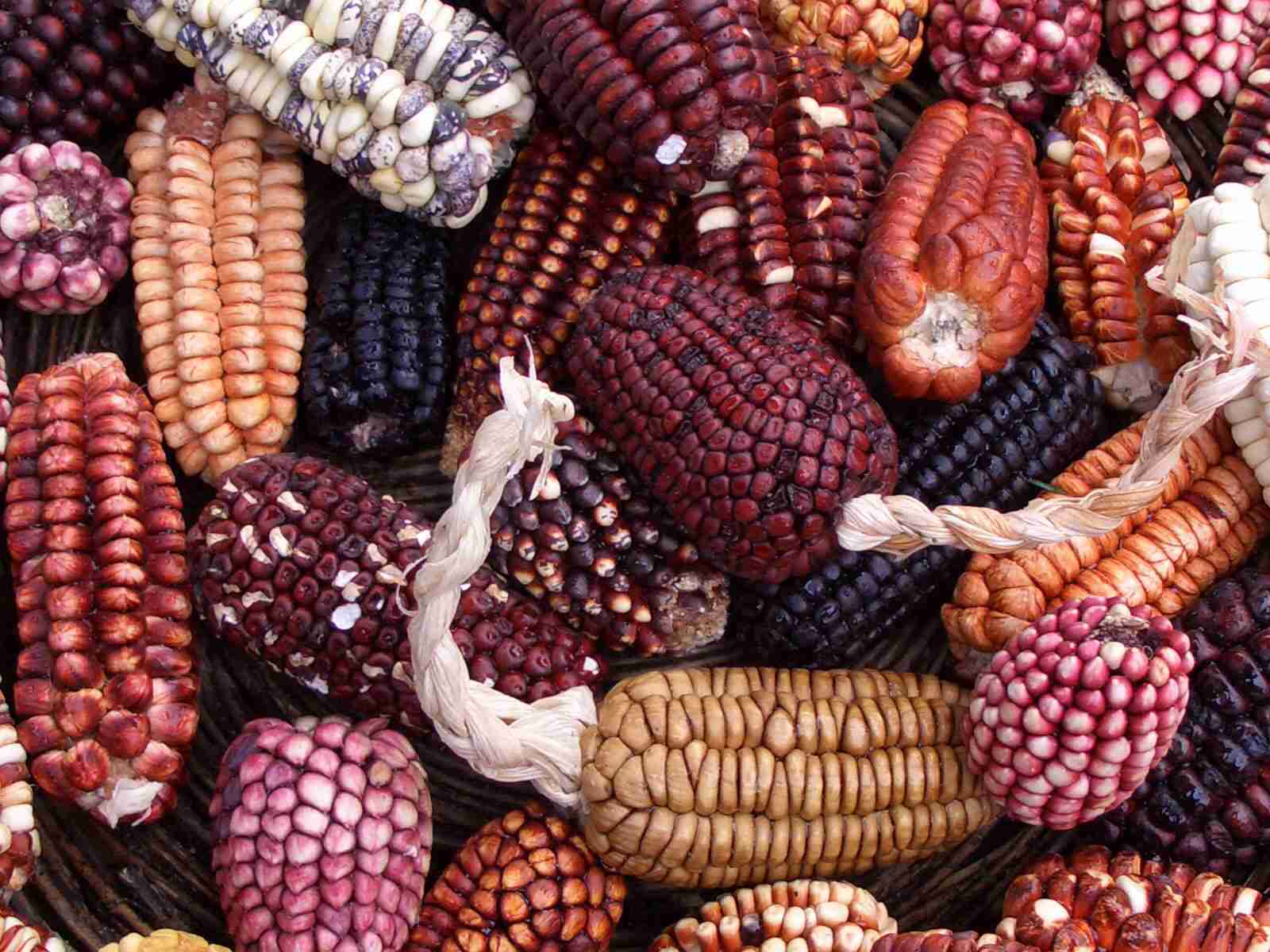
The Journey of Maize: Understanding the Crops Varietals and Growing Conditions
Maize, one of the world’s most versatile crops, flourishes across diverse terrains and climates, showcasing a range of varietals that are as rich in complexity as they are in flavor. From sweet corn to field maize, each variant has unique characteristics that determine its suitability for various culinary applications. The adaptability of maize is reflected in its growing conditions; it thrives in well-drained, loamy soils with a pH between 5.8 and 7.0. Additionally, maize requires adequate sunlight and consistent moisture for optimal growth, making it vital for farmers to tailor their cultivation practices according to regional climates. Key factors influencing maize cultivation include:
- Soil Quality: Nutrient-rich soils support healthy plant growth.
- Climate: Warm temperatures are favorable for maize, with ideal growth occurring between 60°F to 95°F.
- Water Availability: Adequate rainfall or irrigation is crucial to sustain development.
- Pest Management: Effective control of pests and diseases ensures high yields.
As maize moves from field to flour, understanding the nuances of each varietal becomes essential for achieving the desired end product. Milling plays a critical role in this transition; it transforms whole kernels into fine flour, unlocking a treasure trove of culinary possibilities. Different milling techniques, such as stone grinding or roller milling, yield various textures and flavors, catering to diverse consumer needs. Here’s a brief comparison of common milling types:
| Milling Type | Texture | Flavor Profile |
|---|---|---|
| Stone Grinding | Coarse to Medium | Earthy, Rich |
| Roller Milling | Fine | Light, Subtle |
| Hammer Milling | Variable | Impactful, Nutty |
Navigating the journey of maize from its cultivation to the milling process not only emphasizes the crop’s significance in our diets but also highlights the artisanal approach that flour producers take to create quality flour. Each step contributes to the tapestry of flavors found in the final product, bridging tradition with modernity in the world of food.
The Milling Process Unveiled: Techniques and Equipment That Shape Quality Flour
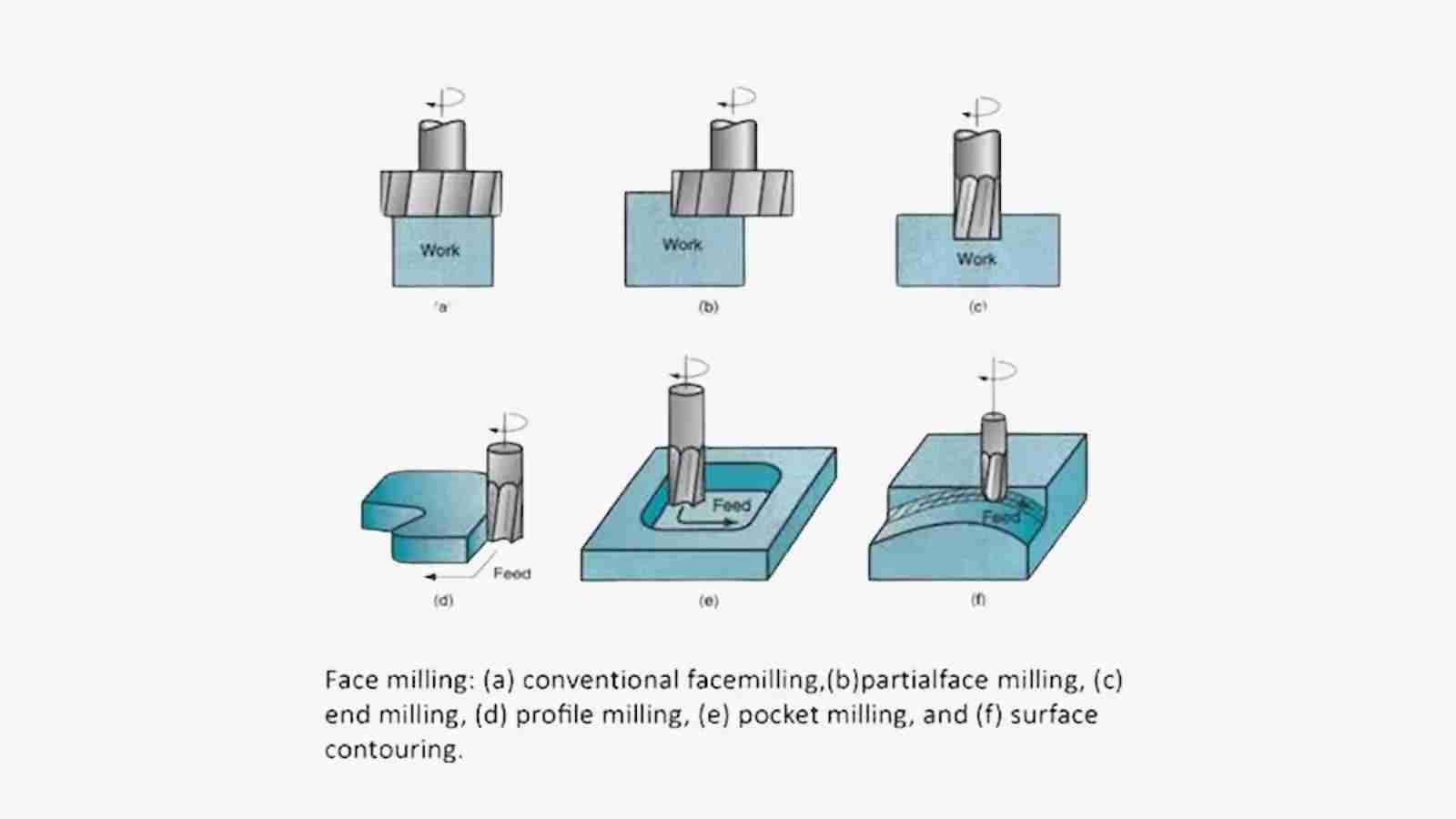
The milling of maize is an intricate dance between tradition and technology, yielding flour that is not only versatile but also rich in flavor and nutrition. Central to this process are various techniques, each tailored to preserve the quality of the grain while transforming it into a fine powder. Key methodologies include:
- Dry Milling: The most common technique for maize, where the grain is ground without the addition of water, retaining its nutrients and flavor.
- Wet Milling: A specialized method where maize is soaked to separate starch, often used for producing corn syrup and other derivatives.
- Stone Grinding: An age-old method that emphasizes craftsmanship, resulting in flour with unique textures and flavors.
- Roller Milling: A modern technique utilizing sets of rollers to refine the flour, ensuring uniform particle size.
Complementing these techniques are various pieces of equipment essential for achieving high-quality milling results. The heart of any milling facility usually includes:
| Equipment | Function |
|---|---|
| Hammer Mill | Crushes maize kernels into a fine powder, ideal for dry milling. |
| Stoner | Removes impurities such as stones and debris before the milling process. |
| Separator | Classifies and separates flour based on particle sizes to ensure uniformity. |
Together, these techniques and tools not only elevate the quality of maize flour but also preserve the rich heritage of milling, tying together generations of farmers and millers in a continuous thread of craftsmanship.

Nutritional Benefits of Maize Flour: A Deep Dive into Its Health Contributions
Maize flour, derived from grinding dried maize kernels, is highly revered for its diverse nutritional profile. One of its standout features is the presence of complex carbohydrates, which provide a steady source of energy while also supporting digestive health. This flour is a rich source of essential nutrients, including:
- Fiber: Aiding in digestion and promoting gut health.
- Vitamins: Particularly B vitamins, which play a crucial role in energy metabolism.
- Minerals: Such as magnesium and phosphorus, important for bone health and muscle function.
In addition to its nutritional components, maize flour is naturally gluten-free, making it an excellent alternative for individuals with celiac disease or gluten sensitivity. Furthermore, the flour contains antioxidants that combat free radicals in the body, promoting overall well-being. The following table summarizes the key nutrients found in maize flour:
| Nutrient | Benefits |
|---|---|
| Fiber | Supports digestive health and regulates blood sugar. |
| B Vitamins | Essential for energy metabolism. |
| Magnesium | Promotes muscle function and nerve health. |
| Antioxidants | Help reduce oxidative stress in the body. |

Sustainable Practices in Milling: Recommendations for Eco-Friendly Production
Incorporating sustainable practices in milling not only augments the quality of flour but also contributes positively to the environment. One essential recommendation for eco-friendly production is to optimize energy efficiency throughout the milling process. By utilizing renewable energy sources, such as solar or wind, mill operators can significantly reduce their carbon footprint. This can be complemented by investing in high-efficiency machinery designed to consume less power, thereby minimizing electricity costs and environmental impacts. Additional measures include implementing proper maintenance schedules for equipment to prevent energy losses and ensure longevity.
Another crucial aspect of sustainable milling involves the management of by-products and waste. Milling operations can adopt the following strategies:
- Recycling: Reprocess and repurpose co-products like bran and germ for animal feed or other food products.
- Composting: Incorporate organic waste materials into compost to enrich soil health.
- Water Conservation: Implement systems for collecting and recycling water used in the milling process, minimizing overall consumption.
Furthermore, creating partnerships with local farmers can promote sustainable cultivation of maize, ensuring that the grains used are grown with eco-friendly farming practices. These collaborative efforts not only bolster the local economy but also reinforce the commitment to sustainability across the supply chain.
In Conclusion
the journey from field to flour encapsulates a rich tapestry of tradition, technology, and innovation. The art of maize milling, steeped in heritage, not only transforms a simple grain into a versatile ingredient but also connects us to a myriad of cultures and culinary practices. As we’ve explored, the meticulous processes involved—ranging from harvesting to grinding—are pivotal in ensuring that every batch of flour tells a story of sustainability and craftsmanship. Whether destined for a humble tortilla or a gourmet cornbread, maize flour serves as a testament to the ingenuity of farmers and millers alike. As we continue to embrace and celebrate this age-old art, let us appreciate the remarkable journey of maize and the countless ways it enriches our plates and our lives. With every sprinkle of flour, we are reminded of the hands that meticulously crafted it, inviting us to savor not just food, but history itself.




