
From Field to Flavor: The Art and Science of Corn Processing
Corn, often heralded as one of humanity’s most versatile crops, holds a fascinating journey that transforms its simple ear into a plethora of flavors and textures that grace our tables. From the sun-kissed fields where it thrives, to the intricate processes that enhance its myriad qualities, corn processing is a captivating blend of art and science. Each kernel contains the promise of culinary delights, whether it be in the form of sweet corn on the cob, hearty tortilla chips, or the fine cornstarch that binds our favorite recipes. In this article, we will delve deep into the multifaceted world of corn processing, exploring the methods that bring out its potential, the innovations shaping the industry, and the age-old traditions that celebrate this staple. Join us as we uncover how the humble corn kernel evolves – from its agricultural origins to the diverse flavors we savor today.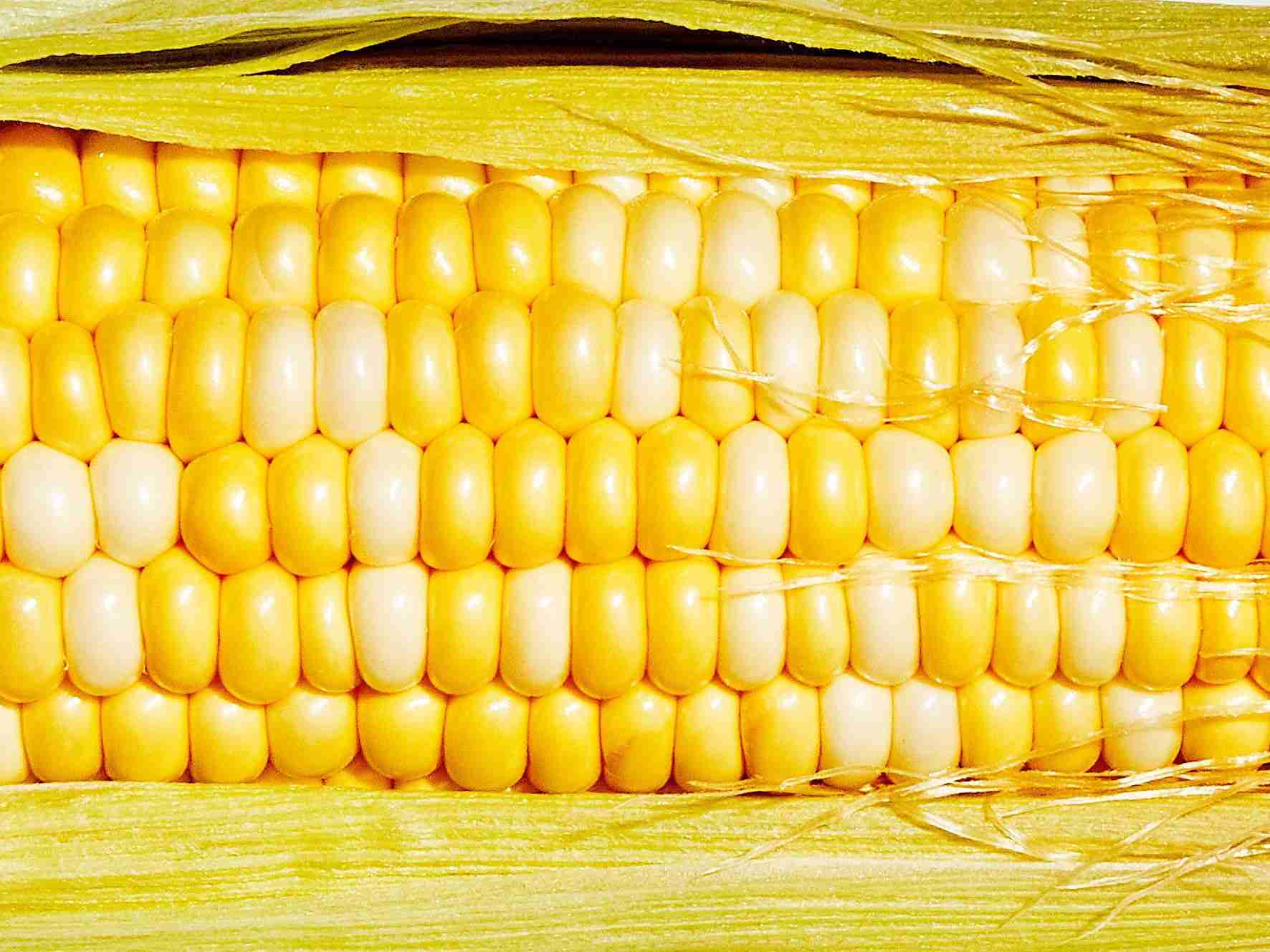
Exploring the Journey of Corn: From Farm to Table
As the sun rises over the golden fields, the journey begins. Farmers diligently cultivate corn with a blend of tradition and innovation, ensuring that each kernel embodies the essence of agronomy. Once harvested, the corn embarks on an adventure across various processing stages, each contributing to its transformation. The art and science of corn processing involve multiple methods, including:
- Dry milling: A method where the kernels are ground into flour, perfect for baking.
- Wet milling: Extracting starches, sweeteners, and oils for a variety of food products.
- Nixtamalization: The process of soaking corn in an alkaline solution, enhancing flavor and nutritional value, often used for tortillas.
This intricate process enhances not only the flavor profile but also the nutritional content and versatility of corn. The transformation doesn’t stop at processing; it journeys into the world of culinary creativity. Chefs and home cooks alike explore endless possibilities through corn-based products, from succulent salsas to tantalizing polentas. Here’s a glimpse into some popular corn products:
| Corn Product | Usage | Flavor Profile |
|---|---|---|
| Popcorn | Snacks | Buttery, Salty |
| Cornmeal | Baking, Coating | Earthy, Nutty |
| Corn Syrup | Sweets, Sauces | Sweet, Caramel |
| Polenta | Side Dishes | Creamy, Savory |
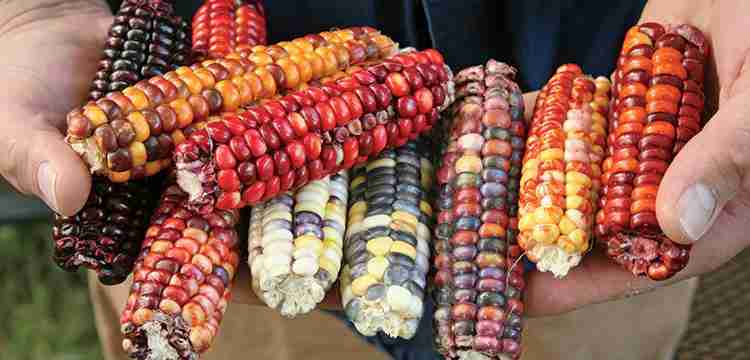
Unlocking the Secrets of Corn Varieties: Choosing the Right Type for Processing
The rich tapestry of corn varieties available today holds the key to enhancing the flavor and quality of processed products. Selecting the right type of corn can significantly affect everything from texture to taste in the final output. Consider these factors when deciding which corn variety to use for processing:
- Starch Content: High-starch varieties, like Dent corn, are optimal for producing corn syrup and other sweeteners.
- Kernel Color: Yellow dent is commonly used for cornmeal, while white corn offers a milder flavor for tortillas.
- Moisture Levels: Varieties with lower moisture are ideal for popcorn, providing the perfect pop and crunch.
Understanding the specific applications of different corn varieties ensures that processors can optimize their products while meeting consumer demands. For a clearer comparison, here’s a concise table highlighting popular corn types and their best uses:
| Corn Variety | Best Use |
|---|---|
| Dent Corn | Cornmeal and animal feed |
| Sweet Corn | Canned and frozen products |
| Flint Corn | Polenta and hominy |
| Popcorn | Snack foods |
By delving into the nuances of corn varieties, processors can not only elevate the taste and texture of their culinary creations but also ensure sustainable practices in sourcing and production. Each type of corn tells a story that intertwines nature’s bounty with human ingenuity, allowing industry professionals to craft innovative products that resonate with consumers’ palettes.

The Chemistry Behind Corn Processing: Techniques That Transform Flavor
The journey of corn from the field to your plate is an intricate dance of science and artistry, heavily influenced by chemistry. At the heart of this transformation are various processing techniques that not only enhance flavor but also alter the texture and nutritional profile of corn. through methods such as nixtamalization, which involves soaking corn in an alkaline solution, essential amino acids and niacin are unlocked, boosting both the taste and health benefits. This technique, rooted in ancient practices, contributes to the savory depth found in tortillas and tamales.
In addition to nixtamalization, fermentation plays a crucial role in enhancing the flavor profile of corn products. By introducing specific strains of bacteria or yeast, the sugars in corn can be converted into acids, gases, and alcohols, resulting in a diverse array of flavors and aromas. Other processes, such as dry milling and wet milling, are employed to achieve varying textures and tastes. Here’s a brief comparison of how these methods influence the final product:
| Processing Technique | Flavor Impact | Texture Outcome |
|---|---|---|
| Dry Milling | Nutty and sweet | Coarse, grainy |
| Wet Milling | Brighter, fresher | Fine, smooth |
| Nixtamalization | Earthy, savory | Soft, pliable |
| Fermentation | Complex, tangy | Varies widely |

Sustainable Practices in Corn Processing: Balancing Flavor and Environmental Impact
In the realm of corn processing, the quest for exquisite flavor does not exist in isolation from environmental considerations. Producers and processors have begun to embrace innovative techniques that enhance the taste of corn while minimizing ecological footprints. By utilizing crop rotation and cover cropping strategies, farmers not only enrich the soils but also promote biodiversity, resulting in healthier plants that yield richer flavors. Furthermore, employing organic farming methods mitigates the reliance on synthetic fertilizers and pesticides, ensuring that the corn is both flavorful and sustainably grown.
Moreover, the processing phase itself can adopt sustainable practices that harmonize with a commitment to quality. Many processing facilities are now implementing energy-efficient technologies, such as solar panels and biomass energy systems, to reduce reliance on fossil fuels. Water conservation techniques, including recycling and reusing water within processing plants and investing in efficient irrigation systems, also play a crucial role. These practices not only enhance the overall quality of the corn products but also align with an increasingly eco-conscious market, inspiring consumer confidence and loyalty. Below is a brief overview of common sustainable practices in corn processing:
| Sustainable Practice | Description |
|---|---|
| Energy Efficiency | Utilizing renewable energy sources to power processing plants. |
| Water Conservation | Recycling water used in processing and minimizing waste. |
| Waste Management | Implementing composting and recycling programs to manage by-products. |
In Retrospect
As we draw the curtain on our exploration of corn processing, it becomes clear that this humble grain, often overlooked, is a remarkable tapestry woven from the threads of tradition, innovation, and sustainability. From the expansive fields where corn is cultivated to the intricate processes that transform it into myriad flavors and products, the journey of corn is a masterclass in balancing art with science.
The techniques developed over generations coexist with modern technologies, showcasing humanity’s ingenuity in harnessing the potential of this versatile crop. Whether it’s the rustic charm of a homemade cornbread or the sophisticated notes of a craft whiskey, each bite of corn-infused cuisine carries with it a story of hard work, creativity, and a deep connection to the earth.
As consumers, our understanding of the corn processing journey enriches our culinary experiences, elevating our appreciation for what lies behind the flavors we enjoy. With ongoing research and development, there is much more on the horizon for this staple ingredient, promising not just a continuation of tradition, but a future filled with exciting innovations. So, the next time you savor a dish that celebrates the sweet, golden kernel, take a moment to reflect on its remarkable journey—from field to flavor.




