From Field to Finish: The Art and Science of Corn Processing
Corn: a humble yet transformative crop that has woven its way into the very fabric of our diets and industries. Born from sun-kissed fields and nurtured by the elements, this golden grain is more than just a staple food; it is a testament to agricultural ingenuity and culinary adaptation. Across our vast landscapes, the journey of corn unfolds, each kernel holding the promise of sustenance, flavor, and innovation. In “From Field to Finish: The Art and Science of Corn Processing,” we delve into the intricate processes that elevate corn from its raw state to the myriad forms we cherish—be it sweet corn on the cob, cornmeal for baking, or biofuels powering our vehicles. Join us as we explore the delicate balance of tradition and technology, unveiling the artistry behind corn processing and the scientific principles that ensure every bite is a party of this versatile crop.
Understanding the Corn Lifecycle: Cultivation to Harvest
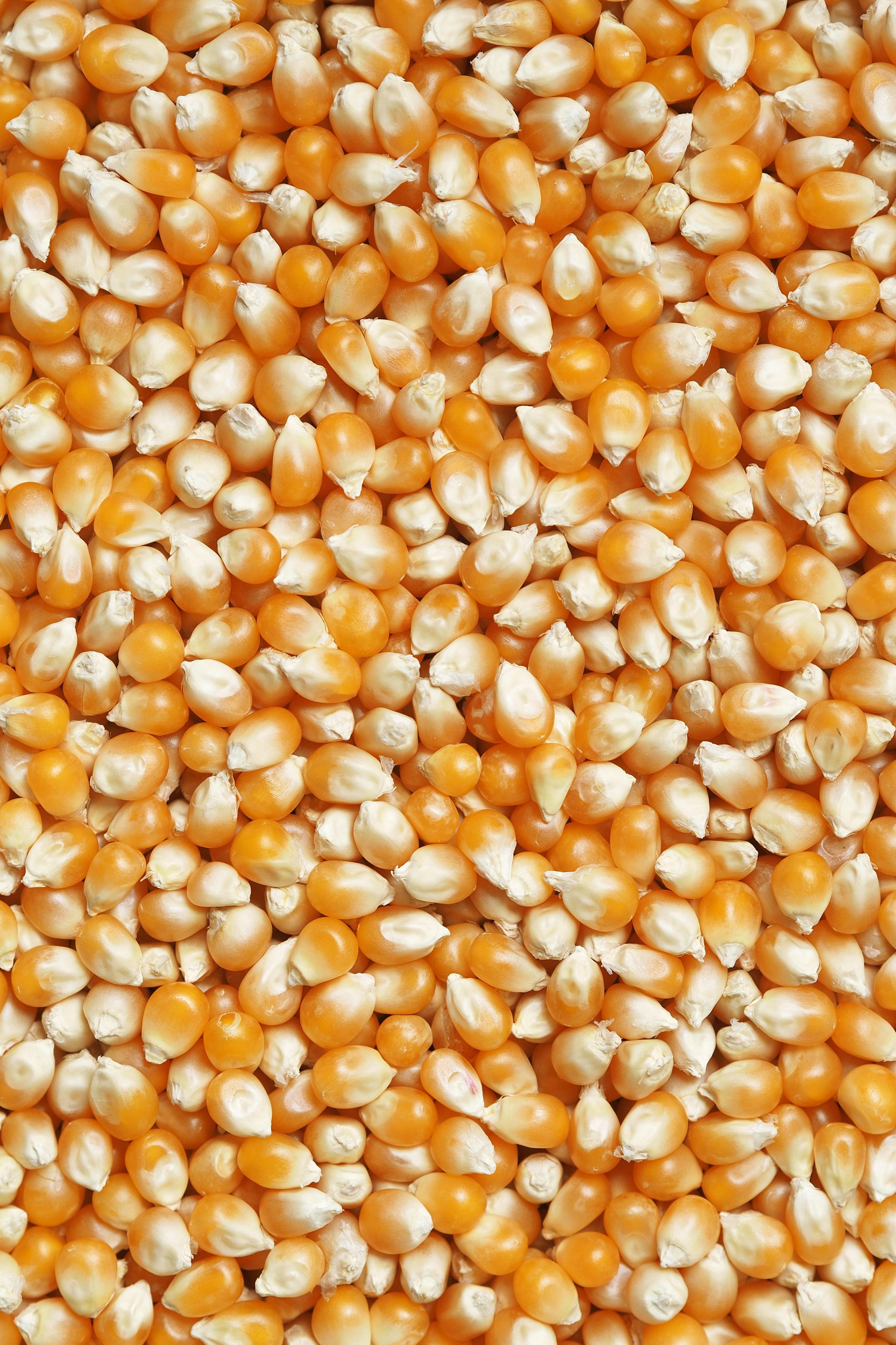
The journey of corn from a tiny seed to a majestic, towering plant is a remarkable process that combines both nature’s artistry and scientific precision. It begins with the selection of high-quality seeds, which are sown into well-prepared soil. As the seeds germinate, they require a precise balance of sunlight, water, and nutrients to develop robust stalks and healthy leaves. throughout the growth cycle,farmers monitor thier crops closely,paying attention to factors like weather patterns,soil health,and pest control. This meticulous care ensures that the corn plants reach their peak maturity before the all-critically important harvest season.as harvest approaches, typically in late summer or early fall, the corn undergoes meaningful transformations. The ears ripen, and farmers use advanced machinery to efficiently gather the crop, ensuring minimal loss during the process. After harvesting, the corn enters a new phase of its journey as it goes through processing—whether for consumption, animal feed, or industrial products. In this stage, the corn is cleaned, sorted, and sometimes milled or crushed. Its interesting to see how this single crop can be transformed into a variety of products. here is a concise overview of how corn can be utilized:
| Product | Use |
|---|---|
| Cornmeal | Baking and cooking |
| High Fructose Corn Syrup | Sweetener in food and beverages |
| Corn Oil | Cooking and frying |
| Animal Feed | Nourishing livestock |
| Biofuel (Ethanol) | Renewable energy source |

Innovative Milling Techniques: Transforming Corn into Quality Products
in recent years,the milling industry has undergone a remarkable change,harnessing advanced technologies that push the boundaries of conventional practices. The integration of high-efficiency roller mills, advanced grinding techniques, and precision sifting processes has substantially enhanced the quality of corn products.This innovative approach not only maximizes the extraction of valuable components but also minimizes waste. Key techniques include:
- Dry Milling: This method effectively separates the kernel into its constituent parts, producing fine corn flour and breakage products.
- Wet milling: By soaking the corn, manufacturers can extract starches, proteins, and oils, unlocking a wealth of food and industrial applications.
- Stone Milling: A traditional technique that preserves nutrients by grinding kernels between stones, yielding a coarser texture ideal for artisanal products.
Moreover, innovative milling techniques have lead to enhanced product offerings that cater to diverse consumer preferences. From gluten-free options to sustainably sourced ingredients, the versatility of corn processing is evident in a variety of applications. For instance, utilizing precision milling technologies allows for the creation of value-added products, which include:
| Product Type | Submission |
|---|---|
| Cornmeal | Baking and cooking |
| Hominy | Traditional dishes and snacks |
| Starch | Thickening agents in food |
| Biofuels | Sustainable energy sources |
Nutritional Insights: The Health Benefits of Processed Corn
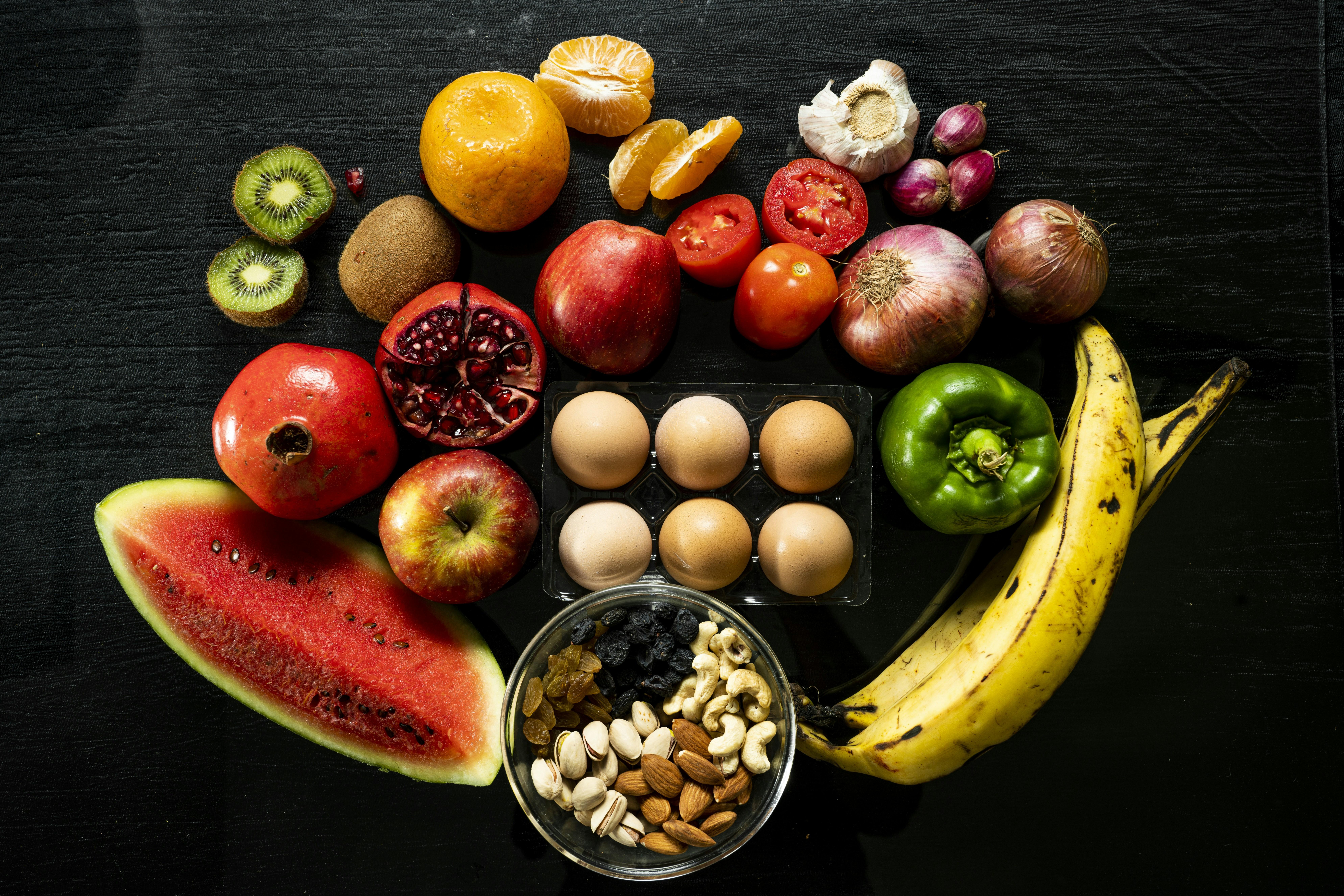
Processed corn, frequently enough misunderstood, boasts an impressive array of health benefits. Rich in essential nutrients, it serves as a significant source of dietary fiber, which aids digestion and helps to maintain healthy blood sugar levels. Additionally, the processing methods used, such as nixtamalization, enhance the availability of nutrients such as vitamin B3 (niacin), improving the overall nutritional profile. Moreover, corn-derived products, such as corn oil and cornmeal, contribute critically important fatty acids and antioxidants, promoting heart health and reducing inflammation.
Alongside its nutrient density, processed corn can be a versatile component of a balanced diet. It offers the following advantages:
- Rich in antioxidants: Helps combat oxidative stress.
- Supports eye health: Contains lutein and zeaxanthin, essential for vision.
- Heart-healthy: Low in saturated fat, contributes to cardiovascular wellness.
Incorporating processed corn products into meals can contribute significantly to overall nutrient intake while offering a burst of flavor.From tortillas to cornbread, these products reflect the artistry of corn processing while also providing health-conscious options for consumers seeking a nutritious and wholesome diet.

Sustainability in Corn Processing: Balancing Efficiency and Environment
The journey of corn from the field to processing facilities presents a unique chance to implement sustainable practices that not only drive efficiency but also protect our planet. innovations in technology are transforming how corn is processed, focusing on reducing waste and energy consumption. For instance, utilizing biorefinery techniques allows processors to extract multiple products from a single corn kernel, optimizing resource use and minimizing by-products.
Moreover, the integration of renewable energy sources into corn processing operations offers a path towards a greener future. By investing in solar panels or biomass energy systems, facilities can lower their carbon footprint while also cutting energy costs. Here are some effective sustainability practices currently employed in the industry:
- Water Conservation: Implementing closed-loop water systems that recycle water used in processing.
- waste reduction: Converting corn husks and cobs into animal feed or biofuels,keeping waste to a minimum.
- Soil Health: Supporting regenerative agriculture practices to improve soil quality on corn farms.
| Sustainable Practices | Impact |
|---|---|
| Water Recycling | Reduces overall water usage by up to 30% |
| Waste to Energy | Generates renewable energy from plant waste, powering facilities |
| Organic Ingredients | Promotes biodiversity and reduces chemical inputs |
The Conclusion
the journey of corn from field to finish is a remarkable blend of artistry and precision, woven together through the ages by the hands of farmers, scientists, and artisans alike. This humble grain, often overlooked in its raw form, transforms into a myriad of products that shape our culinary landscapes and fuel industries around the globe. Understanding the intricate processes involved in corn processing not only deepens our recognition for this staple but also highlights the innovation and dedication required to bring it to our tables. As we continue to explore and evolve methods of corn processing, we celebrate the rich heritage and forward-thinking approaches that ensure this golden crop remains a vital part of our food systems and cultures. From the fertile fields to the final product, the story of corn is one of resilience, ingenuity, and the ever-present connection between nature and human ingenuity.