
In the quiet hum of the early morning hours, a symphony of machinery springs to life, transforming humble grains into the beloved breakfast staple known as cereal. From the golden fields where the crops are meticulously cultivated to the bustling processing plants where they are turned into crunchy delights, the journey of cereal is a fascinating and intricate one. Join us as we delve into the world of cereal processing, exploring the meticulous artistry and science behind turning simple grains into the breakfast bliss we all know and love.
Overview of the Cereal Processing Industry
The cereal processing industry plays a crucial role in bringing our favorite breakfast foods from the fields to our bowls. It involves a complex and intricate process that transforms raw grains into the delicious cereals we love to start our day with. Let’s take a closer look at the various steps involved in cereal processing:
- Harvesting: The first step in cereal processing is harvesting the crops when they are at their peak ripeness. This ensures the grains are of the highest quality for processing.
- Cleaning: Once the grains are harvested, they go through a cleaning process to remove any impurities such as dirt, stones, and other foreign materials.
- Milling: The cleaned grains are then milled to break them down into smaller pieces for further processing.
| Step | Description |
|---|---|
| Grinding | Grains are ground into flour for cereal production. |
| Flaking | Grains are flattened into flakes for products like oatmeal. |
From grinding to flaking, the cereal processing industry is a fascinating world of innovation and technology that brings us our favorite breakfast options every day.
From Farm to Silo: The Harvesting and Storage Process
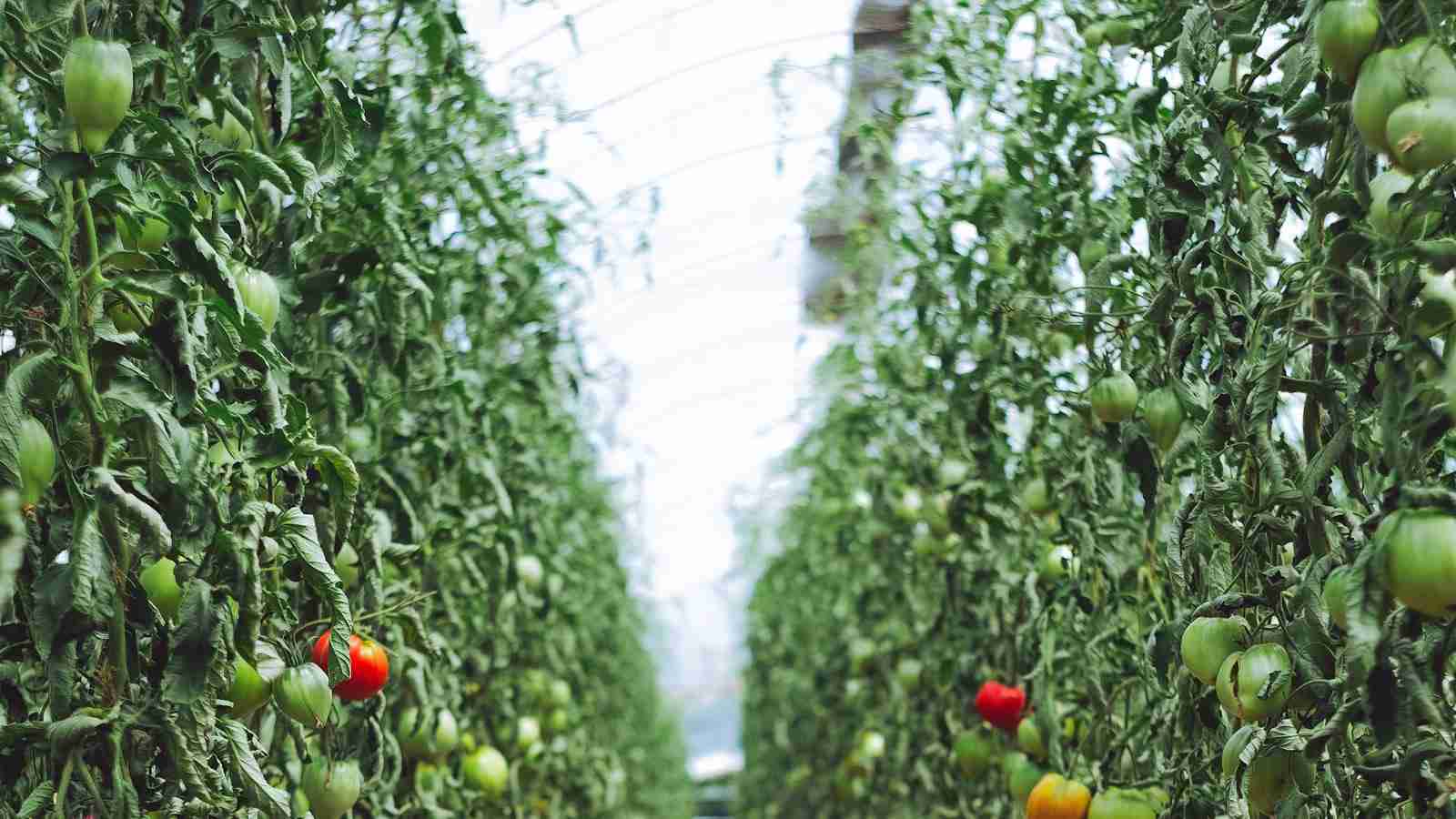
After the lush fields of wheat, barley, and oats have been meticulously cultivated and carefully tended to, the time comes for the bountiful harvest that will eventually find its way into our breakfast bowls. The harvesting process involves the use of modern machinery such as combine harvesters, which efficiently cut and gather the cereal crops, separating the grains from the stalks in one swift motion.
Once the grains have been harvested, they are transported to a nearby silo for storage. These towering structures are designed to protect the grains from the elements and pests, ensuring they remain fresh and dry until they are ready to be processed. The grains are carefully stored in the silos, waiting to be transformed into the delicious cereals we enjoy every morning. **From field to bowl**, the journey of cereal processing is a fascinating blend of nature and technology.
The Milling Process: Transforming Grains into Cereals
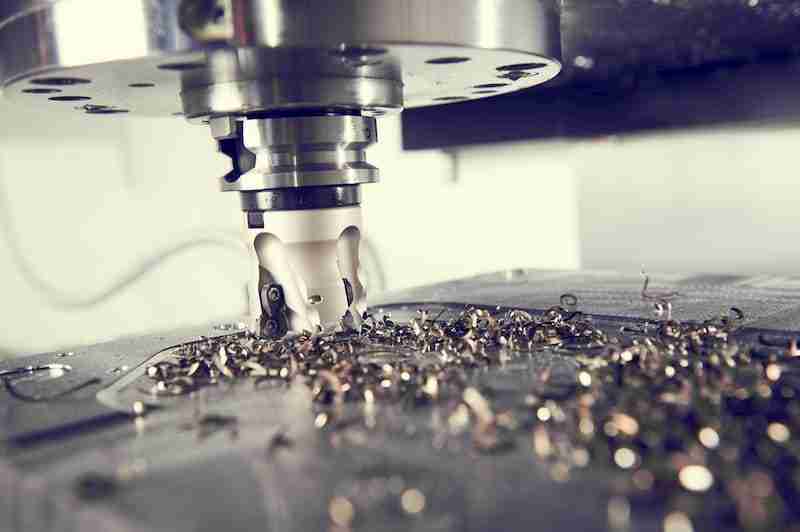
Once the grains are harvested from the fields, they undergo a series of intricate processes to transform them into the familiar cereals we enjoy every morning. The milling process is a crucial step in this journey, where the grains are finely ground to create the base for various cereal products.
The milling process involves several key stages, including cleaning, conditioning, milling, and packaging. During milling, the grains are grounded into different textures to create a variety of cereals, from fine flour to chunky granola. Each step requires precision and expertise to ensure the grains are processed efficiently and maintain their nutritional value. With modern technology and traditional techniques working hand in hand, the art of cereal processing continues to evolve and adapt to meet the demands of consumers around the world.

Quality Control in Cereal Processing: Ensuring Nutritional Value
In the world of cereal processing, quality control plays a critical role in ensuring that the end product maintains its nutritional value from the field to your bowl. From selecting the highest quality grains to implementing strict processing standards, every step of the journey is carefully monitored to deliver a product that is both delicious and nutritious.
By employing state-of-the-art technology and rigorous testing procedures, cereal manufacturers can guarantee that their products meet the highest standards of quality and nutrition. This dedication to quality control not only ensures the consistency and safety of the final product but also helps to preserve the essential vitamins, minerals, and nutrients that make cereals a vital part of a balanced diet. With each spoonful, consumers can trust that they are getting the best possible nutrition to start their day off right.
The Conclusion
In conclusion, the journey from field to bowl is a fascinating process that requires careful attention to detail and a deep understanding of the intricacies of cereal processing. From the farmers who cultivate the grains to the manufacturers who transform them into our favorite breakfast foods, every step of the way plays a crucial role in ensuring the delicious and nutritious cereals we enjoy each day. Next time you pour yourself a bowl of cereal, take a moment to appreciate the artistry and expertise that goes into bringing that simple yet satisfying meal to your table. Happy breakfasting!




