
In the rolling fields where golden maize sways under the warm embrace of the sun, a journey begins—one that transforms humble kernels into the lifeblood of countless culinary creations. The process of maize milling embodies a delicate interplay of art and science, where tradition mingles with innovation to unlock the full potential of this versatile grain. From the moment the ears are harvested, each step is meticulously orchestrated, revealing the hidden complexities behind something as seemingly simple as flour. In this exploration of “From Farm to Flour,” we delve into the intricate pathways of maize milling, illuminating the techniques, technologies, and expert craftsmanship that elevate this ancient staple into a modern kitchen marvel. Join us as we uncover the richness of flavor, texture, and culture that flour derived from maize brings to our tables.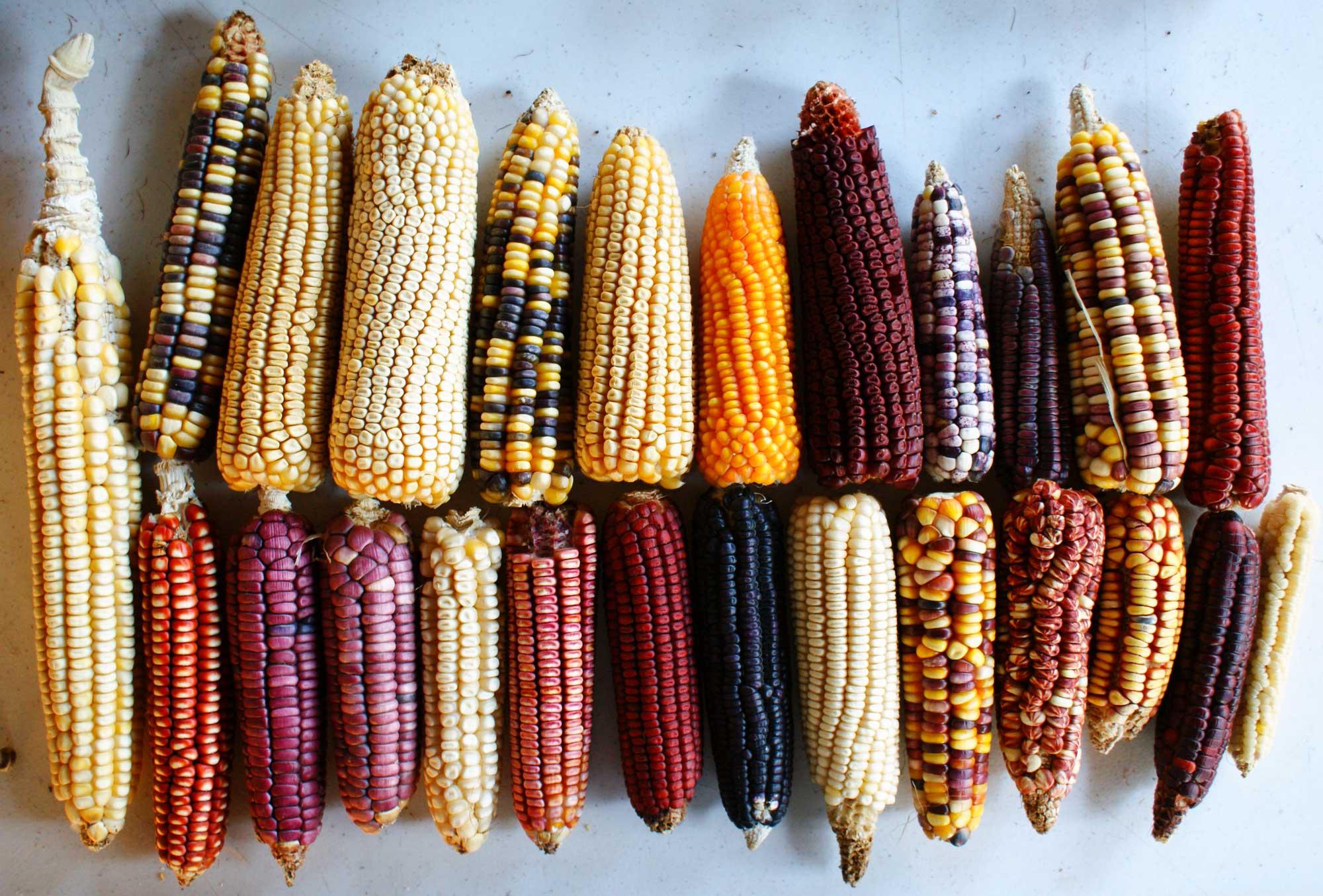
Exploring the Journey: Understanding Maize from the Field to the Mill
The journey of maize from the lush green fields to the bustling mills is a tapestry woven with both art and science. At the heart of this journey lies the cultivation process, where farmers carefully select the right varieties suited to their climate and soil conditions. Maize thrives in warm, sunny climates, and its growth requires meticulous attention to hydration and nutrient management. As it flourishes, the golden kernels begin to signify more than just sustenance—they represent an ancient tradition of agricultural expertise. Key stages include:
- Soil Preparation: Ensuring the ground is primed for planting.
- Planting: Sowing seeds at optimal depths and intervals.
- Pest and Weed Management: Maintaining a healthy crop.
- Harvesting: Timing it just right for peak maturity.
Once harvested, the journey continues at the mill, where cutting-edge technology meets time-honored practices. The milling process transforms whole maize grains into flour, a staple ingredient across various cuisines. The key stages in milling include:
| Stage | Description |
|---|---|
| Cleaning | Removing impurities and foreign materials. |
| Drying | Achieving the ideal moisture content for milling. |
| Grinding | Transforming grains into flour through mechanical processes. |
| Packaging | Ready for distribution to homes and businesses. |
Each stage not only reflects technological advancement but also visualizes the respect for tradition that accompanies maize milling. Through this amalgamation of ancient wisdom and modern strategies, maize flour becomes a crucial element in the culinary world, bridging generations and cultures.

The Milling Process Unveiled: Techniques and Technologies Behind Quality Flour
The journey from maize to flour incorporates a blend of age-old traditions and cutting-edge innovations. At the heart of this transformation lies a series of intricate steps that ensure the end product meets quality standards. First, the grains are carefully selected, cleaned, and conditioned. This initial stage is crucial as it removes impurities and enhances the kernels’ moisture content, setting the foundation for optimal milling results. Following conditioning, various milling techniques come into play, such as:
- Stone Milling: An ancient method using stones that grinds grains without excessive heat, preserving vital nutrients.
- Impact Milling: Utilizes high-speed blades that pulverize grains, ideal for creating fine flour quickly.
- Roller Milling: A modern technique that employs cylindrical rollers to shear the grain, producing a more uniform particle size.
The milling process is complemented by advanced technology, ensuring consistency and efficiency. For instance, modern mills incorporate sifting machines and air classification systems to segregate flour based on particle size. These technologies empower millers to produce flours tailored for specific culinary uses, such as baking or cooking. Additionally, some mills now harness the power of data analytics to monitor production variables, allowing for real-time adjustments that enhance quality. A comparison of milling methods can also elucidate their unique benefits:
| Milling Method | Advantages | Disadvantages |
|---|---|---|
| Stone Milling | Retains nutrients, traditional flavors | Slower production rate |
| Impact Milling | Fast processing, fine flour | Potential nutrient loss due to heat |
| Roller Milling | Precise particle size, efficient | Less flavor from refinement |

Nutritional Benefits of Maize Flour: Enhancing Your Diet with Whole Grains
Maize flour, a versatile ingredient derived from finely ground corn, offers a plethora of nutritional benefits that make it a valuable addition to any diet. Rich in complex carbohydrates, it provides a steady source of energy, supporting overall vitality. Key nutrients found in maize flour include:
- Fiber: Promotes healthy digestion and helps maintain a feeling of fullness.
- Vitamins: A rich source of B vitamins, particularly thiamine, niacin, and folate, crucial for metabolism and cardiovascular health.
- Minerals: Contains essential minerals like magnesium, phosphorus, and zinc, contributing to bone health and immune function.
- Antioxidants: Packed with carotenoids such as lutein and zeaxanthin, which are important for eye health.
Incorporating maize flour into your meals not only enhances the overall nutrient profile but also promotes whole grain consumption. Whole grains are linked to numerous health benefits, including a reduced risk of chronic diseases and improved weight management. Adjusting your dietary habits to include maize flour can lead to:
| Health Benefit | Impact |
|---|---|
| Heart Health | Lower cholesterol levels, improved blood pressure |
| Weight Management | Sustained energy levels, reduced cravings |
| Increased Satiety | Helps control appetite, promotes healthy eating patterns |
Embracing maize flour in your culinary repertoire opens the door to a world of flavor while ensuring that your body receives the essential nutrients it craves. Whether used in traditional recipes or modern dishes, maize flour can enhance both the taste and health quotient of your meals.

Sustainable Practices in Maize Milling: Balancing Efficiency and Environmental Responsibility
As the global demand for maize flour intensifies, it becomes crucial for mills to implement sustainable practices that harmonize productivity with ecological stewardship. Efficient water usage, energy conservation, and waste reduction stand at the forefront of these initiatives. By investing in technologies such as solar energy systems and rainwater harvesting, milling operations can significantly lower their carbon footprint while maintaining output levels. Moreover, incorporating biomass energy solutions allows mills to harness by-products and residual raw material, transforming waste into valuable energy sources that power operations.
Partnerships with local farmers and agribusinesses foster a circular economy, enhancing both sustainability and quality. Implementing crop rotation and integrated pest management leads to healthier maize crops that are less reliant on chemical fertilizers and pesticides. Furthermore, mills can enhance sustainability by prioritizing packaging made from recycled materials and offering bulk purchasing options to reduce single-use plastic waste. Such measures not only fortify environmental goals but also resonate with increasingly eco-conscious consumers who seek products that align with their values.
In Conclusion
As we conclude our exploration of the intricate journey from farm to flour, we are reminded of the delicate balance between art and science that defines the process of maize milling. Each kernel holds the story of the land it was grown in, the care of those who nurtured it, and the technology that transforms it into a culinary staple. The rhythmic hum of milling machines resonates with tradition and innovation alike, creating a symphony of textures and flavors that pave the way for countless delicious recipes around the globe.
Understanding maize milling allows us to appreciate the complexities behind something as seemingly simple as flour. From the choice of seed to the grinding techniques, every step is a testament to human ingenuity and agricultural mastery. Thus, the next time you open a bag of freshly milled flour, take a moment to acknowledge the journey it undertook and the hands that made it possible. In a world that often rushes towards the next big thing, let us celebrate the age-old traditions and cutting-edge advancements that continue to shape our culinary experiences. The art of maize milling is not just a process—it’s a connection to our past, a gift to our present, and a promise for our future.




