
From Corn to Flour: The Art and Science of Maize Milling
In the heart of bustling kitchens and expansive agricultural landscapes, a transformation quietly unfolds: the metamorphosis of humble corn into versatile maize flour. This journey, blending art and science, traverses centuries and cultures, revealing not only a staple ingredient but also a rich history that intertwines with the very fabric of human civilization. From ancient civilizations that first recognized the value of maize to modern milling techniques that ensure consistency and quality, the process of converting corn into flour is a testament to human ingenuity and the relentless pursuit of perfection. This article will explore the intricate pathways of maize milling, highlighting the meticulous craftsmanship involved, the technological advancements that have shaped the industry, and the significance of maize flour in cuisines around the world. Join us as we uncover the fascinating story behind this everyday ingredient and appreciate the complex interplay of tradition and innovation that defines the art and science of maize milling.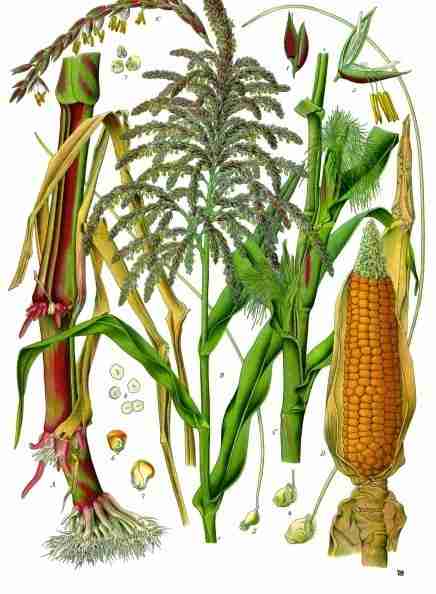
Exploring the Journey of Maize: From Field to Flour
The transformation of maize into flour is a fascinating blend of art and science, heavily influenced by the soil in which the crops are sown. Maize, with its vibrant golden hues, begins its journey in the fields, nurtured by sunlight and rainfall. Once harvested, the cobs are dried to reduce moisture content, crucial for long-term storage and milling. Milling itself is a highly specialized process, involving several meticulous steps to ensure the best quality flour. This includes:
- Cleaning – Removing debris and impurities to protect the milling equipment.
- Conditioning – Moistening the kernels to soften the bran layer.
- Grinding – Breaking down the kernels into flour through various grinding techniques.
The resulting flour can vary in texture, color, and flavor depending on the milling method and the specific variety of maize used. Notably, different types of finishes are achieved by adjusting the milling techniques, leading to diverse flour options from coarse grits to fine powder. To illustrate the different uses and characteristics of maize flour, consider the following table:
| Type of Maize Flour | Texture | Common Uses |
|---|---|---|
| Cornmeal | Coarse | Polenta, cornbread |
| Cornstarch | Fine | Thickening sauces, baking |
| Whole Grain Corn Flour | Medium | Pancakes, muffins |
As the milling process concludes, the aroma of freshly milled flour captivates the senses, bridging the gap between farm and kitchen. The journey of maize from the field transforms not merely into a staple ingredient but also into a profound representation of culture and culinary tradition. Beyond its nutritional benefits, maize flour plays an essential role in various global cuisines, embodying the timeless bond between agriculture and gastronomy.

Understanding the Milling Process: Techniques and Technologies
The milling process transforms corn into a versatile ingredient, utilizing a variety of techniques and technologies that enhance the quality and efficiency of flour production. Central to this process is the wet milling technique, which involves soaking the corn kernels in water to separate their components. This method not only yields high-quality starch and protein but also minimizes waste. Another popular method is dry milling, which grinds the corn grains directly to produce flour. Each technique has its unique advantages, influencing the texture, flavor, and nutritional value of the final product. Key technologies employed in the milling industry include modern grinding machines and advanced separation equipment, ensuring a consistent and reliable milling process.
Throughout the milling journey, several factors are crucial to achieving optimal results. These include:
- Kernels Quality: Selecting the right variety of corn ensures better flour quality.
- Milling Equipment: Utilizing state-of-the-art machinery enhances efficiency and consistency.
- Moisture Content: Maintaining appropriate moisture levels prevents spoilage and improves milling performance.
- Temperature Control: Regulating temperature during milling preserves flour properties.
To illustrate this multifaceted process, consider the following table which highlights the primary characteristics of each milling technique:
| Technique | Advantages | Applications |
|---|---|---|
| Wet Milling | High-quality starch, by-product utilization | Food processing, beverages |
| Dry Milling | Simplicity, lower water usage | Baking, tortillas |
Nutritional Benefits and Culinary Uses of Maize Flour
Maize flour is a nutritional powerhouse that provides essential nutrients, making it a staple in various diets around the world. Rich in complex carbohydrates, it serves as a great source of energy, important for maintaining active lifestyles. In addition to carbohydrates, maize flour contains significant amounts of fiber, which aids in digestion and promotes a healthy gut. It is also packed with vitamins and minerals, such as vitamin B6, magnesium, and iron, which play crucial roles in various bodily functions. For those following gluten-free diets, maize flour is an excellent alternative to traditional wheat flour, ensuring that dietary restrictions don’t compromise nutrition.
In the culinary realm, maize flour opens up a world of possibilities. Its unique flavor profile and texture make it a versatile ingredient in many dishes. From traditional recipes such as tortillas and polenta to baked goods like muffins and pancakes, maize flour can be adapted to suit both sweet and savory creations. Furthermore, it can be used as a thickening agent for soups and sauces, providing a delightful depth to flavors. Below is a simple comparison of common culinary uses of maize flour:
| Culinary Use | Description |
|---|---|
| Tortillas | Traditionally made using maize flour, used in various dishes. |
| Polenta | A creamy dish made by cooking maize flour with water, great as a side dish. |
| Baking | Can be incorporated into cakes and muffins for added flavor and texture. |
| Thickener | Works effectively to thicken sauces and soups, enhancing taste. |

Sustainability in Maize Milling: Practices for a Greener Future
As the global community increasingly prioritizes environmental stewardship, the maize milling industry is stepping up to implement sustainable practices that minimize waste and reduce carbon footprints. One innovative approach is the integration of renewable energy sources, such as solar and wind power, to fuel milling operations. By harnessing these natural resources, mills can operate more efficiently while decreasing reliance on fossil fuels. Additionally, optimizing water usage through advanced recycling systems helps to preserve precious water resources, while composting byproducts, like corn husks and bran, not only diverts waste from landfills but also enriches soil health.
Another aspect of sustainability in maize milling involves the adoption of eco-friendly supply chain practices. Collaboration with local farmers to source non-GMO corn encourages biodiversity and supports community economies. Mills are increasingly investing in state-of-the-art machinery that reduces energy consumption, ensuring that every kernel of corn is processed with minimal environmental impact. Furthermore, companies are now exploring initiatives to package their products using biodegradable materials, thereby lessening plastic waste in the ecosystem. These strategies pave the way for a future where maize milling not only meets the demands for quality flour but does so with a commitment to preserving our planet.
In Retrospect
As we conclude our exploration of “From Corn to Flour: The Art and Science of Maize Milling,” it becomes evident that this seemingly simple process is a confluence of tradition, innovation, and meticulous craftsmanship. From the golden fields where sun-kissed corn stalks sway gently in the breeze, to the rhythmic whir of grinding machines that transform kernels into fine flour, every step is steeped in history and technology.
Understanding the journey of maize reveals not only the importance of this versatile crop in our diets but also the intricate balance between agricultural practices and modern milling techniques. As we savor the end products of this transformation—be it a warm tortilla, a fluffy cornbread, or a hearty bowl of polenta—we should appreciate the artistry involved in bringing these staples to life.
Ultimately, maize milling is more than a mere industrial process; it is a harmonious blend of nature and nurture, simplicity and complexity, yielding a fundamental ingredient that nourishes cultures and kitchens around the globe. Whether you are a miller passionate about your craft or a home cook eager to engage with the flour, may you carry forward the knowledge of this journey, celebrating its nuances and its significance in our everyday lives. Thank you for joining us on this deep dive into the fascinating world of maize milling.




