
Introduction: From Cob to Table: The Art and Science of Corn Processing
In the tapestry of culinary history, few ingredients are as integral and adaptable as corn. This humble grain, with its vibrant hues and diverse varieties, has transcended its origins to become a staple across continents and cultures. From sweet corncobs sizzling on summer grills to rich cornbread pulled warm from the oven, corn’s journey from crop to cuisine is both an art and a science. The process of transforming corn into beloved food items involves an intricate blend of traditional techniques and modern innovations, each step revealing the rich tapestry of flavors and textures that define our culinary experience. In this article, we will delve into the fascinating world of corn processing, exploring the methods that bring this golden grain to our tables, the historical context behind its evolution, and the innovative practices that sustain its role in today’s food landscape. Join us as we uncover the vibrant stories woven into the kernels and the meticulous craftsmanship that makes corn a cherished ingredient around the globe.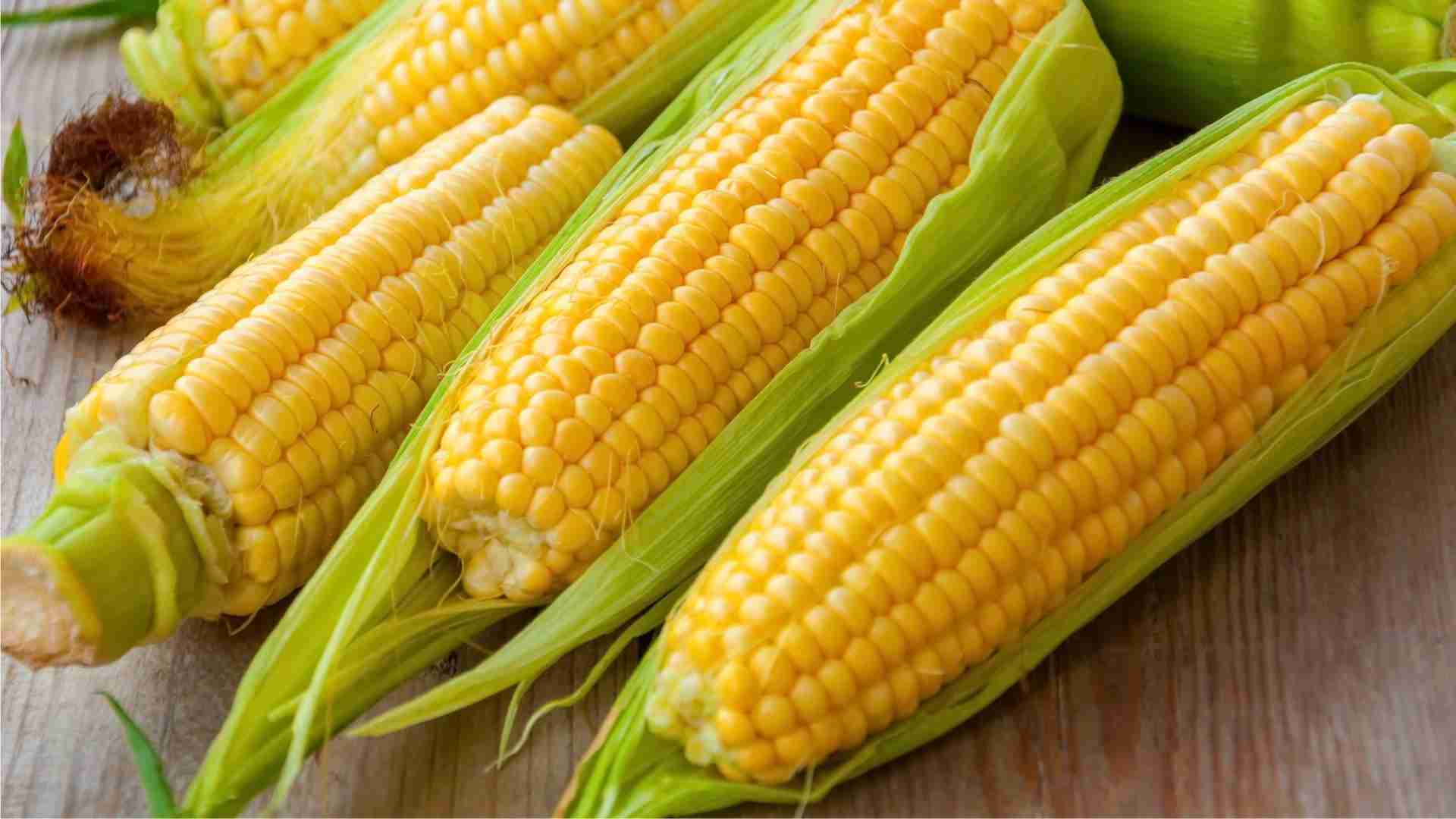
The Journey of Corn: From Field Harvest to the Kitchen
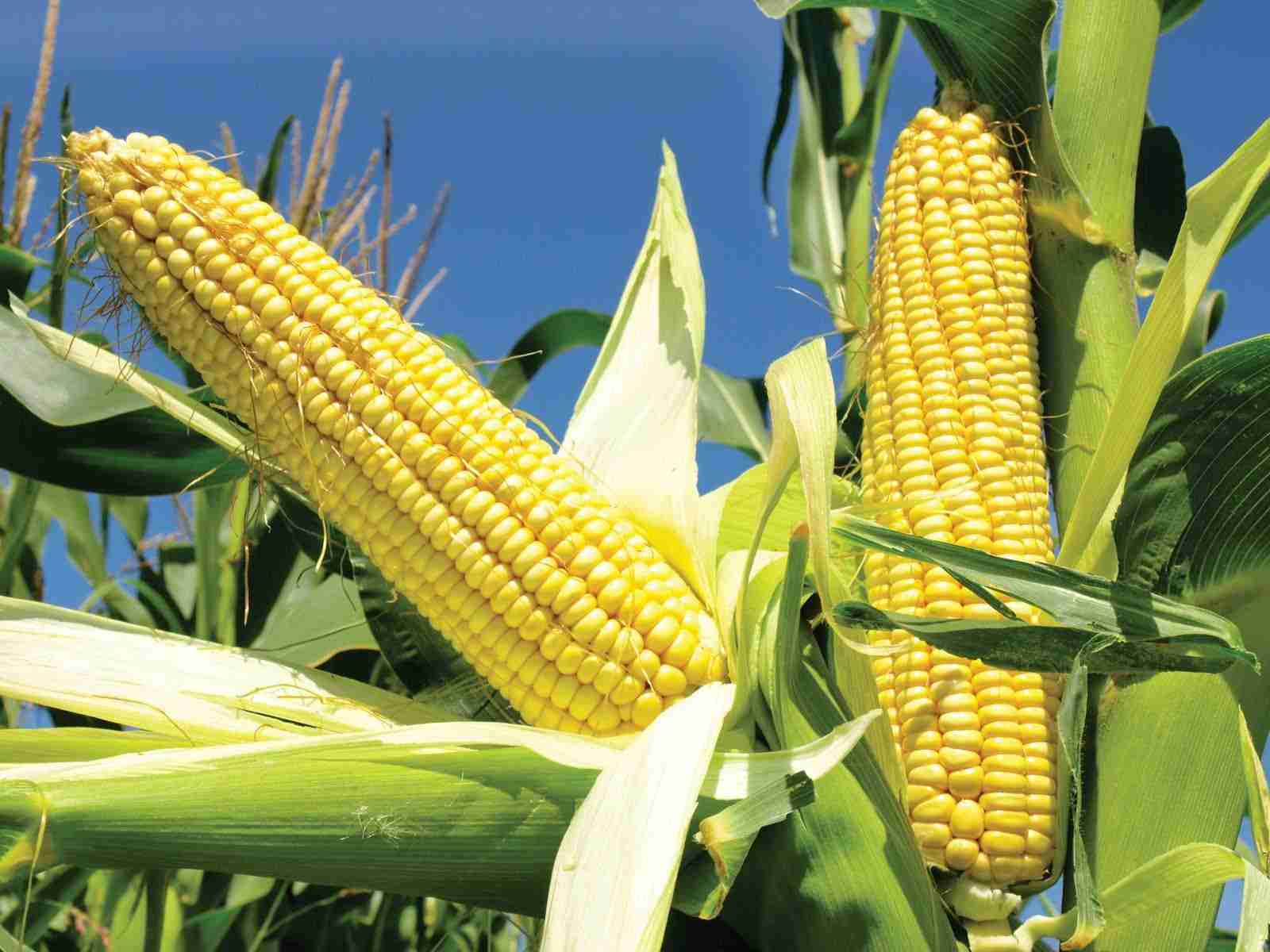
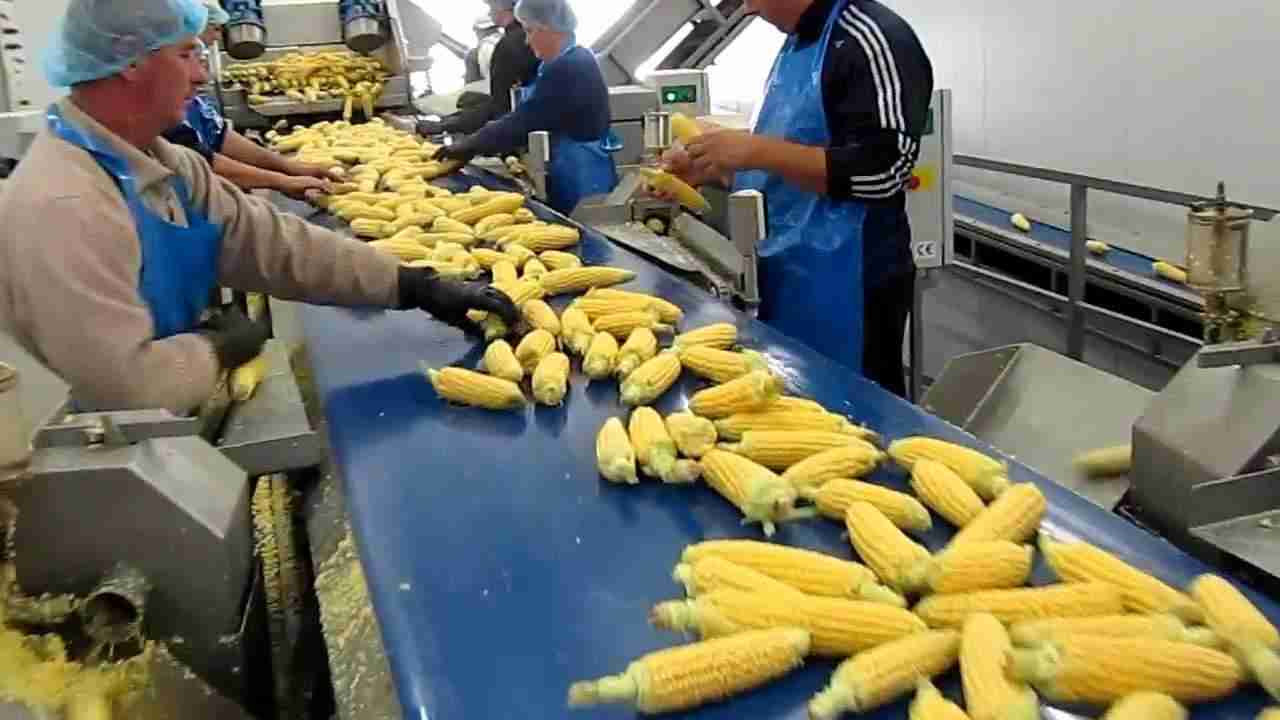
As the sun rises over golden cornfields, farmers prepare for the arduous task of harvesting. Each ear, perfectly encased in a green husk, holds the promise of nourishment and culinary delight. Once the harvest is complete, the journey of corn transitions to processing, where modern technology meets traditional techniques. This stage is crucial as it transforms the raw kernels into a variety of forms that find their way into our kitchens. Key processes in this transformation include:
- Shelling: Separating the kernels from the cob.
- Drying: Reducing moisture content for extended shelf life.
- Grinding: Creating flour or meal for cooking.
- Cooking: Preparing corn for immediate consumption or further processing.
From farmers’ hands to factory machinery, corn undergoes a meticulous journey. This journey ensures that whether it is enjoyed as popcorn, tortillas, or polenta, each bite comes with a story. In many cases, corn is processed into by-products that enhance food systems globally. The table below highlights some popular corn derivatives and their uses:
| Derivatives | Common Uses |
|---|---|
| Cornmeal | Baking, breading, and thickening |
| Sweet corn | Salads, salsas, and grilling |
| Flour | Pancakes, tortillas, and baked goods |
| Corn syrup | Sugaring, baking, and beverages |
Understanding Corn Varieties: Choosing the Right Type for Processing
When navigating the vast world of corn, understanding the specific varieties is essential for achieving optimal results in processing. Each type of corn boasts unique characteristics, making it suited for different applications. For instance, dent corn, commonly used in animal feed and industrial products, has a high starch content that contributes to its versatility. Alternatively, flint corn, known for its hard outer shell, is often utilized in making cornmeal and decorative purposes. Furthermore, sweet corn is prized for its sweetness and is ideal for fresh consumption or canning. By discerning these differences, processors can select the right corn variety to align with their intended use.
Moreover, experimenting with lesser-known varieties can also yield exciting results. Consider the vibrant hues of blue corn, a staple in certain Native American cuisines, which offers unique flavors and nutritional benefits. This variety is increasingly being recognized for its potential in specialty products such as tortillas and snack foods. On the other hand, popcorn is a special category unto itself with its unique popping ability, making it a popular choice for snack foods. When making your selection, consider the following factors to guide your choice:
- Purpose: Determine if the corn is for processing, direct consumption, or specialty products.
- Texture and Flavor: Consider the desired taste and texture in the final product.
- Market Demand: Evaluate trends in consumer preferences to select popular and profitable varieties.
For a clearer comparison, refer to the table below showcasing the key attributes of popular corn varieties:
| Variety | Common Use | Starch Content |
|---|---|---|
| Dent Corn | Animal Feed, Industrial Products | High |
| Flint Corn | Cornmeal, Decoration | Medium |
| Sweet Corn | Fresh Consumption, Canning | Low |
| Blue Corn | Tortillas, Gourmet Products | Medium |
| Popcorn | Snacks | Medium |
Essential Techniques in Corn Processing for Optimal Flavor and Nutrition
To achieve optimal flavor and nutrition in corn processing, it is crucial to employ a variety of techniques that harness the full potential of this versatile grain. One fundamental method is steaming, which preserves the natural color and taste while retaining essential nutrients. This gentle cooking technique helps maintain the moisture content in corn, enhancing its sweetness and tenderness. Additionally, nixtamalization, a traditional process where corn is soaked in an alkaline solution, not only improves its digestibility but also boosts the bioavailability of niacin and other nutrients. As a result, this ancient technique not only transforms the texture of corn but enriches its nutritional profile, making it suitable for diverse culinary applications.
Another vital aspect of corn processing is drying, which is essential for long-term storage and flavor concentration. By removing moisture, this technique prevents spoilage and can intensify the corn’s natural sweetness, especially beneficial when creating flours or snacks. Furthermore, fermentation can add complex flavors and beneficial probiotics to corn products. The transformation from fresh kernels to tangy corn masa for tortillas exemplifies this technique’s artistry and science. Here’s a quick comparison of these techniques based on their impact on flavor and nutritional outcomes:
| Technique | Flavor Impact | Nutritional Benefits |
|---|---|---|
| Steaming | Retains natural sweetness | Preserves vitamins and minerals |
| Nixtamalization | Enhances flavor complexity | Boosts nutrient absorption |
| Drying | Intensifies sweetness | Extends shelf life |
| Fermentation | Develops tangy flavors | Adds probiotics and improves digestibility |
Innovative Recipes: Transforming Processed Corn into Culinary Delights
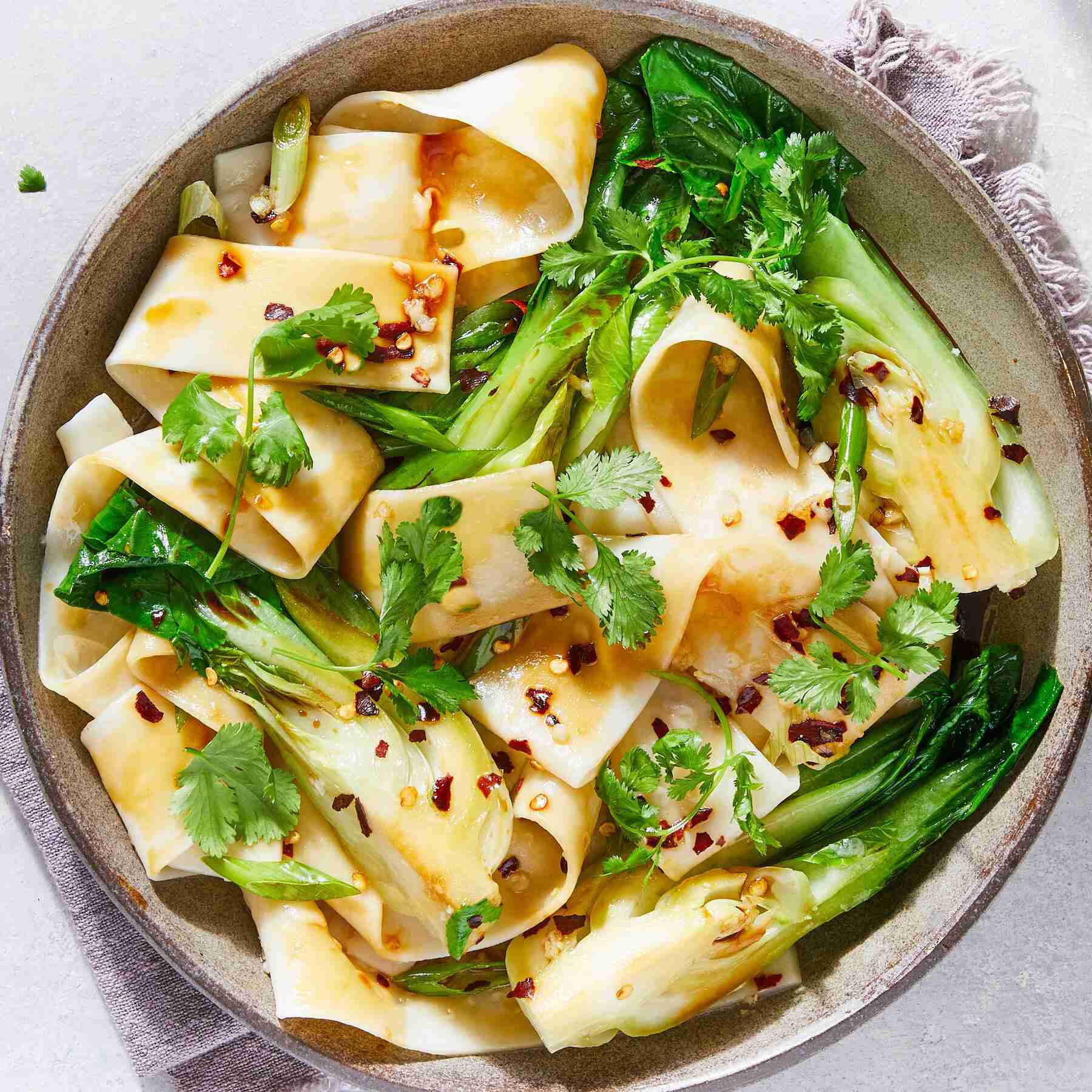
Processed corn offers endless versatility in the kitchen, transforming simple ingredients into culinary masterpieces. Home cooks and chefs alike can experiment with corn’s various forms, such as cornmeal, corn flour, and even sweet corn syrup, creating dishes that celebrate its flavor and texture. Consider these innovative recipes to elevate your corn game:
- Sweet Corn Fritters: Combine grated corn, flour, and spices to create a crispy, golden-brown treat, perfect for brunch or as a side dish.
- Spicy Corn Chowder: Blend sweet corn with spiced broth, potatoes, and diced peppers for a comforting soup that warms the soul.
- Corn Flour Tortillas: Make fresh tortillas using corn flour for a gluten-free option, ideal for taco night.
With an intriguing array of flavors in processed corn, it’s easy to craft gourmet meals that wow the palate. For those looking to dive deeper into the culinary techniques involving corn, utilizing a variety of processed products can create a sophisticated dining experience. Here’s a quick overview of corn products and their best culinary uses:
| Product | Best Uses |
|---|---|
| Cornmeal | Polenta, cornbread, and baking |
| Corn Starch | Thickening sauces and soups |
| Corn Syrup | Baking and sweetening |
Insights and Conclusions
As we conclude our journey through the intricate world of corn processing, it becomes evident that this humble grain is more than just a dietary staple; it is a vibrant tapestry woven from tradition, innovation, and science. From the age-old practices of indigenous cultures to the cutting-edge technologies of modern food science, the transformation of corn from cob to table is a testament to human ingenuity and adaptability.
Every kernel carries with it a story, a reminder of the agricultural legacy that has shaped our societies and nourished our bodies. As we savor the diverse forms this versatile ingredient takes—be it a comforting bowl of polenta, a crisp tortilla, or even a dollop of sweet corn ice cream—we are also partaking in a much larger narrative about sustainability, health, and cultural heritage.
In understanding the art and science behind corn processing, we not only appreciate our food on a deeper level but also cultivate a greater respect for the ecosystems and communities that bring it to our plates. So, the next time you enjoy a meal enriched by this golden grain, take a moment to reflect on the journey it made from cob to table, and consider how your choices can continue to honor its profound impact on our world. The dance of corn, whether celebrated or overlooked, will persist—as will our responsibility to nurture and cherish the intricate connections that bind us to this essential crop.




