
From Cob to Kernel: The Journey of Corn Processing
Corn, a versatile staple cultivated across the globe, holds a special place in agricultural and culinary traditions. From the golden fields swaying gently in the breeze to the bustling processing plants where kernels are transformed into myriad products, the journey of corn is as intricate as it is fascinating. This article invites you to explore the transformative path of corn processing—from the moment it is harvested from the cob to its arrival as a variety of familiar ingredients in kitchens nationwide. We will delve into the methods that turn humble maize into everything from sweet corn syrup to hearty tortilla chips, shedding light on the innovation and craftsmanship involved in each stage of its journey. Join us as we unravel the story of corn, a crop that has nourished civilizations and continues to play a pivotal role in food production today.
Exploring the Origins of Corn Processing Techniques
The history of corn processing is a tapestry woven from the threads of many cultures, each adding unique techniques and innovations. Indigenous peoples in the Americas were among the first to harness the power of corn, utilizing methods such as nixtamalization, where kernels were soaked and cooked in an alkaline solution, making their valuable nutrients more accessible and enhancing flavors. This ancient technique not only increased the shelf life of the corn but also gave birth to beloved staples like tortillas and tamales, which remain fundamental to many diets today. Over centuries, as European settlers encountered maize, they too adapted their food processing methods, incorporating corn into their kitchens and evolving the craft further.
As corn processing spread across the globe, it met with various local practices and became intertwined with the agricultural and cultural landscapes of different regions. Today, we can observe a variety of processing techniques that have emerged, reflecting both traditional and modern ingenuity. Some methods include:
- Dry Milling: This process grinds the kernels into flour or grits, often used for cornbread or polenta.
- Wet Milling: In this technique, corn kernels are soaked and then separated into their various components, primarily starch, protein, and oil, leading to products like corn syrup.
- Fermentation: Corn is key in producing alcoholic beverages like bourbon and traditional foods such as chicha in South America.
- Hominy Production: Another outcome of nixtamalization, hominy involves the removal of the hull, resulting in puffed kernels used in soups and stews.
As we delve into the nuances of corn processing techniques, an overview of contemporary practices reveals how past innovations continue to influence modern gastronomy. Here’s a brief comparison of traditional versus contemporary methods:
| Method | Traditional Process | Modern Process |
|---|---|---|
| Nixtamalization | Use of ash or lime | Controlled chemical processing |
| Grinding | Stone Grinders | Industrial Mills |
| Fermentation | Natural yeast | Controlled fermentation |
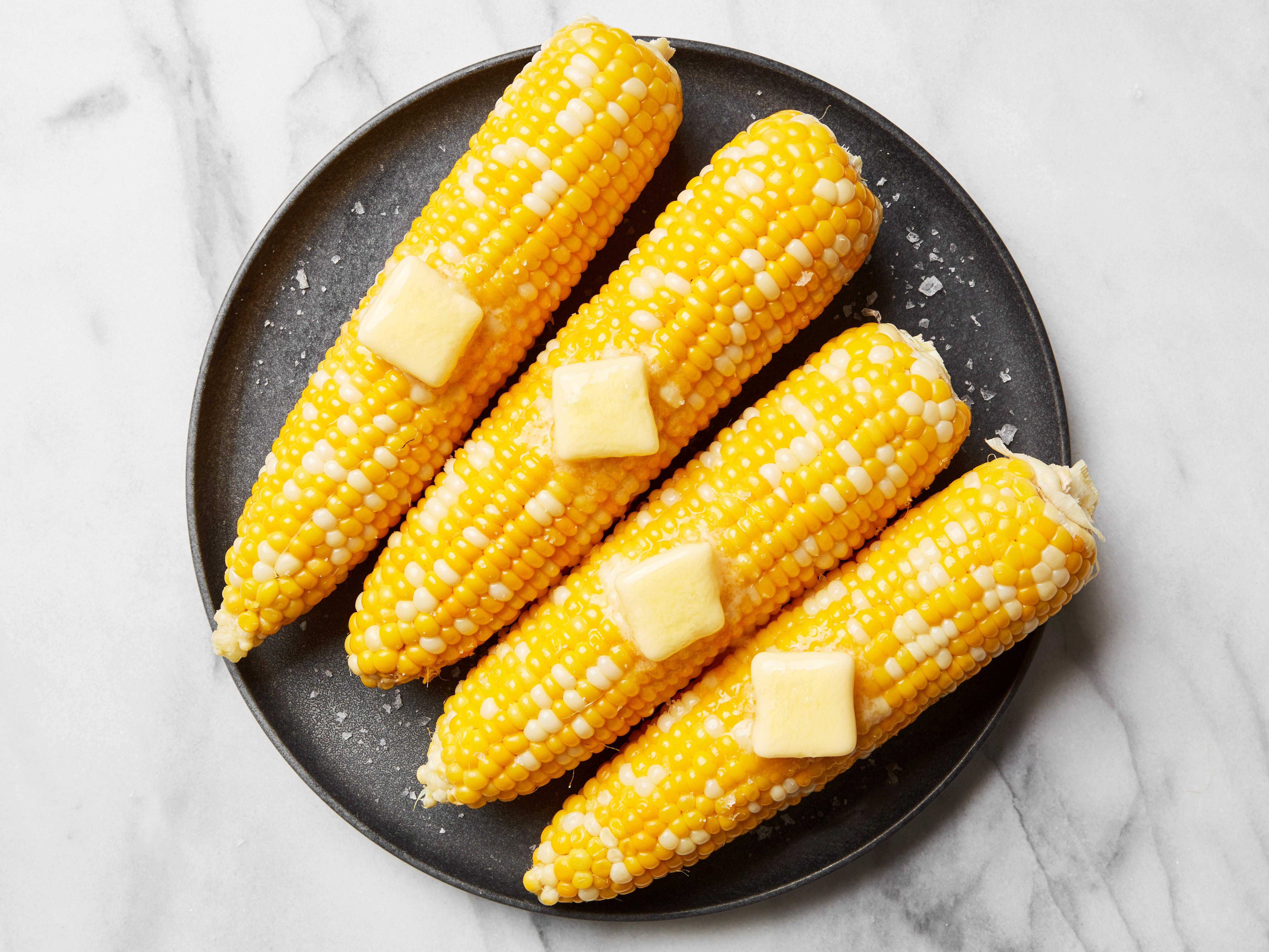
Unraveling the Steps from Cob to Kernel: A Detailed Overview
Processing corn involves a fascinating journey from cob to kernel, where each stage brings out the unique qualities of this versatile grain. First, the harvested corn is typically stripped from its cob through a mechanical process or by hand, depending on the scale of production. This method not only maximizes kernel yield but also minimizes damage to the kernels, ensuring they maintain their integrity during processing. Second, the kernels undergo a thorough cleaning to eliminate impurities such as dirt, leaves, and other foreign materials. This crucial step sets the stage for subsequent processing phases and ensures that only the best quality kernels are utilized in further applications.
Once the kernels are clean, they are often subjected to a series of steps that prepare them for various uses. Typically, these processes include:
- Drying: This reduces moisture content to enhance shelf-life.
- Milling: Depending on the desired end product, kernels can be ground into various forms such as corn meal, corn flour, or grits.
- Cooking: For products like corn chips or tortillas, cooking transforms the kernels’ structure and flavor profile.
The careful monitoring of time and temperature ensures optimal taste and texture, leaving the kernels ready for packaging or further culinary exploration.
| Process Stage | Description |
|---|---|
| Harvesting | Collecting mature cobs from the fields. |
| Shelling | Removing kernels from the cob. |
| Cleaning | Eliminating impurities from kernels. |
| Drying | Reducing moisture for preservation. |
| Milling | Grinding into corn products. |

Innovative Methods in Corn Transformation for Modern Industries
In the ever-evolving landscape of agricultural innovation, the transformation of corn has marked a pivotal turning point for modern industries. Traditional methods are giving way to cutting-edge techniques that enhance efficiency and sustainability. Gene editing and biotechnological advancements now facilitate corn hybrids that exhibit improved nutritional profiles and increased resistance to pests and diseases. These innovations not only elevate the quality of corn but also optimize yields, supporting the growing demand from both food and non-food applications.
Moreover, the processing methods employed in transforming corn into various products have seen a revolution. Today, industries utilize techniques such as dry milling and wet milling, which carefully segregate different components of the corn kernel for diverse applications. For instance, the key components derived from corn can be categorized as follows:
| Component | Application |
|---|---|
| Starch | Biodegradable plastics, sweeteners |
| Fiber | Animal feed, eco-friendly packaging |
| Oil | Biofuels, cooking oils |
This multifaceted approach not only maximizes the economic value extracted from corn but also opens avenues for innovation in biodegradable products, sustainable energy sources, and improved dietary options. Such advancements are integral to creating a circular economy, where every part of the corn kernel contributes to a more sustainable industrial ecosystem.

Sustainable Practices in Corn Processing: Recommendations for the Future
As corn processing continues to evolve, integrating sustainable practices is paramount for both environmental stewardship and economic viability. Innovative techniques in production and processing can help minimize waste and energy consumption, ensuring that the journey from cob to kernel contributes to a healthier ecosystem. Here are key recommendations to enhance sustainability:
- Resource Optimization: Implement technologies that reduce water and energy use during processing. Methods such as recycling water and utilizing renewable energy sources can significantly lower the carbon footprint.
- Waste Management: Explore ways to repurpose by-products, such as creating animal feed from leftover corn husks and cobs or generating biogas from organic waste.
- Eco-Friendly Packaging: Shift towards biodegradable and recyclable materials to reduce plastic waste associated with corn-based products.
- Collaboration with Farmers: Engage in partnerships with local farmers to promote sustainable agricultural practices, ensuring that corn is grown with environmentally friendly methods.
Future advancements in technology can further enhance the sustainability of corn processing. Embracing precision agriculture and data analytics will allow processors to gauge crop yields more accurately and manage resources efficiently. A collaborative approach not only fosters innovation but also strengthens community bonds. A glimpse into potential innovations includes:
| Innovation | Description |
|---|---|
| Biodegradable Plastics | Developing polymers from corn starch that decompose naturally, reducing landfill impact. |
| Energy-Efficient Machinery | Investing in state-of-the-art equipment that minimizes energy use and maximizes efficiency. |
| Online Platforms for Traceability | Utilizing digital tools to track corn from farm to processor, ensuring transparency and sustainability. |
In Conclusion
As we conclude our exploration of the fascinating journey from cob to kernel, it becomes clear that corn is more than just a staple crop; it is a symbol of evolution in our agricultural practices and culinary arts. From the rustic fields where it first took root to the sophisticated processing strategies that bring it to our tables, each step in this journey reflects human ingenuity and resilience.
Corn has traveled through centuries, transforming from a humble grain to a crucial ingredient in countless dishes and products. Understanding this journey not only deepens our appreciation for corn itself but also highlights the broader themes of sustainability and innovation in food production.
As we look to the future, may we continue to honor this remarkable plant, recognizing the intricate processes that allow us to enjoy its many forms. In a world increasingly focused on food security and environmental stewardship, the journey of corn reminds us that every kernel holds a story, and every meal connects us to the land and the laborers who cultivate it. Let us carry this knowledge forward, celebrating the rich heritage of corn while nurturing its enduring legacy.




