
From Cob to Flour: The Journey of Maize Milling Explained
In the heart of every vibrant cornfield lies a story waiting to be harvested. The bright, golden ears of maize, often celebrated as a staple food across cultures, have a remarkable journey that transforms them from humble cobs into finely milled flour. This intriguing process not only highlights the versatility of maize but also showcases the intricate traditions and modern techniques involved in milling. As we embark on this exploration, we will unravel the steps of maize milling, uncovering the science, craftsmanship, and history that accompany each grain. Join us as we delve into the fascinating world of maize—from its cultivation on sun-kissed fields to its final metamorphosis into a pantry essential.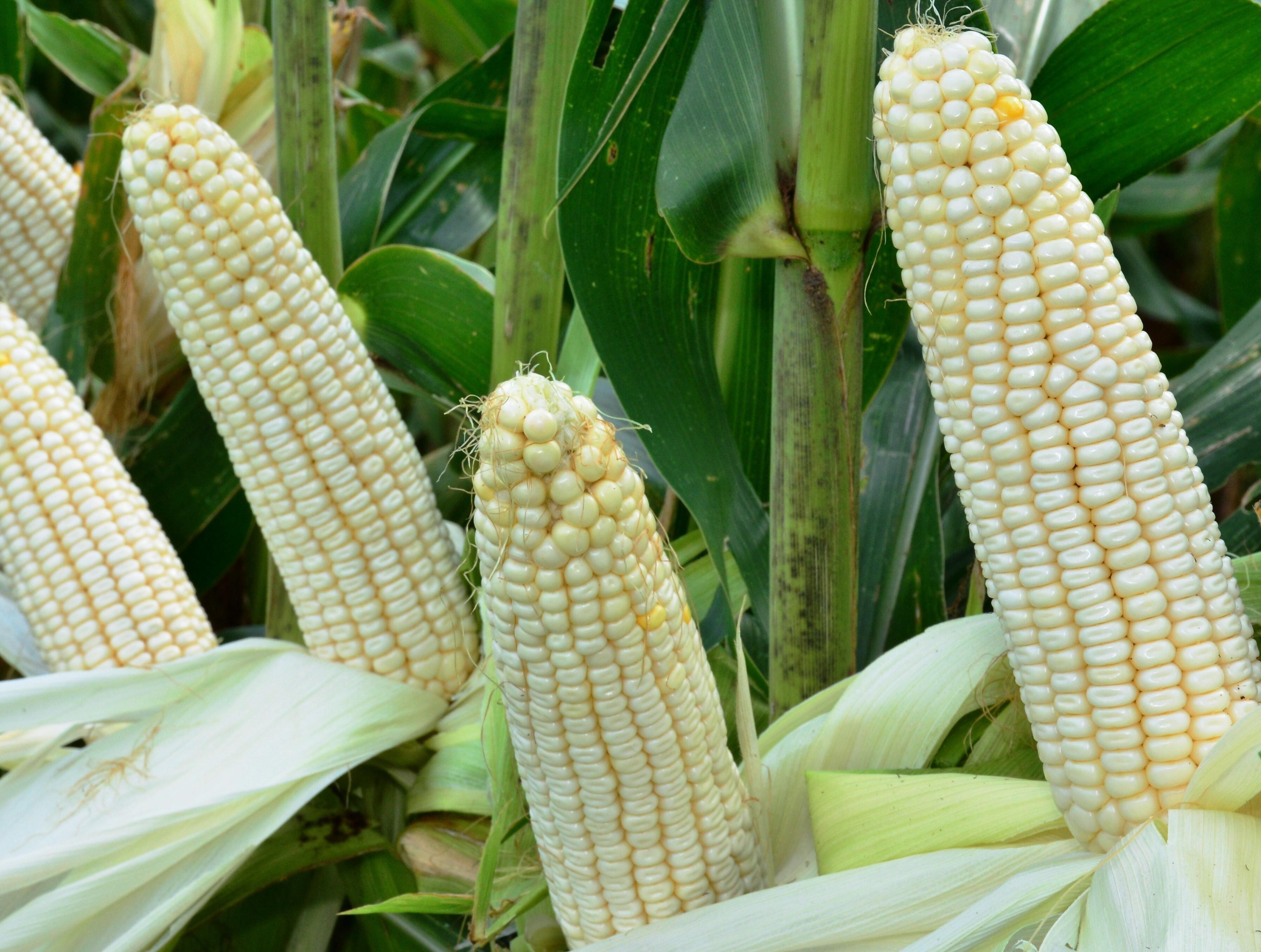
Understanding the Maize Cob: Anatomy and Its Role in Milling
The maize cob, often overlooked in discussions about milling, serves as the essential backbone of the maize plant. Comprised of sturdy lignin and cellulose, the cob functions as the structural support for the kernels that encase it. Not only does it provide physical stability, but it also plays a role in the plant’s health by facilitating nutrient transport. When milling begins, separating the kernel from the cob is crucial, as the kernel contains the vital starch and protein necessary for flour production. Some key components of the maize cob’s anatomy include:
- Outer Layer (Pericarp): The protective shell that also influences grain quality.
- Cob Pith: The soft tissue that can be processed for animal feed.
- Kernel Attachment Points: Where the kernels are anchored, impacting harvest efficiency.
In the milling process, understanding the role of the cob goes beyond basic structure; it also affects the overall quality of flour produced. Millers must carefully separate the kernels from the cob to maximize yield and minimize waste. While most of the focus is on the kernel, the cob can also be repurposed post-milling in various ways, contributing to sustainability in agro-industry. Here’s a brief overview of how the cob can be utilized:
| Utilization Method | Description |
|---|---|
| Animal Feed | Finely ground cob can supplement livestock diets. |
| Biomass Energy | Can be used as a renewable energy source for biofuel production. |
| Paper Production | Processed fibers from the cob can be used to create eco-friendly paper. |
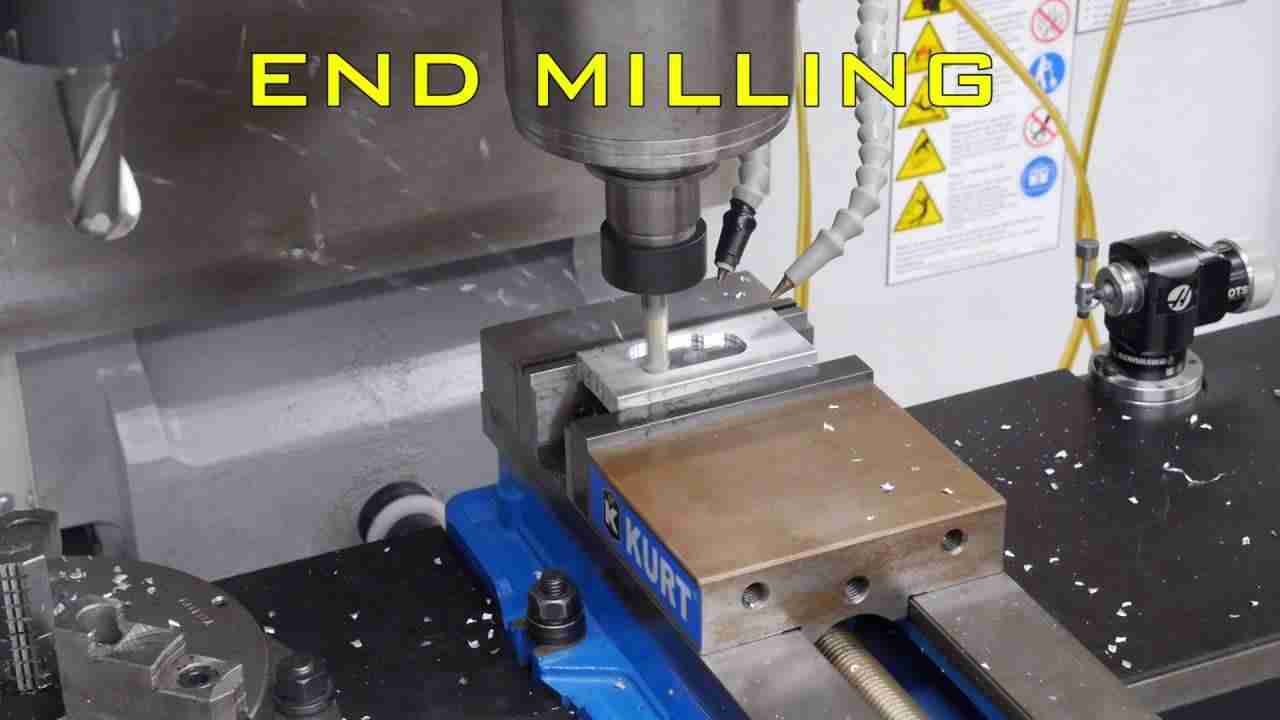
The Milling Process Unveiled: Transforming Cob to Flour
The journey from maize cob to fine flour is a fascinating transformation that engages the senses and highlights the intricate processes involved. Initially, the maize is harvested and brought to the mill, where it undergoes a thorough cleaning to remove impurities such as dirt, leaves, and other foreign materials. This vital first step ensures that only the highest quality maize is processed. Once cleaned, the maize kernels are removed from the cob and prepared for milling, revealing their natural beauty in various shades of yellow and blue. The kernels are then subjected to a series of mechanical processes including soaking and steeping in water, a technique known as nixtamalization, which enhances flavor and nutritional profile.
Following this preparation, the kernels are dried to the optimal moisture content before being ground into flour. The milling process can be broken down into several key stages:
- Coarse Grinding: The dried kernels are crushed to break them down into smaller pieces.
- Fine Grinding: Further milling reduces the size of the maize particles, achieving the desired flour consistency.
- Sieving: The ground maize is then sieved to separate finer flour from coarse particles.
This meticulous approach ensures that the flour produced retains the distinctive flavors and nutrients of the maize, making it a staple ingredient in countless recipes worldwide. Below is a simple table illustrating the process stages:
| Stage | Description |
|---|---|
| Harvesting | Collecting mature maize cobs from the field. |
| Cleaning | Removing impurities and foreign materials. |
| Milling | Grinding kernels into flour through various techniques. |
| Packaging | Preparing the final flour product for distribution. |
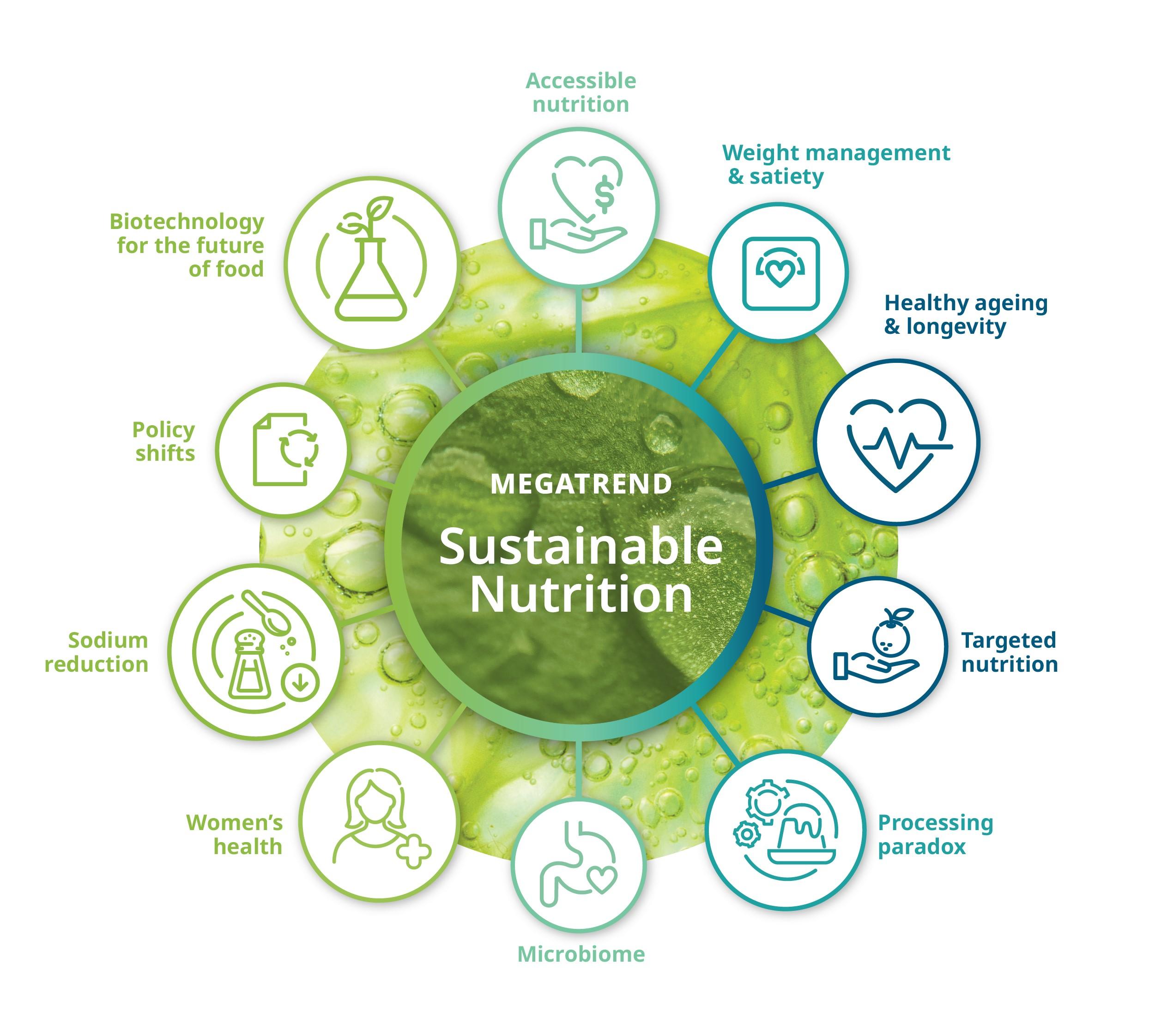
Nutritional Insights: The Value of Maize Flour in Modern Diets
Maize flour, derived from the milling of maize (corn), packs a nutritional punch that is pivotal in contemporary diets. Rich in carbohydrates, it serves as an energy source, fueling the daily activities of millions. Beyond carbs, maize flour is notable for its fiber content, promoting digestive health and providing a feeling of fullness. The presence of essential vitamins such as B vitamins enhances energy metabolism, while minerals like magnesium and phosphorus contribute to strong bones and overall well-being. This multifaceted nutritional profile makes maize flour an essential ingredient in various culinary applications, from traditional dishes to healthy alternatives.
Additionally, maize flour offers unique benefits that cater to diverse dietary needs. Its gluten-free nature makes it a popular choice among those with celiac disease or gluten intolerance. This versatility is highlighted in various global cuisines, where maize flour contributes to both savory and sweet dishes. To illustrate its nutritional value, here’s a simple comparison of maize flour against some other common flours:
| Flour Type | Carbohydrates (per 100g) | Fiber (per 100g) | Gluten-Free |
|---|---|---|---|
| Maize Flour | 73g | 7g | Yes |
| Wheat Flour | 76g | 2.7g | No |
| Rice Flour | 80g | 3g | Yes |
| Almond Flour | 20g | 10g | Yes |
This table highlights the unique position that maize flour occupies among other flours, particularly for those looking for gluten-free options without sacrificing nutritional value. Incorporating maize flour into meals not only diversifies dietary habits but also enhances health outcomes, underscoring its significance in the modern diet.

Sustainable Practices in Maize Milling: Recommendations for Eco-Friendly Production
Embracing sustainability in maize milling involves adopting practices that minimize environmental impact while maintaining productivity. First and foremost, energy-efficient machinery should be utilized to reduce energy consumption during the milling process. This includes integrating variable frequency drives (VFDs) that adjust motor speed according to demand, thus conserving energy. Additionally, the use of renewable energy sources, such as solar panels, can significantly lower the carbon footprint associated with traditional fossil fuels. Regular equipment maintenance not only enhances efficiency but also extends the lifespan of machinery, leading to less waste and fewer resources needed for replacements.
Another vital aspect of sustainable maize milling is waste management. Implementing practices such as byproduct reutilization can transform what would typically be waste into valuable resources. For instance, bran and germ, often discarded during milling, can be repurposed into animal feed or used in health food products. Moreover, establishing partnerships with local farmers and businesses can encourage a circular economy where excess materials find new life nearby. The effectiveness of these practices can be demonstrated in the following table:
| Byproduct | Common Use | Environmental Benefit |
|---|---|---|
| Bran | Animal feed, Health snacks | Reduces landfill waste |
| Germ | Cooking oil, Corn syrup | Resource efficiency |
| Stalks | Biomass fuel | Carbon neutrality |
These initiatives not only bolster monetary savings but also foster a community that prioritizes eco-friendliness. The integration of eco-conscious approaches into the maize milling sector not only enhances operational efficiency but also plays a pivotal role in preserving resources for future generations.
Insights and Conclusions
the journey from cob to flour is a fascinating exploration of nature’s bounty and human ingenuity. Each step in the milling process not only transforms the humble maize cob but also connects us to centuries of agricultural tradition and innovation. As we have discovered, the meticulous art of milling—ranging from the careful selection of kernels to the final grinding—plays a vital role in the creation of various food products we often take for granted.
As our understanding of this journey deepens, so too does our appreciation for the intricate systems that sustain our food supply. Whether you’re savoring a warm tortilla or a delicious cornbread, remember that each bite is a testament to the age-old relationship between people and grain. Now that you’ve seen the full arc of maize milling, consider the next time you enjoy maize-based dishes: the labor, skill, and history that brought them from field to table. The journey is far from over; it continues as we innovate and rethink the ways we cultivate and process this essential crop.




