From Cob to Cup: The Art and Science of Corn Processing
In the heart of agriculture, where sun-kissed fields stretch endlessly, corn stands as one of humanity’s oldest and most versatile crops. With its vibrant golden kernels swaying gently in the breeze, this remarkable grain is more than just a staple food; it is indeed a canvas for culinary innovation and scientific exploration. From the rustic charm of the farm to the bustling kitchens and modern factories, the journey of corn—from cob to cup—tells a rich story of tradition, ingenuity, and transformation. in this article, we delve into the intricate process of corn processing, unraveling the myriad techniques that turn raw cob into delectable dishes, nourishing beverages, and essential ingredients that grace our tables. Join us as we explore the artistry and precision behind this age-old craft, celebrating the marriage of heritage and technology that defines our relationship with one of nature’s most cherished gifts.
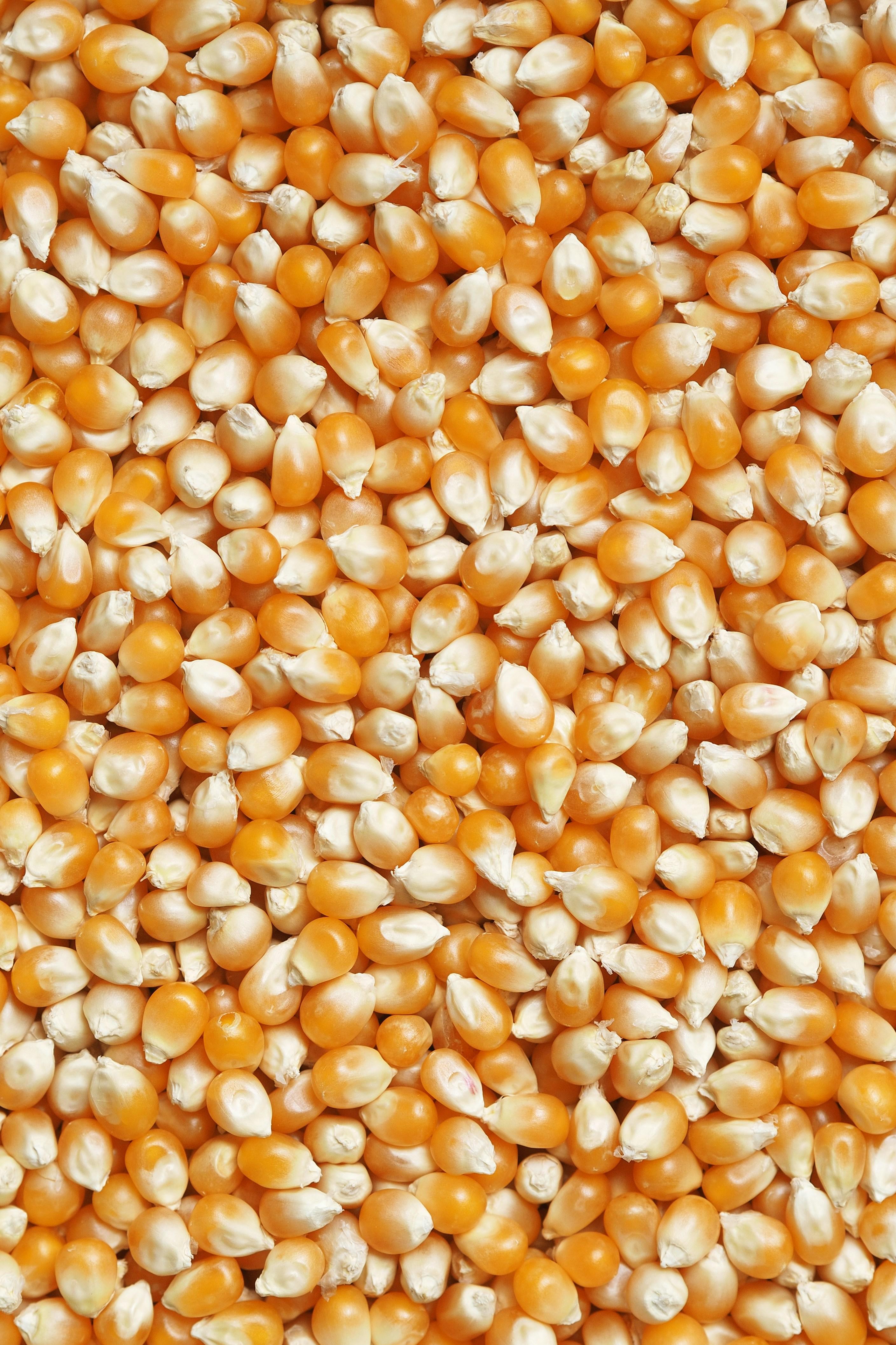
Exploring the journey of Corn: From Harvest to the Kitchen
From the moment corn is harvested, a meticulous journey begins, transforming the humble ear of corn into a variety of beloved culinary ingredients. This process begins in the fields, where golden kernels are plucked from their cobs, each carefully selected for its quality. Once harvested, the ears journey to processing facilities where they undergo various stages, such as:
- Cleaning: Removing any husks, dirt, or debris.
- Shelling: Separating the kernels from the cob, utilizing both customary and mechanized methods.
- Drying: Reducing moisture content to ensure preservation and prevent spoilage.
- Milling: Grinding kernels into meal or flour for diverse culinary uses.
Following processing, corn is transformed into numerous products, each with its unique applications in the kitchen. This versatility is one reason corn holds a cherished place in various global cuisines. Consider some of these delightful creations:
| Product | uses |
|---|---|
| Cornmeal | Used in cornbread, pancakes, and as a coating for frying. |
| Polenta | A comforting dish made by boiling cornmeal and serving it creamy or allowed to set and slice. |
| Corn Syrup | A sweetener ideal for baking and candy-making. |
| Popcorn | A fluffy and tasty snack enjoyed at movies and gatherings. |
Understanding the Nutritional Value: The Benefits of Corn Processing
The journey of corn from its natural state to processed goods yields an array of nutritional benefits that enhance its value as a staple food. Through various processing methods, key nutrients are preserved or even enhanced, making corn a versatile ingredient in diets worldwide.Vital processes such as milling, fermentation, and extrusion not only alter the digestibility of corn but also help in enriching its nutritional profile. As a notable example, cornmeal and masa flour are excellent sources of complex carbohydrates, fiber, and essential vitamins like B vitamins, especially thiamin and niacin, which are crucial for energy metabolism.
Moreover, the processing techniques can reduce anti-nutritional factors, making nutrients more bioavailable. This is particularly evident in the fermentation process, which not only enhances flavor but also boosts probiotic content. Processed corn products like tortillas and polenta incorporate these benefits, offering an easier way for the body to absorb other nutrients. Furthermore, when considered in a broad food matrix, products derived from corn can aid in a balanced diet by providing healthy carbohydrates, plant proteins, and dietary fiber, while also serving as a gluten-free option for many.

Innovative Techniques: Modern Methods in Corn Milling and Cooking
As the demand for both quality and efficiency in corn processing grows, various innovative techniques have emerged, substantially transforming traditional milling and cooking methods. One such advancement is the utilization of high-moisture corn fermentation, which not only enhances flavor profiles but also improves digestibility. This process involves carefully controlling the moisture content and fermentation time to produce ingredients that excel in both taste and nutrient availability. Additionally, the adoption of precision milling technologies has allowed manufacturers to achieve more consistent particle sizes, ensuring uniform cooking times and texture in the final products.
Moreover, the incorporation of extrusion cooking technology represents a importent leap forward. This high-temperature, short-time cooking method effectively gelatinizes starches, making nutrients more accessible. Products processed via extrusion frequently enough boast a familiar texture that consumers adore while also minimizing cooking time and preserving nutritional integrity. Other notable methods include dry milling techniques that reduce energy consumption and enhance sustainability by maximizing yield. Innovations such as these not only streamline production but also pave the way for new culinary experiences, taking corn from the farm directly to the consumer’s table with unmatched efficiency and flavor.

Sustainable Practices in the Corn Industry: Balancing Tradition with Technology
The corn industry is at a pivotal crossroads where traditional farming practices intersect with modern technological advancements, fostering a new era of sustainability. Farmers are increasingly adopting crop rotation and cover cropping techniques to enhance soil health and reduce dependency on chemical fertilizers. This move not only preserves the land for future generations but also improves biodiversity by encouraging a variety of plants and animals to thrive. The addition of precision agriculture technologies—like satellite imagery and soil sensors—enables farmers to make informed decisions about water usage and nutrient application, thus minimizing waste and environmental impact. As we embrace these innovations, we concurrently honor the agricultural methods that have been passed down through generations, creating a harmonious blend of past and present.
Moreover, the processing of corn into various products can efficiently align with sustainable practices, underscoring the importance of reducing waste and optimizing resources. Modern processing facilities are now utilizing advanced techniques such as biogas generation from corn husks and cobs, turning what was once discarded into a valuable energy source. By incorporating sustainable methods in the factory, manufacturers can lower their carbon footprint while harnessing every part of the corn plant. the following table showcases the innovative practices adopted across different segments of the corn processing industry:
| Practice | Description | Benefit |
|---|---|---|
| Crop Rotation | alternating crops to maintain soil health | reduced soil erosion and enhanced nutrient availability |
| Precision Agriculture | Use of technology for efficient farming | Optimized resource use, less waste |
| biogas Generation | Energy production from organic waste | Renewable energy source, waste reduction |
The Way Forward
As we pull back the curtain on the engaging journey of corn, it becomes clear that the path from cob to cup is paved with both artistry and ingenuity. Each stage of corn processing reveals layers of tradition, science, and culinary potential, showcasing how a humble kernel transforms into a myriad of products that grace our tables and nourish our bodies. Whether it’s the warmth of freshly baked cornbread or the refreshing sip of corn-infused beverages, the versatility of corn serves as a testament to human creativity and agricultural innovation. Ultimately, this exploration invites us to appreciate not just the flavors we enjoy, but the intricate processes that bring them to life. As we move forward, let us celebrate the connections between our food, our culture, and the dedicated hands that cultivate this golden grain, ensuring that its journey from cob to cup continues to inspire and delight for generations to come.