
From Cob to Crumble: The Journey of Maize Milling
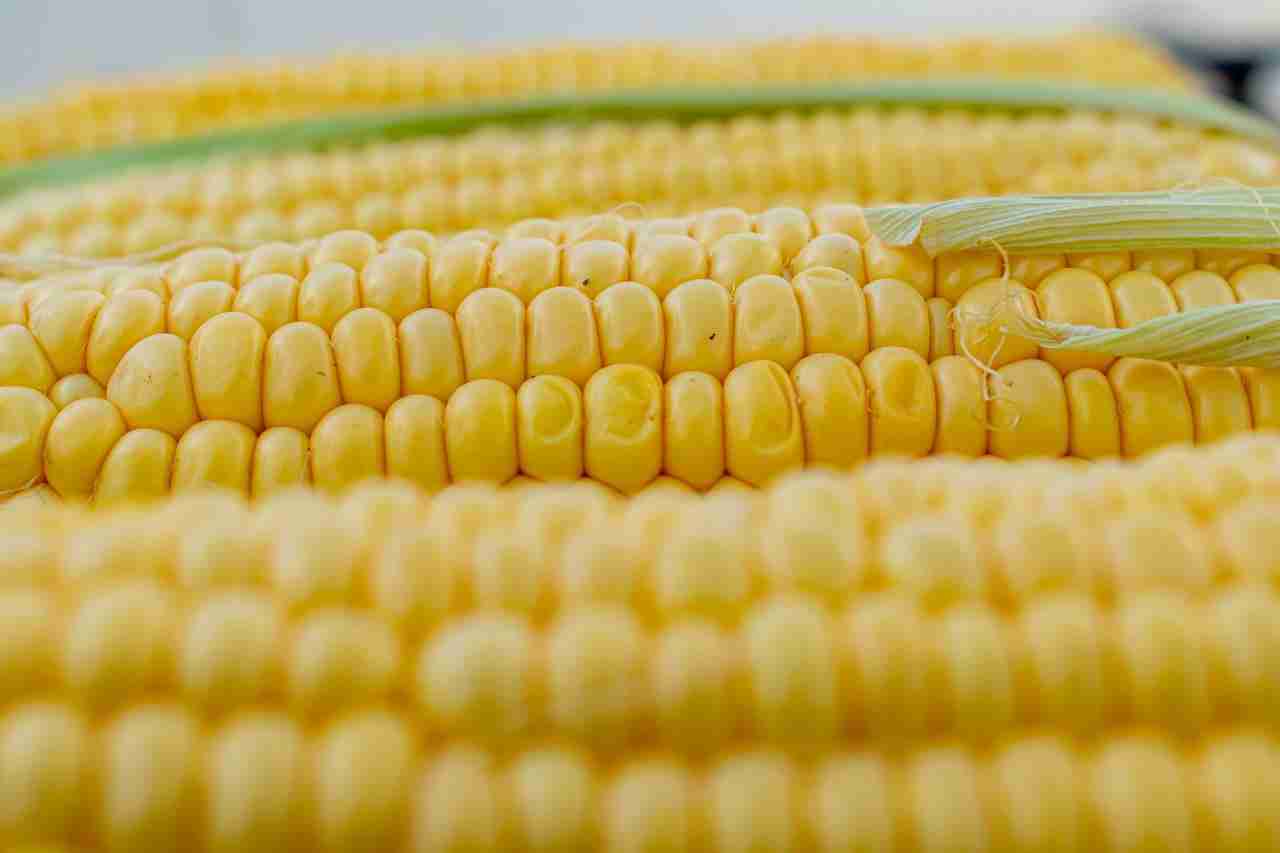
In the quiet rhythm of agricultural landscapes, one humble grain stands out, revered for its versatility and cultural significance: maize. Whether it graces our tables as a corn on the cob at summer barbecues or transforms into a warm, crumbly cornbread, maize has woven itself into the fabric of culinary traditions around the globe. But before it can be transformed into these beloved dishes, maize embarks on an intricate journey through the milling process. From golden cobs swaying in the field to the fine textures of meal and flour in our kitchens, the story of maize milling is one of time-honored practices, innovation, and sustainability. Join us as we explore the fascinating transformation of maize, shedding light on the methods and technologies that have shaped this essential ingredient throughout history.
The Historical Evolution of Maize Milling Techniques
Throughout history, maize milling has transformed significantly, evolving from rudimentary methods of grinding corn to sophisticated milling technologies. In ancient civilizations, maize was often processed by hand using simple tools such as stone mortars and grinding stones, which allowed for the creation of coarse flour suitable for basic culinary needs. This labor-intensive process required significant time and effort, which made freshly milled corn a delicacy reserved for special occasions. As agricultural practices advanced, so too did milling techniques, leading to the introduction of devices like the wooden pestle and mortar and, eventually, the water-driven mill. These innovations marked a notable turning point, enabling larger quantities of maize to be processed more efficiently.
With the onset of the Industrial Revolution in the 19th century, maize milling experienced a major leap forward. The invention of the steam engine and subsequent mechanization paved the way for larger-scale milling operations. New equipment such as steel roller mills and grist mills significantly improved the fineness of flour and reduced the time required for processing. By the 20th century, electric milling machines became commonplace, allowing for even greater precision and automation in flour production. This evolution not only enhanced the availability and affordability of maize products like cornmeal and masa but also led to the diversification of end products, which include everything from snacks to nachos. The enhancement of milling techniques has redefined the culinary landscape, making maize a staple ingredient enjoyed across cultures worldwide.
| Era | Milling Technique | Characteristics |
|---|---|---|
| Prehistoric | Hand Grinding | Labor-intensive |
| Medieval | Water Mills | Increased Efficiency |
| 19th Century | Steam-Powered Mills | Mass Production |
| 20th Century | Electric Mills | Precision & Automation |
Exploring Modern Innovations in Corn Processing
Innovations in corn processing have transformed traditional methods, merging age-old wisdom with cutting-edge technology. Modern milling equipment, such as high-efficiency roller mills and air-classifying systems, allows for fine-tuning of particle size and consistency, optimizing the end product for various uses—from baking to brewing. The adoption of automated machinery not only increases production speed but also minimizes manual handling, reducing human error and enhancing safety in the workplace. Furthermore, advances in sensor technology for monitoring moisture and quality ensure that only the best corn kernels are processed, leading to superior outcomes in both flavor and texture.
Among the noteworthy innovations is the integration of sustainable practices within corn processing facilities. Many businesses are now focusing on zero waste initiatives, utilizing every part of the corn from cobs to husks. This can include producing sweeteners and biofuels from by-products or even converting waste into animal feed. Technological advancements allow for real-time data collection and analysis, helping mills monitor their environmental impact and streamline their operations. The synergy of sustainability and efficiency is paving the way for a more responsible corn processing industry, where innovation meets eco-consciousness.

Nutritional Transformation: From Whole Kernel to Fine Flour
In the journey from whole kernel to fine flour, the transformation of maize encompasses both meticulous craftsmanship and intricate scientific processes. Initially, maize kernels, rich in nutrients and flavor, embark on their milling voyage through several stages. Cleaning is the first step, where the kernels are separated from extraneous materials such as dust, stones, and husks. Following this, drying ensures that the kernels hold the perfect moisture content for milling. This not only helps in preserving the corn’s essence but also aids in achieving the desired flour texture.
Once the kernels are prepped, they undergo grinding, which can occur through various methods, including stone milling, roller milling, and hammer milling. Each grinding technique yields a unique texture and quality of flour, allowing for diverse culinary applications. The final product is often classified based on its extraction rate, which signifies how much of the kernel is used. Typical classifications include:
- Whole Grain Flour: Contains all parts of the kernel.
- All-Purpose Flour: A blend that is versatile for multiple recipes.
- Finely Milled Flour: Particularly soft and suitable for pastries.
To further illustrate the nutritional aspects of flour derived from maize, consider the following table that compares the nutritional content of whole maize flour and refined maize flour:
| Nutrient | Whole Maize Flour (per 100g) | Refined Maize Flour (per 100g) |
|---|---|---|
| Calories | 364 | 365 |
| Protein | 9g | 7g |
| Fiber | 7g | 2g |
| Fat | 4g | 1.5g |
With this nutritional transformation, whole maize flour emerges as a champion of health benefits, offering a rich profile that is often diminished in its refined counterpart. This journey from cob to crumble not only highlights the importance of milling techniques but also emphasizes the significant impact of choosing the right type of maize flour for health-conscious culinary endeavors.
Sustainable Practices in Maize Milling for a Greener Future
In recent years, the maize milling industry has been increasingly adopting sustainable practices that not only enhance operational efficiency but also mitigate environmental impacts. These innovations range from the sourcing of raw materials to energy consumption during processing. Mills are increasingly opting for locally grown maize, which reduces transportation emissions and supports local farmers. Additionally, integrative waste management solutions are being employed, transforming by-products of milling into valuable resources, such as animal feed or biofuel. Such practices contribute to a circular economy that minimizes waste and maximizes resource use.
Energy consumption is another critical focus area for sustainability in maize milling. With advancements in technology, many milling facilities are transitioning to renewable energy sources such as solar or wind power. This shift not only reduces carbon footprints but also promotes energy independence. Furthermore, the implementation of energy-efficient machinery and practices, such as optimizing milling processes to reduce time and energy usage, have become standard in leading mills. The amalgamation of these strategies is drawing the path towards an environmentally friendly and economically viable maize milling sector, underlining the industry’s commitment to a greener future.
Concluding Remarks
As we draw the curtain on the remarkable journey of maize milling, from the humble cob to the delicate crumble, it is clear that this process is not merely a means to an end, but a narrative steeped in tradition, innovation, and cultural significance. Each step—from the careful harvesting of golden cobs to the rhythmic grinding that transforms grains into versatile flours—tells a story of sustenance and adaptability spanning centuries and continents.
In traversing the landscape of maize milling, we uncover the intricate relationships between agriculture, technology, and society. This journey not only highlights the importance of maize as a staple food but also reveals how our approaches to milling have evolved, influenced by both necessity and creativity. From artisanal stone mills to modern machinery, the story of maize is one of resilience and resourcefulness.
As we reflect on this vivid tapestry, we are reminded that the evolution of maize milling is also a reflection of our collective efforts to nourish a growing world. Every crumb of flour carries with it the essence of its origins, waiting to be transformed into something new—be it a hearty cornbread or a delicate pastry. It is this continuity and transformation that keeps the spirit of maize milling alive, reminding us of the intricate connections we share with the food we consume and the traditions we cherish.
In essence, as we forge ahead into an ever-changing future, may we honor the journey of maize, celebrating both its past and its potential to feed not only our bodies but also our imaginations. After all, every crumble tells a story; what will yours be?




