From Cob to Commodity: Unveiling Corn Processing Secrets
In the rolling fields of golden maize, a conversion begins long before it reaches our tables. Corn, a staple crop cultivated for thousands of years, transcends its humble beginnings as a mere cob to become a cornerstone of the global economy—a versatile commodity found in everything from breakfast cereals to biofuels. But what lies behind the glossy packaging and polished products we consume daily? This journey from cob to commodity is not just about agriculture; it is a tale of innovation, technology, and the intricate processes that unlock the full potential of one of the world’s most significant crops. In this article, we will peel back the layers of corn processing, exploring the techniques that elevate this ancient grain and the secrets that govern its path from field to factory. Join us as we delve into the captivating world of corn, where simple kernels become intricate ingredients shaping our lives and industries.
The Journey of Corn: From Field to Finished Product
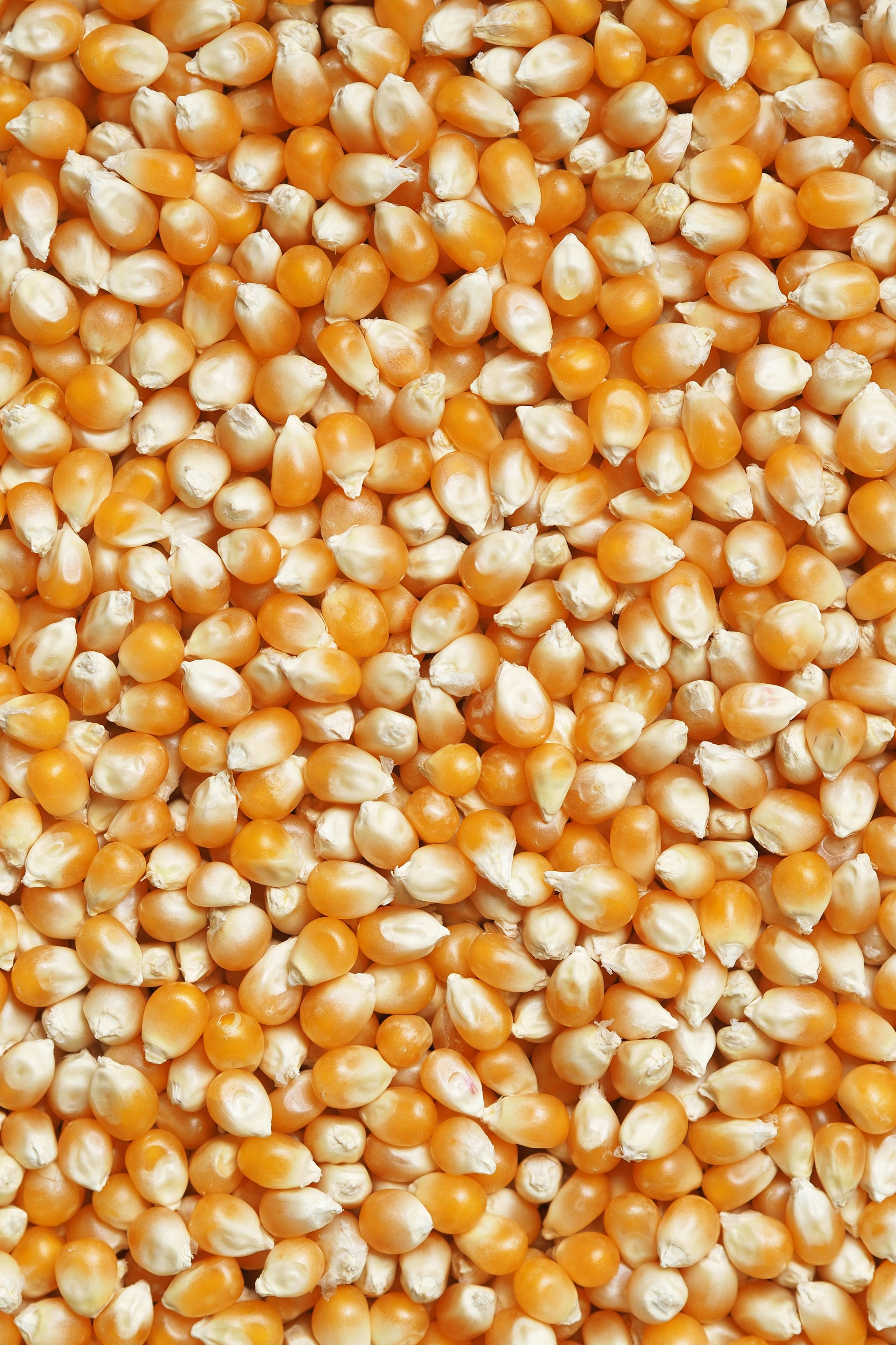
The transformation of corn from its simple origins in the field to its myriad forms in the market is a meticulous process marked by a series of fascinating steps. Harvesting is where this journey begins, as farmers carefully gather the mature ears of corn, typically in late summer or early autumn. Once harvested, the corn undergoes several stages: drying, which reduces the moisture content, followed by shelling, where the kernels are separated from the cob. These kernels are then cleaned and sorted, ensuring only the best quality moves forward. Understanding these initial processes highlights the essential nature of sustainability and tradition in modern agricultural practices, ensuring a reliable supply chain for one of the world’s most versatile grains.
As kernels make their way through various processing techniques, their potential expands immensely. milling converts whole corn into grits or flour, allowing it to be the foundation for countless products. The next step involves refining, leading to ingredients like high-fructose corn syrup and corn starch, which enter the food industry and beyond. the industrial pathway also embraces the by-products created during these processes. From animal feed to biofuels, corn’s versatility creates an interconnected web of uses. At this stage, the journey culminates in both nourishment and innovation, showcasing corn’s vital role not just in diets but in the broader economy.
| Stage | Description |
|---|---|
| Harvesting | Collecting mature ears of corn. |
| Drying | Reducing moisture content for storage. |
| Shellying | Removing kernels from the cob. |
| Milling | Transforming corn into usable products. |
| Refining | Creating ingredients like corn syrup and starch. |

Unlocking the Secrets of Efficient corn Processing Techniques
Efficient corn processing techniques are key to maximizing yield and ensuring a seamless transition from raw material to refined product. To achieve optimum results, processors focus on several critical methods that not only enhance productivity but also preserve the quality of the corn. Some of the essential techniques include:
- Dry Milling: This process involves grinding the corn kernel into a powder, ideal for producing flour, starch, and other corn-based ingredients.
- Wet Milling: Contrary to dry milling, wet milling extracts valuable components such as gluten, starch, and oil, offering diverse applications in food and biofuels.
- Nixtamalization: A traditional technique where corn is soaked and cooked in an alkaline solution, enhancing flavor and digestibility, and is particularly popular in tortilla production.
Moreover, technology plays a vital role in refining these methods. Automation and advanced machinery have streamlined processes,reducing waste and elevating efficiency. Considerations like temperature control and processing time can significantly influence the quality and nutritional value of the end products. An illustrative comparison of these techniques showcases their unique benefits:
| Technique | Advantages | Applications |
|---|---|---|
| Dry Milling | Lower water usage,longer shelf life | Flour,snacks,ethanol production |
| Wet Milling | Higher yield for starch and syrups | Sweeteners,biofuels,food products |
| Nixtamalization | Improved flavor and nutritional profile | Tortillas,tamales,masa products |
Exploring the nutritional Benefits and Versatility of Corn Products
Corn, often considered a staple ingredient in many households, extends beyond its role as a side dish. its products exhibit a remarkable range of nutritional benefits that cater to diverse dietary needs. For instance, whole corn is a fantastic source of fiber, supporting digestive health and promoting satiety. Additionally, corn is rich in key vitamins and minerals such as Vitamin B6, magnesium, and potassium, which play significant roles in maintaining overall well-being. The versatility of corn allows it to be transformed into a variety of products, making it easier for individuals to incorporate these nutrients into their daily diets. From grits to polenta,the options are vast and cater to various culinary practices.
Embracing corn products also presents an opportunity to explore innovative culinary applications. consider how corn can easily adapt into both sweet and savory dishes. Some popular corn products include:
- Cornmeal: Ideal for baking muffins and cornbread.
- Popcorn: A light and healthy snack, perfect for movie nights.
- Corn tortillas: A gluten-free option for wraps and tacos.
- Corn syrup: A sweetener widely used in desserts and beverages.
To further illustrate the variety within corn products and their benefits, the following table summarizes the nutritional content of select corn derivatives:
| Product | Total Carbohydrates (g) | Protein (g) | Fiber (g) |
|---|---|---|---|
| Cornmeal (1 cup) | 86 | 12 | 7 |
| Popcorn (3 cups, air-popped) | 18 | 3 | 4 |
| Corn tortillas (2 medium) | 30 | 4 | 2 |
| Corn syrup (1 tablespoon) | 17 | 0 | 0 |
As this exploration reveals, corn products not only enrich our diets with their vital nutrients but also inspire creative cooking. With their adaptability, these products can easily be reshaped into beloved comfort foods or modern culinary innovations, showcasing corn’s enduring significance in both tradition and contemporary cuisine.

Sustainable Practices in Corn Processing for a Greener Future
Corn processing has traditionally been an energy-intensive endeavor, but with the rise of sustainable practices, the industry is evolving towards a greener future. Key strategies include the implementation of biomass energy systems, which utilize corn’s byproducts to generate power for processing facilities.By tapping into these renewable energy sources, companies not only minimize their carbon footprint but also create a closed-loop system that maximizes resource efficiency. Other innovative approaches involve water conservation techniques, such as recycling and purification methods that reduce the amount of water needed in the processing cycle, ensuring that this vital resource is used judiciously.
Moreover, the adoption of sustainable packaging materials made from biodegradable substances is transforming how processed corn products are offered to consumers.This shift not only reduces plastic waste but also aligns with consumer preferences for environmentally kind options. Critical partnerships between corn growers and processors are also fostering sustainable agricultural practices, promoting soil health and biodiversity. These collaborations aim to minimize pesticide and fertilizer use, thereby safeguarding the surroundings while enhancing yield quality. Consequently, the corn processing industry is on a path that not only supports economic viability but resonates with the growing demand for sustainability in the global market.
| Practice | Description |
|---|---|
| Biomass Energy | Utilizing corn byproducts to generate energy for processing. |
| Water Recycling | Implementing systems to reduce water consumption in processing. |
| Sustainable Packaging | Using biodegradable materials to package corn products. |
| Collaborative Farming | Partnering with growers to promote sustainable agricultural practices. |
The Way Forward
As we draw the curtain on our exploration of corn’s remarkable journey from humble cob to prized commodity, it’s evident that this versatile grain is far more than meets the eye. The secrets of corn processing unveil a world rich with innovation, tradition, and sustainability, illustrating how this ancient crop continues to shape our diets, industries, and economies. Whether it’s the creation of biofuels, the formulation of animal feeds, or the endless culinary possibilities it offers, corn remains a pivotal player on the global stage.
As we contemplate the future of corn and its processing techniques, we are reminded of our connection to the land and the importance of sustainable practices. Each kernel tells a story of evolution and adaptation, inviting us to appreciate not only the intricacies of its processing but also the broader implications of our agricultural choices. So, as you enjoy your next meal or consider the products you use in daily life, take a moment to recognize the journey that corn has taken. From its roots in the earth to its role in modern commerce, corn continues to nourish and inspire, embodying the spirit of innovation and the promise of a sustainable future.