
In the heartland of agriculture, where golden fields stretch toward the horizon, corn stands as a quintessential symbol of sustenance and industry. From its humble beginnings as a cob plucked from the earth, corn undergoes a remarkable transformation that elevates it to a vital commodity in the global market. The journey from cob to commodity is not just a tale of agricultural prowess; it is a celebration of the art and science of corn processing. In this exploration, we will delve into the intricate steps that convert this versatile grain into a plethora of products, illuminating the innovative techniques and time-honored traditions that define the corn processing industry. Join us as we uncover the layers of this multifaceted transformation, revealing how a simple stalk of corn has woven itself into the very fabric of our economy and daily life.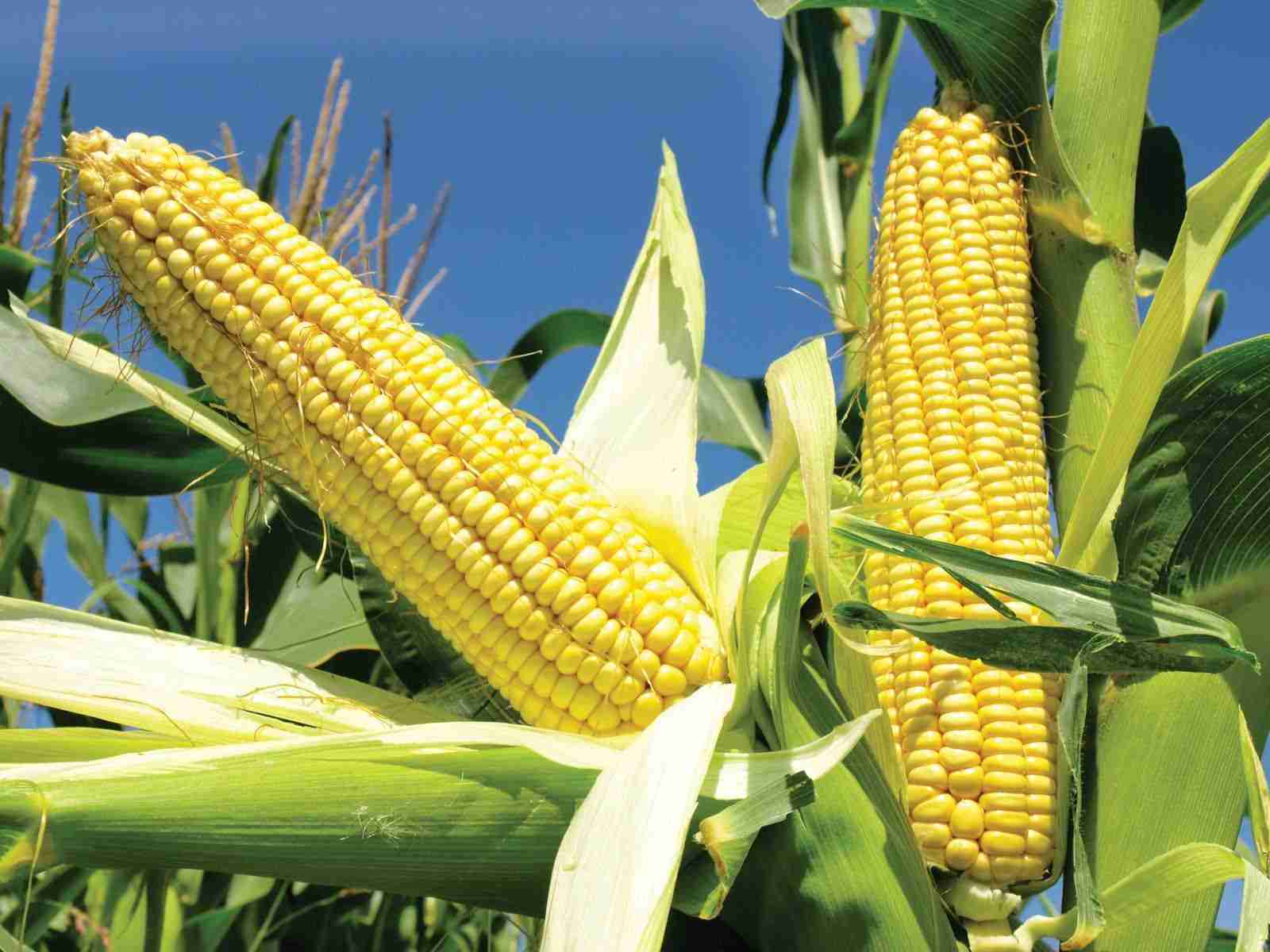
The Journey from Field to Flour: Understanding Corn Cultivation and Harvesting
Corn cultivation begins with careful soil preparation and selection of the right variety based on climate and soil conditions. Farmers often choose between hybrids and heirloom varieties, each offering unique flavors and characteristics. The process involves several key steps:
- Soil Testing: Analyzing nutrient levels ensures optimal growth.
- Planting: Seeds are sown in rows, usually in late spring.
- Water Management: Adequate irrigation is vital during dry spells.
- Pest Control: Integrated pest management protects the crops without harming the environment.
As summer arrives, corn plants grow tall and lush, until the time for harvesting draws near. The key indicators of ripeness include husks drying out and kernels hardening. Farmers use a variety of harvesting methods, often depending on the scale of their operation:
| Harvesting Method | Description |
|---|---|
| Manual Harvesting | Labor-intensive; involves hand-picking ears of corn. |
| Mechanical Harvesting | Utilizes specialized machinery for efficiency. |
Once collected, corn can be processed in various ways, transforming the humble cob into a versatile commodity that supports industries from food production to biofuels. Each stage of this journey emphasizes the balance between agricultural tradition and modern technology.

Transforming Nature: Innovative Methods in Corn Processing Techniques
The journey of corn from its natural state to a market-ready product involves a fascinating blend of tradition and technology. Innovative approaches in corn processing have emerged, revolutionizing not just the efficiency of production but also enhancing the quality and versatility of corn-derived products. Techniques such as wet milling and dry milling serve as the foundation for extracting valuable components like starch, fiber, and oils. These processes allow for the creation of an extensive range of products, including biofuels, sweeteners, and even biodegradable plastics. The use of advanced machinery paired with eco-friendly practices reflects a growing commitment to sustainability within the industry.
Incorporating state-of-the-art technologies, processors are now able to improve yield and minimize waste. Automation and computer-controlled systems facilitate precision in processing, allowing for consistent particle size and quality control. Furthermore, innovative methods such as fermentation and enzymatic processing are paving the way for new culinary experiences and health-oriented products. The following table highlights some of the emerging techniques and their applications:
| Processing Technique | Application | Benefits |
|---|---|---|
| Wet Milling | Starch and sweeteners | Higher yield and quality |
| Dry Milling | Cornmeal and snacks | Lower energy consumption |
| Fermentation | Biofuels and alcoholic beverages | Renewable energy source |
| Enzymatic Processing | Health supplements | Improved digestibility |
Through these cutting-edge methods, the corn industry is embracing a future where each cob is nurtured not just for its traditional uses but as a gateway to a variety of innovative products. These advances not only reflect an evolving agricultural landscape but also a deepened respect for the resources our natural world provides.

From Grits to Ethanol: Exploring the Diverse Uses of Corn in Modern Industry
Corn, often regarded as a humble staple in many households, has found its way into a myriad of industrial applications, proving that its value extends far beyond the dinner plate. From food products like cornmeal, corn syrup, and snack foods to vital components in bioplastics and adhesives, the versatility of corn cannot be overstated. Additionally, the agricultural residues of corn, such as stalks and husks, are increasingly being repurposed as eco-friendly materials in products ranging from furniture to building insulation. This transformation not only showcases the ingenuity of modern processing techniques but also highlights the sustainable practices that are becoming pivotal in today’s economy.
Perhaps one of the most transformative uses of corn is in the production of ethanol, a renewable fuel that serves as a cleaner alternative to fossil fuels. This process involves fermenting the sugars found in cornstarch, contributing to a significant reduction in greenhouse gas emissions when used as a fuel source. Furthermore, corn oil, extracted from the germ, plays a critical role in biodiesel production. Here’s a brief exploration of corn’s multifaceted capabilities:
- Food Products: Grits, popcorn, sweeteners
- Industrial Uses: Bioplastics, adhesives, absorbents
- Fuel: Ethanol, biodiesel
- Animal Feed: By-products such as distillers grains
| Use Case | Application |
|---|---|
| Food | Cornmeal, snacks, sweeteners |
| Biodiesel | Renewable fuel source |
| Bioplastics | Eco-friendly packaging |
| Animal Feed | High-energy supplement |

Sustainability in Corn Processing: Best Practices for a Greener Future
In the journey from cob to commodity, embracing sustainable practices in corn processing is essential for ensuring that this versatile grain remains a viable resource for generations to come. Key strategies include optimizing energy usage, reducing waste, and utilizing byproducts effectively. For instance, implementing energy-efficient machinery and adopting renewable energy sources can significantly decrease the carbon footprint of processing facilities. Additionally, creating an integrated waste management system can turn potential waste into valuable secondary products, fostering a circular economy within the industry.
Moreover, focus on sustainable sourcing and responsible agricultural practices plays a crucial role in enhancing the overall sustainability of corn processing. Establishing partnerships with local farmers who use regenerative farming techniques not only helps in minimizing environmental impact but also supports the local economy. Alongside this, implementing water conservation measures and monitoring soil health can lead to improved crop yields over time. Below is a brief overview of some best practices:
| Best Practices | Description |
|---|---|
| Energy Efficiency | Invest in machinery that uses less energy to operate. |
| Waste Utilization | Transform byproducts into compost, biofuels, or animal feed. |
| Responsible Sourcing | Partner with farmers practicing eco-friendly cultivation methods. |
| Water Management | Implement irrigation systems that conserve water resources. |
In Retrospect
As we peel back the layers of corn’s journey from cob to commodity, we uncover a narrative rich with tradition, innovation, and versatility. This humble grain, often overlooked in its raw form, transforms into a tapestry of products that permeate our daily lives—fueling not just our bodies, but economies, industries, and cultures. The art of corn processing stands as a testament to human ingenuity, striking a delicate balance between time-honored practices and modern advancements.
From the fields where corn is cultivated to the factories where it is meticulously transformed, every step in this process tells a story of creativity and resourcefulness. It invites us to reconsider our relationship with food, pushing us to explore the potential that lies within each kernel. As we move forward, let us celebrate corn not just as a staple, but as a symbol of possibility and progress—a true powerhouse in the tapestry of global sustenance.
In closing, the tale of corn processing is much more than merely turning crops into commodities; it is an ongoing exploration of our capacity to adapt, innovate, and appreciate the intricate connections that bind us to the earth and our shared history. May we continue to nurture this relationship, honoring both the past and the future of this remarkable grain.




