
Corn Processing: Unveiling the Journey from Field to Factory
Corn, often regarded as a humble staple, plays a monumental role in the fabric of our food systems and industries. From the golden fields swaying gently under the sun to the bustling factories where it transforms into an array of products, the journey of corn is a fascinating tale of nature’s bounty meeting human ingenuity. This article embarks on a comprehensive exploration of corn processing, illuminating each step of the journey that this versatile crop takes—from harvest to processing and beyond. As we delve into the methods, technologies, and innovations that shape its journey, we will uncover not just the significance of corn in our diets but also its impact on the global economy and the environment. Join us as we unveil the intricate pathways that lead corn from the fertile earth to your kitchen and beyond, showcasing its undeniable role as a cornerstone of modern life.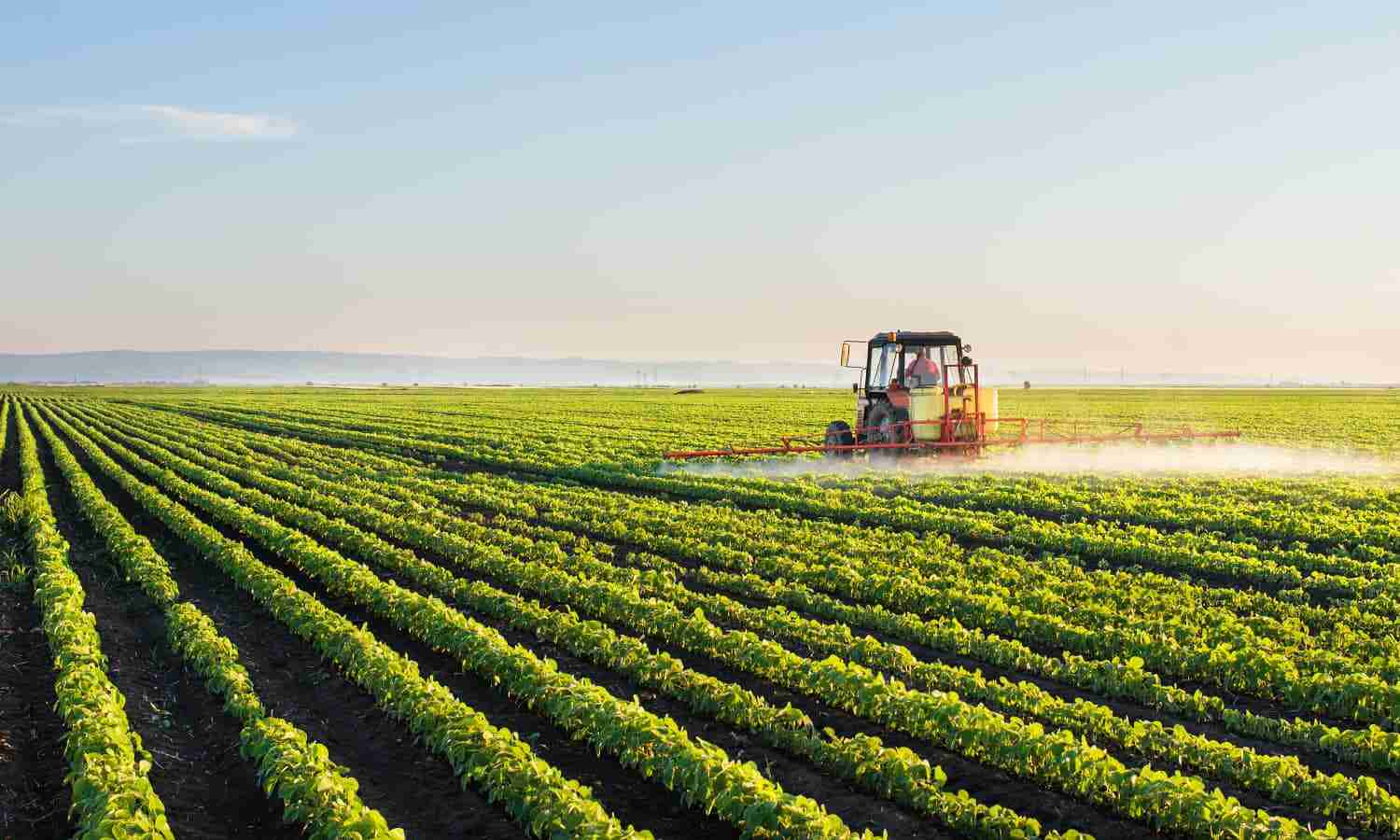
Understanding the Agricultural Backbone of Corn Production
At the heart of corn production lies a complex network of agricultural practices and innovations that form the backbone of this essential crop. Farmers utilize a blend of traditional methods and modern technology to cultivate corn effectively. Key aspects include:
- Crop Rotation: A strategy employed to maintain soil health and nutrient balance.
- Precision Agriculture: Utilizing GPS and data analytics to optimize planting and harvesting.
- Pest Management: Implementing integrated pest management (IPM) techniques to minimize crop damage.
- Soil Fertility: Regular testing and amendment of soil with organic and synthetic fertilizers.
The journey of corn from field to factory is also guided by a keen understanding of environmental factors. Weather conditions, irrigation practices, and sustainability considerations play a crucial role in determining yield and quality. Moreover, farmers are increasingly adopting practices such as:
- Conservation Tillage: Reducing soil disturbance to improve health and water retention.
- Cover Cropping: Planting crops between main growing seasons to enhance soil nutrients.
- Water Management: Efficient irrigation techniques to save water while maximizing crop production.
| Practice | Benefit |
|---|---|
| Crop Rotation | Improves soil fertility and reduces pest pressure. |
| Precision Agriculture | Increases efficiency and minimizes waste. |
| Cover Cropping | Enhances soil structure and reduces erosion. |
Exploring the Transformation Processes in Corn Milling
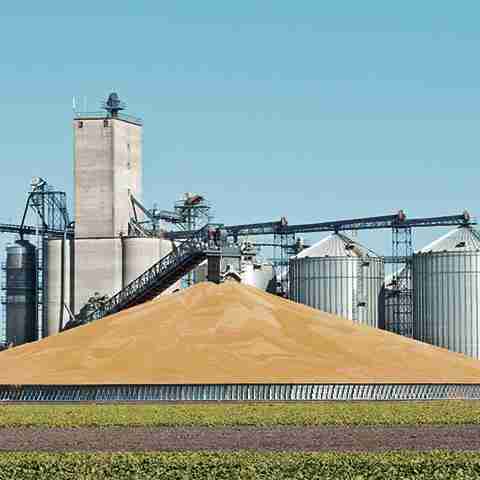
The journey of corn from field to factory involves a series of intricate transformation processes that are both fascinating and essential for producing a variety of corn-based products. Once harvested, corn undergoes a meticulous selection process, where only the best ears are chosen for milling. This initial step ensures that the raw material possesses desirable characteristics, such as moisture content and kernel integrity. Following selection, corn is subjected to cleaning, which involves removing impurities such as dirt, dust, and foreign materials, and then to drying, where moisture levels are adjusted to optimize milling efficiency.
Once cleaned and dried, the kernels enter the actual milling phase, a systematic breakdown designed to extract valuable starches and proteins. The milling process can be segmented into several key stages, including:
- Grinding: Breaking down the kernels into meal or flour.
- Sifting: Using screens to separate different particle sizes.
- Classifying: Organizing the milled products based on texture and particle size.
This transformation ultimately leads to the different end products we know, from corn flour and cornmeal to grits and starches, each with its own unique characteristics and applications. In factories, the integration of technology further enhances these processes, ensuring consistency and quality in every batch of corn products produced.

Innovative Technologies Shaping Corn Processing Efficiency
The corn processing industry is undergoing a transformation thanks to the emergence of cutting-edge technologies that enhance efficiency and sustainability. Automation plays a pivotal role, with systems designed to monitor and control every aspect of the processing line. Smart sensors gather real-time data on variables such as temperature, moisture content, and flow rates, allowing for immediate adjustments that optimize performance. Moreover, artificial intelligence is utilized to analyze this data, predicting maintenance needs and ensuring minimal downtime, thus improving overall productivity.
In addition to automation and AI, innovative extraction methods are revolutionizing the way we process corn. Techniques such as ultrasound-assisted extraction and enzyme applications are becoming increasingly popular, as they reduce energy consumption and enhance yield. The integration of biotechnology also plays a critical role, enabling the development of corn varieties that are not only more resilient but also content-rich, streamlining the processing stages. As these technologies converge, they form an ecosystem that not only boosts efficiency but also adheres to stricter environmental standards, paving the way for a more sustainable future in corn processing.

Sustainable Practices for a Greener Corn Industry
Implementing sustainable practices in the corn industry not only preserves the environment but also promotes better economic stability for farmers and producers. An essential approach is the use of crop rotation and cover crops, which enhances soil fertility and reduces the need for chemical fertilizers. By diversifying crops, farmers can prevent the depletion of specific nutrients and bolster the resilience of their fields against pests and diseases. Additionally, adopting precision agriculture technologies helps optimize resource use, ensuring that water and fertilizers are applied only where needed, significantly reducing waste.
Water conservation is another critical component of sustainable corn processing. Techniques such as drip irrigation and rainwater harvesting can vastly improve water management, allowing farmers to maximize their yields while minimizing consumption. Furthermore, the shift towards biodegradable packaging in the corn processing industry is gaining momentum, significantly decreasing plastic waste and aligning with global sustainability goals. A concerted effort toward sustainable practices not only enhances the environmental footprint of the corn industry but also encourages consumer trust and loyalty.
Future Outlook
As we draw the curtain on this exploration of corn processing, it’s clear that the journey from field to factory is a tapestry woven with intricate threads of agriculture, technology, and innovation. Each kernel carries with it the legacy of dedicated farmers, advanced machinery, and the relentless pursuit of efficiency and quality. From the sun-soaked fields where corn begins its life to the bustling factories where it transforms into ingredients that touch our everyday lives, the story of corn is one of resilience and adaptation.
As we continue to uncover the potential of this versatile crop, it becomes evident that corn processing is not just about the production of food; it reflects broader themes of sustainability, economy, and community. The next time you savor a bowl of cornflakes, indulge in a jar of corn syrup, or enjoy the myriad products derived from this humble grain, take a moment to appreciate the complex journey that made it possible.
In a world that increasingly seeks connection to our food sources, understanding the processes behind corn and its derivatives reminds us of the significance of the agricultural systems that nurture and sustain us. Let this knowledge inspire not just appreciation but also informed choices as we navigate the landscape of modern consumption. After all, every meal is a story waiting to be told, and corn ensures that the narrative is rich, diverse, and full of potential.




