
Introduction:
In the heartland of America, where golden fields stretch as far as the eye can see, a humble yet extraordinary crop thrives – corn. Often celebrated for its role in traditional agriculture, corn transcends its culinary roots, evolving into an essential component of numerous industries. “Corn Processing Unveiled: Transforming Nature’s Golden Grain” invites readers to embark on an enlightening journey through the intricate transformation of this versatile grain. From farm to factory, we’ll explore the sophisticated techniques that extract value from corn, revealing how it fuels not only our tables but also our economy, energy sources, and even innovation in food technology. Join us as we peel back the layers of processing, uncovering the remarkable journey that turns nature’s golden grain into a multifaceted marvel.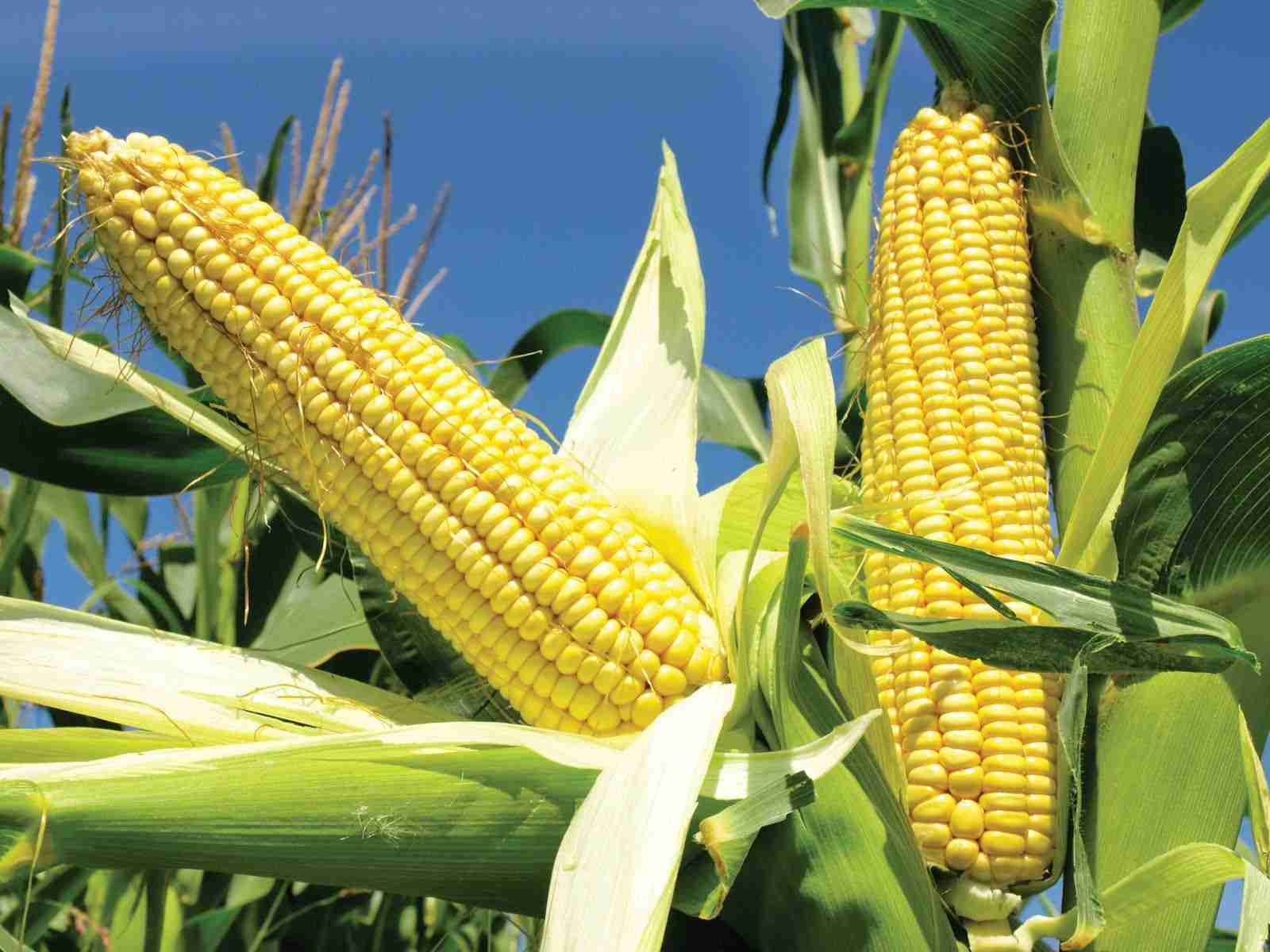
The Journey from Field to Fork: Understanding Corn Harvesting and Initial Processing
Corn, often dubbed as nature’s golden grain, undergoes a fascinating journey from the vast, sunlit fields to the table. The harvesting process begins when the kernels are ripe, their golden hue signaling it’s time for collection. Farmers utilize specialized machinery, such as combines, to efficiently gather and separate the cobs from the stalks. The first steps in processing involve:
- Drying: After harvest, the corn kernels are typically moisture-rich and require drying to prevent spoilage.
- Storage: Once dried, the kernels are transported to storage silos where they are kept at optimal conditions.
- Quality Assessment: Prior to processing, the corn is evaluated for quality, ensuring that only the best grains move forward.
Following these initial stages, the corn undergoes further processing to transform it into various products. This may include procedures like milling and grinding, which break down the kernels into flour or meal, facilitating easy incorporation into food items. Additionally, corn can be processed into syrup, starch, or even biofuel, showcasing its versatility. The transformation can be summarized as follows:
| Product | Processing Method |
|---|---|
| Corn Flour | Milling |
| Corn Syrup | Enzymatic Breakdown |
| Starch | Separation and Purification |
| Biofuel | Fermentation |
This sophisticated interplay between nature and technology allows us to enjoy a plethora of corn-based products, highlighting the significant journey from field to fork.
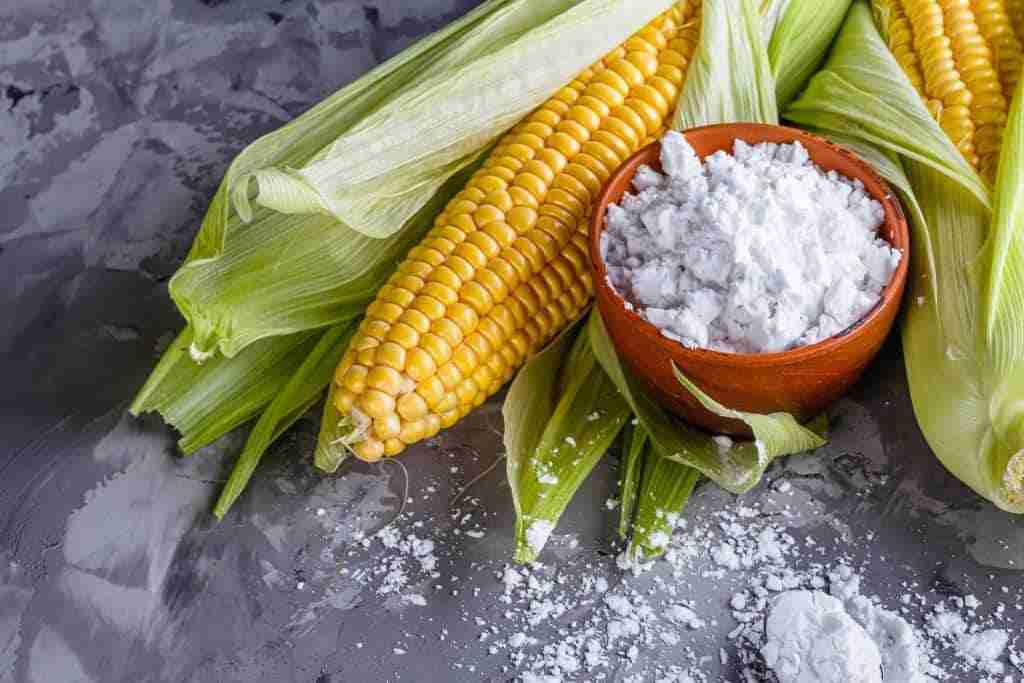
Unlocking Versatility: The Diverse Applications of Processed Corn in Industries
Corn, often dubbed as nature’s golden grain, has seen its transformation through processing into a plethora of products that cater to various industries. From food to pharmaceuticals, the versatility of processed corn is remarkable. In the culinary realm, corn starch and corn syrup serve as essential ingredients in many recipes, enhancing flavors and textures. Meanwhile, the snack food industry has embraced corn-based items such as popcorn and corn chips, providing consumers with delightful crunchy experiences. Beyond food, bioplastics created from processed corn starch are paving the way for eco-friendly packaging solutions, showcasing how this grain can contribute to sustainability efforts.
In addition to its contributions to food and environmentally-conscious products, processed corn plays a crucial role in animal feed. Its high energy density and nutritional value make it a staple in livestock diets. The pharmaceutical industry also benefits from corn through its derivatives, which are utilized in the production of excipients and other medicinal products. Furthermore, corn is making waves in the renewable energy sector, with bioethanol derived from fermented corn serving as a cleaner alternative to fossil fuels. As the applications for processed corn continue to expand, it is clear that this versatile grain is far more than just a staple on our dinner plates.

Nutritional Insights: The Health Benefits of Corn and Its Byproducts
Corn, often referred to as “nature’s golden grain,” is not just a staple food but a powerhouse of nutrition. Its main carbohydrate, starch, provides a significant source of energy. In addition to being low in fat, corn is rich in various essential nutrients, including vitamins B1 (thiamine) and B9 (folate), as well as minerals such as magnesium and phosphorus. The bright yellow kernels are also packed with antioxidants like lutein and zeaxanthin, which support eye health and may lower the risk of age-related macular degeneration. These components make corn an excellent addition to a balanced diet, promoting overall well-being.
Beyond its kernels, corn processing yields an array of byproducts that further enhance its health benefits. Products such as cornmeal, corn flour, and corn oil provide versatile options for different culinary needs. Some notable advantages of corn and its byproducts include:
- Fiber-rich options: Corn’s high fiber content aids in digestion and helps maintain healthy blood sugar levels.
- Low glycemic index: Whole corn products have a lower glycemic index than other grains, making them suitable for individuals managing diabetes.
- Gluten-free alternative: Corn is naturally gluten-free, offering a safe option for those with celiac disease or gluten sensitivity.
To provide a clearer picture of the nutritional content found in various corn products, refer to the table below:
| Product | Calories (per 100g) | Protein (g) | Fiber (g) | Vitamins |
|---|---|---|---|---|
| Corn (whole kernel) | 96 | 3.4 | 2.4 | B1, B9 |
| Cornmeal | 370 | 9.9 | 7.3 | B1, B3 |
| Corn flour | 365 | 8.1 | 7.3 | B2, B3 |
| Corn oil | 884 | 0 | 0 | E |
The extraordinary versatility of corn and its derivatives signifies that they play a crucial role not only in food security but also in enhancing nutritional health. Incorporating these golden grains into daily meals can lead to lasting benefits and enrich one’s diet in multiple ways.

Sustainable Practices: Recommendations for Eco-Friendly Corn Processing Methods
Embracing sustainable practices in corn processing is essential for minimizing environmental impact while maximizing efficiency. One approach involves utilizing renewable energy sources during processing to reduce carbon footprints. The integration of solar panels or wind turbines in processing facilities can significantly lower reliance on fossil fuels. Additionally, biogas recovery systems can be employed to convert waste materials, such as husks and cobs, into energy. This not only helps in energy generation but also promotes a circular economy where waste is repurposed rather than discarded.
Another effective strategy is the adoption of water-efficient technologies to ensure that corn processing techniques conserve precious freshwater resources. Techniques such as closed-loop water systems can recycle water used during processing, thereby reducing overall consumption. Furthermore, investing in biodegradable packaging for corn-based products can mitigate plastic waste and contribute to a more sustainable product lifecycle. By prioritizing these eco-friendly methods, the corn processing industry can contribute significantly to environmental conservation and set an example for sustainable agricultural practices.
In Retrospect
As we draw the curtain on our exploration of corn processing, it becomes clear that this humble grain is far more than just a staple in our diets. From ethanol production to the myriad food products gracing our tables, corn stands as a testament to innovation and adaptability in agriculture and industry alike. The journey of corn from field to processing facility reveals the intricate dance of technology and nature, highlighting the potential for sustainability and efficiency in harnessing natural resources.
Indeed, as we transform nature’s golden grain, we not only reshape our food systems but also reimagine our relationship with the land. The advances in corn processing reflect a broader narrative: one of discovery, responsibility, and progress. As we continue to unveil the possibilities of corn, it invites us to be mindful stewards of this versatile crop, ensuring that its benefits resonate for generations to come.
So, whether you’re savoring a bowl of popcorn, fueling your vehicle, or enjoying a sweet corn-on-the-cob at a summer barbecue, remember that each kernel carries with it a rich story—one that blends tradition with modernity, and agriculture with innovation. Thank you for joining us on this journey through the world of corn processing; may we continue to appreciate and explore the wonders this golden grain has to offer.




