
Title: Corn Processing: Transforming Nature’s Bounty into Versatility
Introduction:
From the rolling fields of golden maize to the bustling factories where innovation meets tradition, the journey of corn is a testament to nature’s ingenuity and human capability. Corn, often regarded as a humble staple, transforms into an astonishing array of products that touch virtually every aspect of our daily lives. This remarkable grain is not just a source of sustenance; it is a versatile ingredient that finds its way into foods, fuels, and countless industrial applications. As we delve into the world of corn processing, we uncover a fascinating narrative of transformation — a process that takes this abundant resource and enhances its value, flavor, and utility. Join us as we explore the intricate methods that turn nature’s bounty into a cornerstone of modern innovation, revealing the hidden potential of a crop that has shaped cultures and economies around the globe.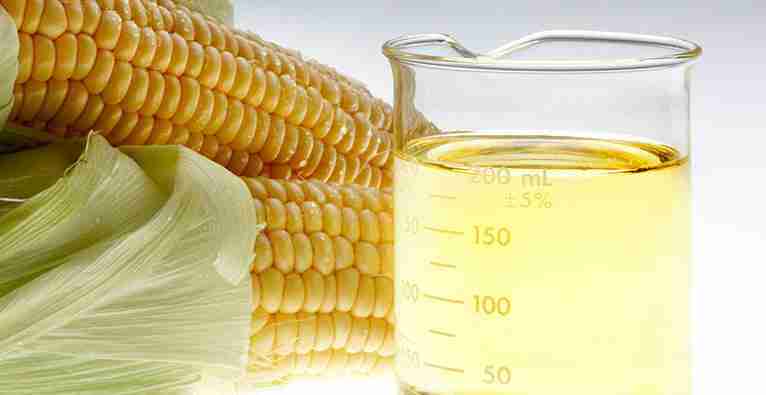
Understanding the Corn Processing Journey from Field to Factory
Corn processing is an intricate journey that begins in the fields, where farmers carefully cultivate maize from the soil. The life cycle of corn commences with meticulous planting, harnessing the right conditions of sun, moisture, and nutrients to produce robust stalks. As the corn reaches maturation, harvest time is a critical phase, requiring specialized machinery to ensure that grains are collected efficiently while minimizing waste. Once harvested, the corn undergoes initial grading, where it is sorted based on quality, size, and moisture content, laying the groundwork for its transformation. Here’s a brief overview of the stages involved:
- Planting: Selecting high-quality seeds and optimal planting techniques.
- Growing: Monitoring growth patterns and managing environmental factors.
- Harvesting: Using advanced machinery to gather corn with precision.
- Sorting: Categorizing corn for quality assurance.
After the corn is sorted, it is transported to processing facilities where it undergoes a series of transformations. Various methods are employed to convert corn into a plethora of products that cater to diverse industries. This includes milling the kernels into flour, sweetening through the extraction of corn syrup, or even fermenting to produce ethanol. Below is a succinct representation of some key products derived from corn and their applications:
| Product | Applications |
|---|---|
| Corn Starch | Thickening agent in foods and industrial applications |
| Corn Oil | Cooking oil and ingredient in processed foods |
| Corn Syrup | Sweetener in beverages and candy |
| Ethanol | Biofuel and solvent in various products |

Innovative Techniques in Corn Refining and Their Impact on Product Quality
As the demand for high-quality corn-derived products continues to rise, the industry has embraced a variety of innovative techniques to enhance the refining process. Advanced technologies such as enzymatic processing and membrane filtration have revolutionized the way corn is transformed into value-added ingredients. Enzymatic approaches not only increase the yield of starch and glucose but also help to refine the flavor profile of syrups and sweeteners. Membrane filtration allows for precise separation of components based on size and characteristics, enabling the production of pure starch or protein isolates while minimizing waste. These methods are leading the way in optimizing resource use, pushing the boundaries of what can be achieved from this versatile crop.
The impact of these refining techniques on product quality can be seen across several applications, from food to industrial uses. For instance, high-fructose corn syrup produced through enzymatic treatment has become a staple in the beverage industry, offering a sweetener with improved sweetness and reduced caloric content. Additionally, the use of superior filtration processes has elevated the purity levels of corn oil, making it a healthier choice for cooking and frying. To illustrate these advancements, the table below highlights key techniques and their benefits:
| Technique | Benefits |
|---|---|
| Enzymatic Processing | Increased yield, enhanced flavor, reduced costs |
| Membrane Filtration | Higher purity, less waste, precise separation |
| Dry Milling | Better texture, versatile end products, efficient processing |
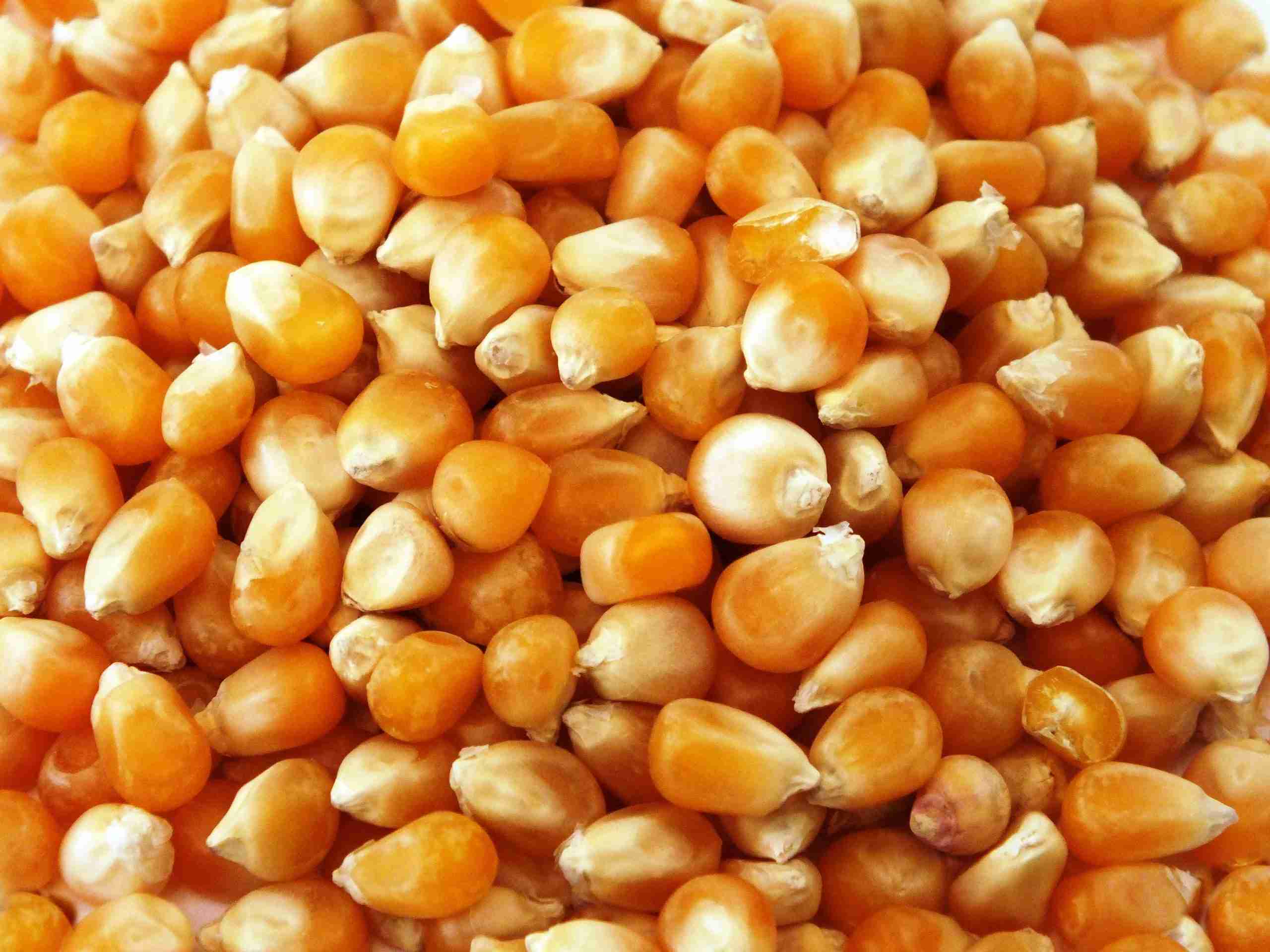
Exploring the Diverse Applications of Processed Corn in Multiple Industries
Corn, often hailed as one of nature’s most versatile crops, undergoes a transformation through processing that unlocks a treasure trove of applications across various sectors. In the food industry, processed corn takes center stage, making its way into an array of products that cater to diverse consumer preferences. Ingredients like corn syrup, cornmeal, and cornstarch are prevalent in grocery aisles, serving not just as staples in traditional dishes but also as thickening agents and sweeteners. The emphasis on natural and gluten-free options has further propelled the demand for corn derivatives, leading to innovations such as corn tortillas and snack foods that blend flavor with nutritional benefits.
Beyond the culinary world, processed corn extends its reach into industries that may surprise many. In the biotechnology sector, it plays a vital role in producing biofuels like ethanol, showcasing its potential in addressing energy needs. Furthermore, the pharmaceutical industry harnesses corn to obtain compounds that aid in drug formulation and manufacturing. The agricultural sector isn’t left behind, as processed corn is essential in feed formulations, contributing significantly to livestock nutrition. With its multifaceted applications, it’s clear that processed corn serves as a cornerstone in some of the world’s most critical industries.
| Industry | Application | Benefit |
|---|---|---|
| Food | Corn syrup, Cornstarch, Snack foods | Versatile ingredients, Gluten-free options |
| Energy | Ethanol production | Renewable energy resource |
| Pharmaceutical | Drug compounds | Essential in drug formulation |
| Agriculture | Animal feed | Nourishment for livestock |

Sustainability Practices in Corn Processing for a Greener Future
The corn processing industry is increasingly embracing innovative methods to minimize its environmental footprint while maximizing efficiency. One of the key strategies involves the optimization of water usage throughout the production stage. By implementing closed-loop systems, processors recycle water used in cooking and washing, reducing wastewater and the demand on local water sources. Additionally, adopting renewable energy sources—such as solar and wind energy—can significantly decrease greenhouse gas emissions associated with traditional fossil fuel-powered processing plants. Other sustainability practices include:
- Utilizing biodegradable materials for packaging
- Implementing waste reduction techniques, such as converting by-products into animal feed or biofuels
- Encouraging local sourcing of corn to reduce transportation emissions
Moreover, educational initiatives aimed at growers and consumers help foster an understanding of sustainable practices. By collaborating with farmers, processors can implement crop rotation and cover cropping techniques, which improve soil health and reduce the need for chemical fertilizers. This holistic approach not only enhances the sustainability of corn production but also supports the livelihoods of local farming communities. With the rise of innovative processing technologies, the industry is carving out a path towards a sustainable future, transforming the way we utilize one of nature’s most versatile crops.
| Sustainability Practices | Benefits |
|---|---|
| Water Recycling | Reduces waste and conserves resources |
| Renewable Energy | Minimizes carbon footprint |
| Biodegradable Packaging | Decreases plastic waste |
| Waste Conversion | Maximizes resource usage |
Closing Remarks
In the intricate dance between nature and industry, corn stands as a remarkable performer, transforming from a humble grain into a versatile cornerstone of our modern world. As we’ve explored the myriad processes that elevate corn into a spectrum of products—ranging from sweeteners and starches to biofuels and bioplastics—it becomes clear that this golden crop is more than just a staple on our plates. It is a testament to human ingenuity and the pursuit of sustainability.
As we move forward in our quest for innovative solutions to the challenges of feeding a growing population and protecting our planet, the importance of corn processing cannot be overstated. Each kernel represents the potential for a greener, more resourceful future. In embracing this remarkable agricultural resource, we are not just processing corn; we are unlocking nature’s potential, one versatile application at a time.
So next time you encounter a product derived from corn, take a moment to appreciate the journey it undertook—from field to processing plant, and to your hands. corn teaches us that even the simplest of gifts from nature can lead to extraordinary transformations—inviting us all to think creatively about the resources at our disposal.




