
Cereal Processing: The Journey from Grain to Breakfast Bowl
Every morning, millions of people across the globe greet the day with a bowl of cereal, a seemingly simple meal that encapsulates a rich tapestry of agricultural prowess, culinary innovation, and scientific ingenuity. Yet, the journey from grain to breakfast bowl is anything but straightforward. It is a complex process that begins in the fields, where grains are cultivated under the watchful eye of farmers, and extends to state-of-the-art processing facilities where technology meets tradition. This article delves into the fascinating world of cereal processing, exploring the meticulous steps involved in transforming raw grains into the beloved breakfast staples that nourish our bodies and fuel our mornings. Join us as we unpack the story behind your favorite cereals, revealing the meticulous craft that lies behind every crunchy flake and sweet puff.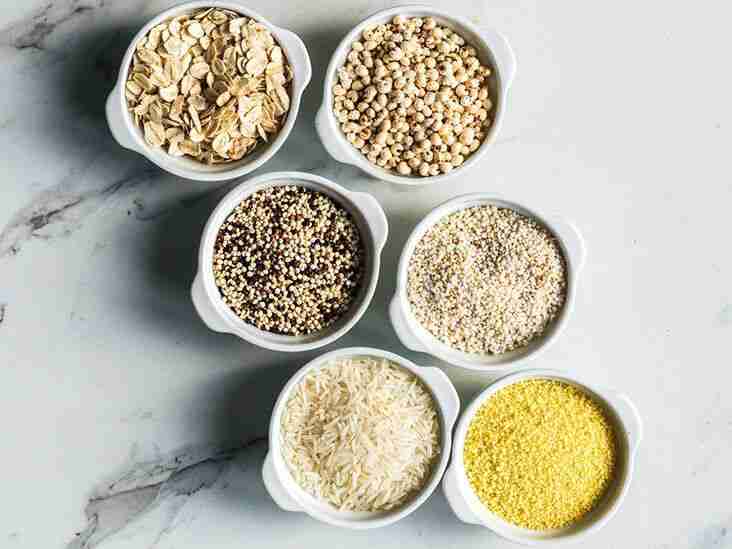
Exploring the Grain: A Deep Dive into Types and Quality
Understanding the various types of grains is essential when it comes to cereal processing. Each grain, from wheat to oats, offers a distinct flavor profile and nutritional value that can significantly affect the final product. Here are some common grain types used in cereal production:
- Wheat: Often ground into flour, it’s the backbone of many breakfast cereals.
- Oats: Known for their heart-healthy benefits, they’re often rolled or steel-cut.
- Rice: A versatile grain, it can be puffed or flaked for a light cereal option.
- Barley: High in fiber, it sometimes finds its way into granola varieties.
The quality of grain is a crucial factor in cereal production, influencing not only the texture and taste but also the nutritional profile. High-quality grains are selected based on specific criteria such as protein content, moisture level, and gluten strength. The following table illustrates key quality indicators for these grains:
| Grain Type | Protein Content | Moisture Level | Gluten Strength |
|---|---|---|---|
| Wheat | 12-15% | 13-15% | Strong |
| Oats | 12-17% | 9-11% | None |
| Rice | 7-8% | 12-14% | None |
| Barley | 10-12% | 12-14% | Moderate |
The Milling Marvel: Transforming Whole Grains into Flakes
In the world of cereal processing, the transformation of whole grains into delightful flakes is nothing short of a marvel. This process begins with carefully selecting quality grains known for their nutritional benefits and flavor profiles. Once harvested, these grains undergo a thorough cleaning, removing any impurities and preparing them for the next stage. The grains are then subjected to a meticulous milling procedure, where they are steamed to soften their outer layers, making them easier to flake. The flaking machines, equipped with powerful rollers, then flatten the grains, resulting in thin, crisp flakes that capture the essence of the whole grain.
The journey doesn’t end with flaking; it encompasses an array of steps that enhance both texture and flavor. After flaking, the cereal may be toasted, adding a delightful crunch and deepening the flavor profile. During this stage, manufacturers often infuse their flakes with natural ingredients, such as honey or fruit, creating a product that is not only nutritious but also tasty. Below is a simplified overview of this transformation process:
| Step | Description |
|---|---|
| Grain Selection | Choosing high-quality whole grains. |
| Cleaning | Removing impurities from the grains. |
| Steaming | Softening grains for easier flaking. |
| Flaking | Flattening grains into thin, crisp flakes. |
| Toasting | Enhancing flavor and crunchiness. |
This meticulous process ensures that every bowl of cereal not only provides essential nutrients but also tantalizes taste buds with its texture and flavor. By honoring the integrity of whole grains, cereal manufacturers create a breakfast staple that families can enjoy, knowing they are beginning their day with a wholesome meal crafted from nature’s finest ingredients.
Fortification and Flavor: Enhancing Nutritional Value in Processing
As the cereal journey unfolds, one of the pivotal steps in processing is the fortification phase, where essential nutrients are added to enhance the nutritional profile of the final product. Fortification not only aims to alleviate nutritional deficiencies but also plays a crucial role in improving the overall flavor and appeal of breakfast cereals. By incorporating a range of vitamins and minerals such as iron, vitamin D, and folic acid, manufacturers can provide consumers with a convenient way to boost their health while enjoying their morning meal. This approach not only benefits individual health but also helps promote better public health outcomes, especially in communities with limited access to a variety of foods.
Flavor is equally essential in this transformative process. To ensure that fortified cereals are not only nutritious but also palatable, food scientists meticulously select natural and artificial flavor enhancers during manufacturing. These flavorings, derived from sources like fruits, spices, and essential oils, can captivate the taste buds and create a more enjoyable eating experience. Consider the following popular flavor enhancers often used in cereal processing:
- Honey – Adds natural sweetness.
- Cinnamon – Provides warmth and comfort.
- Cocoa – Delivers a rich, chocolatey taste.
- Vanilla – Offers a classic, smooth flavor.
By marrying nutritional fortification with delightful flavors, cereal manufacturers can create products that meet both health needs and consumer desires, ultimately embarking on a successful journey from grain to the breakfast bowl.

Sustainability in Cereal Production: Innovations for a Greener Future
As global demand for cereals continues to rise, the industry is pivoting towards sustainable practices that not only meet consumer needs but also minimize environmental impact. Modern innovations are streamlining cereal production, focusing on methods that enhance efficiency and reduce waste. Key advancements include:
- Precision Agriculture: Utilizing technology such as drones and satellite imagery to monitor crop health, optimize resource use, and increase yields.
- Water Management Systems: Implementing advanced irrigation techniques that conserve water and promote healthy soil.
- Alternative Proteins: Exploring the incorporation of plant-based proteins into cereal products, reducing dependency on conventional agriculture.
Additionally, the shift towards regenerative farming practices is reshaping how cereals are grown. By focusing on soil health and biodiversity, farmers can enhance production while preserving ecosystems. This approach includes:
| Practice | Environmental Benefit |
|---|---|
| Crop Rotation | Improves soil fertility and reduces pest damage. |
| Cover Cropping | Prevents soil erosion and enhances moisture retention. |
| Integrated Pest Management | Minimizes chemical use and promotes beneficial insects. |
By prioritizing these sustainable practices, the cereal industry is not just producing food; it is cultivating a greener future that balances productivity with environmental stewardship.
The Conclusion
As we conclude our exploration of cereal processing, it becomes clear that the journey from grain to breakfast bowl is both intricate and fascinating. This transformation, a blend of science, engineering, and art, underscores the importance of each step—from harvesting the grains to the delicate balancing of flavors and nutrients.
Each flake and puff tells a story, not only of the ingredients but also of the people and processes behind them. The next time you pour your favorite cereal, take a moment to appreciate the myriad of hands that have contributed to this morning ritual—a ritual that has evolved over centuries and continues to adapt to modern tastes and dietary needs.
In a world increasingly concerned with sustainability and health, the cereal industry stands at a crossroads, poised to innovate while honoring its rich heritage. As we anticipate the future of breakfast, we can be assured that the humble grain will continue its vital role, nourishing minds and bodies one bowl at a time.




