
Behind the Grains: The Art and Science of Cereal Milling
In the hustle and bustle of modern life, breakfast cereals often serve as a quick nutritional fix, each spoonful a gateway to energy and sustenance. Yet, have you ever paused to consider the intricate journey that transforms humble grains into your daily breakfast staple? The process of cereal milling is an extraordinary blend of age-old traditions and cutting-edge technology, an art form steeped in science. Behind the seemingly simple process lies a delicate balance of precision and creativity, as millers harness both the natural qualities of grains and the latest innovations in food processing. In this exploration of cereal milling, we invite you to delve into the fascinating world where grain meets machine, and discover the skilled hands and scientific principles that shape the cereals on your table. Join us as we uncover the secrets behind the grains and unveil the meticulous craftsmanship that elevates cereal from field to bowl.
Exploring the Historical Journey of Cereal Milling Techniques
The journey of cereal milling techniques spans across centuries, transforming from simple, labor-intensive methods into sophisticated processes that accommodate modern agricultural advancements. Initially, early humans relied on rudimentary tools made of stone, such as mortar and pestle, to grind grains into flour. As civilizations evolved, so too did milling technology. By the time of the Egyptians, the introduction of the waterwheel allowed for substantial improvements in efficiency, leading to the establishment of the first organized milling operations. This innovation marked a pivotal moment in agriculture, as the ability to produce flour on a larger scale enabled the growth of urban centers and the specialization of various trades.
With the dawn of the Industrial Revolution, the landscape of cereal milling transformed dramatically. The introduction of steam power revolutionized milling, leading to the birth of roller mills that could produce a finer and more uniform flour compared to traditional stone mills. Today, these cookie-cutter mills utilize advanced technologies such as modern automation and sophisticated cleaning methods to ensure the quality and safety of the final product. Key milestones in milling history encompass:
- Water-powered mills: Early mechanization introducing efficiency and consistency.
- Steam-powered roller mills: Increased production and improved flour quality.
- Modern automation: Real-time monitoring and precise adjustments during milling processes.
- Quality assurance measures: Ensuring food safety and nutritional value in final products.
| Milling Technique | Era | Key Feature |
|---|---|---|
| Mortar and Pestle | Prehistoric | Manual grinding, labor-intensive |
| Water Wheel | Ancient Egypt | First mechanization for efficiency |
| Roller Mill | Industrial Revolution | Precision milling and automation |
| Advanced Automation | 21st Century | Real-time monitoring for quality control |
Understanding the Grain: Types, Properties, and Their Impact on Milling
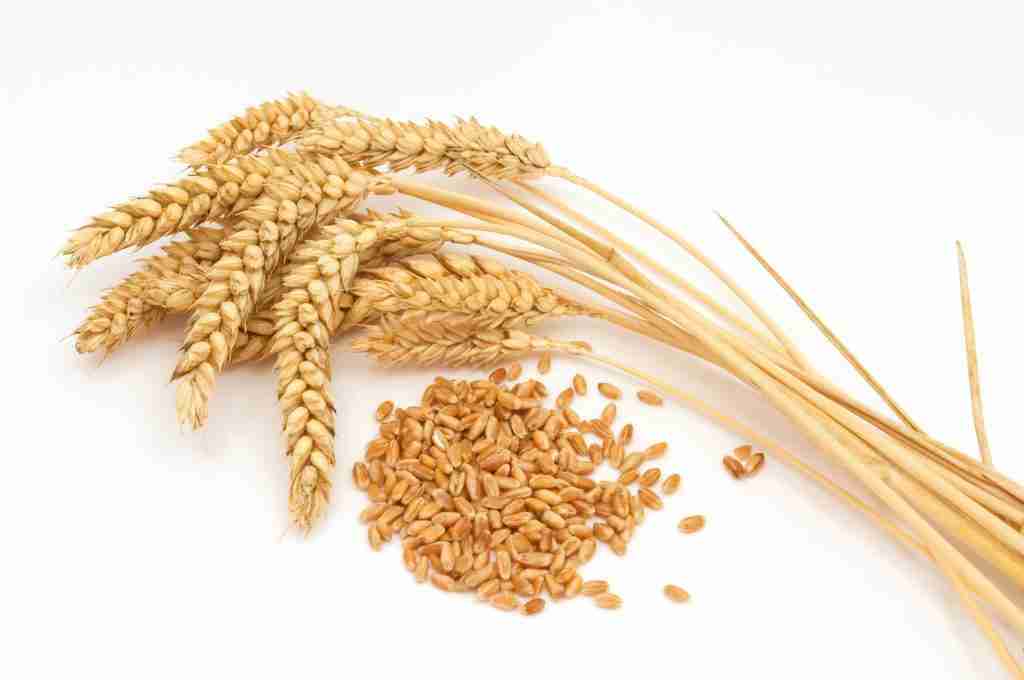
The world of cereal milling revolves significantly around the diverse types of grain, each with its unique properties and characteristics. Wheat, corn, rye, and barley are among the most common grains used in milling, and each type influences the milling process differently. For instance, wheat boasts a high gluten content, which imparts strength and elasticity to dough, making it ideal for bread production. Conversely, corn, rich in starch and low in gluten, finds its primary application in breakfast cereals and snacks. The milling characteristics of these grains depend not only on their botanical type but also on factors such as moisture content, kernel hardness, and damage during harvest. Understanding these elements allows millers to fine-tune their processes, ensuring that the end product meets specific quality benchmarks.
The impact of grain properties extends beyond the milling stage into the final applications of the flour produced. For example, the color, flavor, and nutritional content of different grains can significantly affect the qualities of baked goods. The table below illustrates various grains, highlighting their specific attributes and common uses:
| Grain Type | Properties | Typical Uses |
|---|---|---|
| Wheat | High gluten, strong structure | Bread, pasta, pastries |
| Corn | High starch, low gluten | Snacks, cornmeal, cereals |
| Barley | Nutty flavor, high fiber | Soups, stews, malt for brewing |
| Rye | Dense, earthy, lower gluten | Bread, crackers, whiskey |
This interplay between grain types and their milling outcomes underscores the art and science of cereal milling. By harnessing the specific traits of each grain, millers can produce an array of products tailored to meet various consumer needs, ultimately shaping the foods we consume on a daily basis.
The Milling Process Unveiled: Techniques for Optimal Flour Production
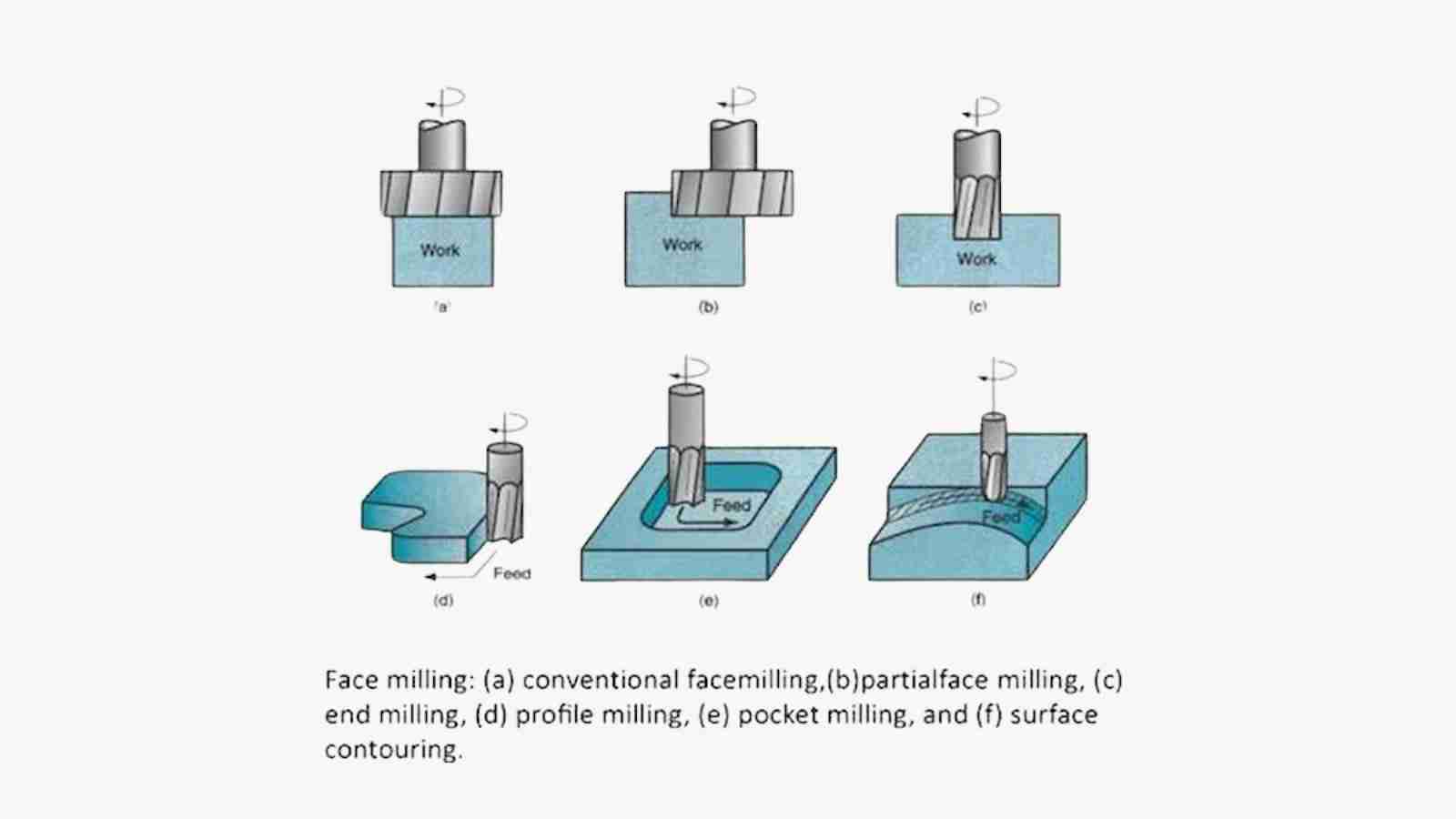
The milling process is a fascinating blend of artistry and technology, transforming nature’s grains into essential ingredients for our daily lives. At its core, milling involves several key techniques that ensure the production of high-quality flour. One of the primary methods used is stone milling, where traditional stones grind the grains while preserving their natural nutrients. Alternatively, the roller milling technique combines steel rollers with precise adjustments, allowing for the efficient separation of bran, endosperm, and germ. Each method has its unique advantages, catering to different flour types and culinary applications.
To optimize flour production, millers rely on a mix of time-tested practices and innovative techniques. Among the critical considerations are:
- Grain Selection: The choice of grain is fundamental, as different crops yield distinct flavors and textures.
- Moisture Control: Proper moisture levels are vital for efficient milling and preserving flour quality.
- Granulation: Adjusting the particle size of the flour allows for versatility in its uses, from fine pastry flour to coarser bread flour.
Modern milling plants are also equipped with sophisticated machinery that incorporates automated systems for consistency and efficiency. The following table illustrates the common equipment and their functions in the milling process:
| Equipment | Function |
|---|---|
| Roller Mills | Crushing and grinding grains to extract flour |
| sifters | Separating flour by size for uniform texture |
| Purifiers | Removing impurities from flour and achieving desired quality |
By understanding the intricacies of these techniques, millers can produce flour that not only meets industry standards but also delights consumers with its taste and performance in baking.

Innovations in Milling Technology: Enhancing Quality and Sustainability
Milling technology has witnessed remarkable advancements that not only enhance the quality of the final product but also promote sustainable practices within the industry. Modern milling processes now leverage precision-controlled machinery and advanced analytics, resulting in higher yield rates and reduced waste. These innovations allow for a finer control over grain processing, ensuring that every kernel is optimally utilized. Key technologies include:
- Laser Sorting: Enhances the purity of grains by identifying and removing impurities at a microscopic level.
- Automated Adjustment Systems: Automatically calibrate milling machinery in real-time to adapt to variations in grain quality.
- Energy-efficient Equipment: Reduces energy consumption while maintaining high productivity rates.
The shift towards sustainability in milling is not merely a trend but a necessity driven by environmental concerns and consumer demand. Milling plants are increasingly adopting closed-loop systems, allowing for the recycling of materials and minimizing resource consumption. Additionally, the integration of renewable energy sources, such as solar or wind, has become commonplace in modern mills, significantly lowering the carbon footprint associated with cereal production. Consider the following approaches that define sustainability in milling:
| Innovative Approach | Benefits |
|---|---|
| Implementing Energy Recovery Systems | Reduces overall energy usage by recapturing waste heat. |
| Regenerative Agriculture Collaboration | Supports environmentally friendly farming techniques, promoting soil health. |
| Biodegradable Packaging Solutions | Minimizes waste and environmental impact of product distribution. |
Closing Remarks
As we draw the curtain on our exploration of cereal milling, it’s clear that this age-old craft is a fascinating blend of art and science, meticulously balancing tradition with innovation. Each kernel holds a story, from the sun-kissed fields where grains are grown to the intricate processes that transform them into the flour that nourishes our daily lives. By understanding the complexities of milling, we not only gain a deeper appreciation for the foods we consume but also recognize the skill and dedication of those who have perfected this craft over generations. As the world continues to evolve, so too will the techniques that define cereal milling, yet the fundamental principles will remain rooted in the age-old relationship between grain and transformation. So, the next time you savor a slice of bread, a bowl of cereal, or a pastry, take a moment to reflect on the journey of the grains that made it possible, and celebrate the hidden artistry behind every bite.




