
From Kernel to Creation: The Art of Corn Processing
In the vast tapestry of agricultural ingenuity, few crops have woven themselves into the fabric of cultures and cuisines quite like corn. Once seen merely as a humble grain, corn has transcended its origins, blossoming into a versatile ingredient that underpins a myriad of culinary delights across the globe. From the golden fields where corn kernels shimmer like suns waiting to be harvested, to the bustling kitchens where chefs transform this staple into magnificent dishes, the journey of corn is nothing short of an art form. This article invites you to explore the intricate world of corn processing—a process steeped in tradition and innovation. We will uncover the methods that turn raw kernels into the flour, syrup, tortillas, and snacks that have become indispensable in our diets. Join us as we embark on a journey that celebrates not just the grain itself, but the craft and creativity that bring this cherished crop to life.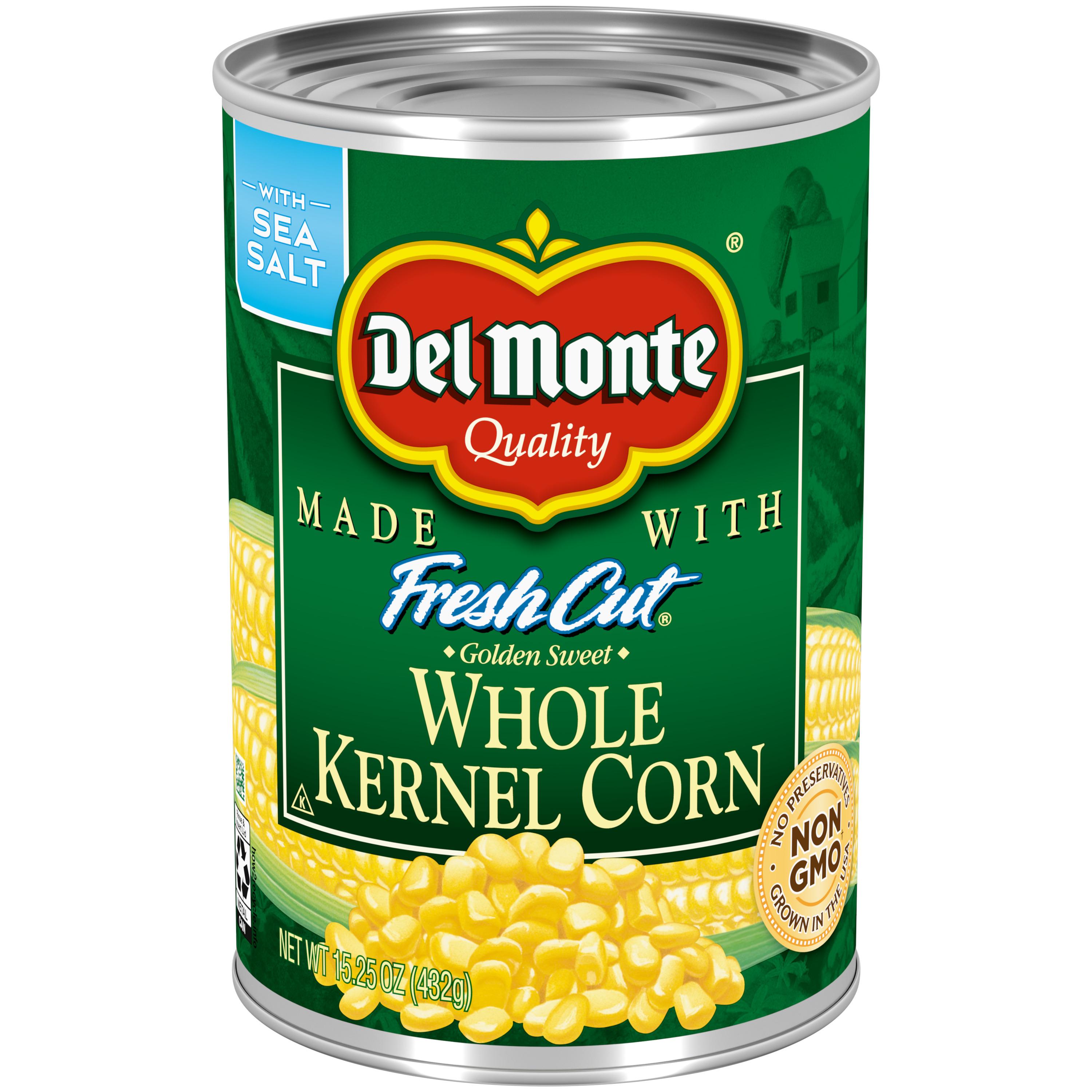
Understanding the Corn Kernel: A Gateway to Flavor and Nutrition
The journey of corn begins at the humble kernel, a treasure trove of nutrients and flavors that have been cultivated for thousands of years. Each kernel is robust, encased in a hard outer shell, which houses the soft, starchy endosperm—the heart of the corn kernel that gives it a rich texture and taste. This structure is what makes corn a versatile ingredient in many cuisines, providing not just flavor but also essential nutrients, such as fiber, vitamins, and minerals. When processed, these kernels release a unique sweetness and comforting mouthfeel, making them ideal for a variety of culinary applications.
As corn is transformed in its journey from field to table, various processing methods unlock different aspects of its character. Here are some common processing techniques that enhance the corn kernel’s flavor and nutritional benefits:
- Drying: Concentrates sugars, enhances sweetness.
- Grinding: Creates a versatile flour that can be used in breads, tortillas, and more.
- Fermentation: Produces tangy flavors seen in products like masa and sourdoughs.
| Processing Method | Key Benefits |
|---|---|
| Nixtamalization | Enhances nutrient availability and flavors for tortillas. |
| Cooking | Softens kernels for easier digestion and enhances taste. |
| Popping | Transforms into a snackable form, retaining fiber and flavor. |
Throughout this intricate process, the corn kernel remains essential, serving as a primary source of sustenance and cultural significance around the world. By understanding the physiological structure and transformative qualities of corn, we can appreciate not only the delicious offerings but also the nutritional value that this remarkable grain provides, allowing chefs and home cooks alike to craft culinary creations that celebrate its bounty.

Techniques of Transformation: From Harvest to Table
Transforming corn from harvest to table involves a blend of ancient techniques and modern innovations, ensuring that each kernel reaches its culinary potential. Farmers begin with selective harvesting, carefully choosing the right time to gather the ears. After collection, the corn undergoes drying and storage, where moisture is reduced to preserve its quality. Traditional methods like sun-drying coexist with today’s high-tech dehydration systems, ensuring that the corn remains flavorful and nutrient-rich. Once ready for processing, the corn is transported to facilities where it can be ground into flour, transformed into masa for tortillas, or even processed into sweeteners like high fructose corn syrup.
In the kitchen, processors embrace a variety of techniques that highlight corn’s versatility. Cooking methods can range from boiling fresh corn on the cob to roasting kernels for a smoky flavor. Some of the most cherished culinary preparations include:
- Polenta: A creamy dish made from ground cornmeal.
- Tortillas: Flatbreads essential in Mexican cuisine, made from masa.
- Popcorn: A playful snack that showcases corn’s fun side.
- Corn Chowder: A hearty soup that blends corn with creamy broth.
These preparations not only celebrate corn but also reflect regional traditions and flavor profiles. Whether enjoyed as a side dish or a main feature, the journey from field to final dish is a testament to the innovation and creativity inherent in the world of corn processing.

Exploring Culinary Versatility: Innovative Uses of Corn Products
Corn, one of the most versatile crops in the world, has transcended its role as a mere staple food to become a culinary chameleon, adapting to various cultural contexts and culinary applications. Beyond the classic corn on the cob and tortillas, corn products have made their way into innovative dishes that reimagine traditional cooking. For instance, *cornmeal* is not only the foundation for cornbread but also serves as a delightful crust for savory pies and as a thickener for soups and stews. Similarly, *corn starch* has found a place in the kitchen, acting as both a binding agent in cookies and as a key component in creating crispy textures in stir-fried vegetables.
Furthermore, *popcorn* has evolved from a simple snack to a sophisticated ingredient used in gourmet dishes. Chefs have started incorporating flavored popcorn into salads, adding unexpected crunch and a burst of flavor. Another intriguing application is in the creation of corn syrup, which sweetens not just desserts but also enhances savory sauces, providing depth and richness. With corn’s natural sweetness and adaptability, it has cemented itself as a fundamental ingredient in both everyday and avant-garde kitchens. Embracing corn’s diverse forms can open the door to a wealth of culinary creativity.

Sustainable Practices in Corn Processing: Balancing Tradition and Modernity
In the pursuit of sustainable corn processing, a harmonious blend of traditional methods and modern innovations has emerged, fostering a unique relationship between culture and technology. Traditional practices often emphasize local, organic cultivation techniques that respect the land and nurture biodiversity. Conversely, modern advancements introduce efficiency and scalability, enabling producers to meet growing culinary demands without compromising environmental integrity. For example, employing precision agriculture tools helps farmers monitor crop health while minimizing resource use, creating a more sustainable yield without sacrificing quality.
Key sustainable practices in corn processing revolve around minimizing waste, optimizing energy use, and promoting the circular economy. By focusing on resource recovery and employing techniques such as:
- Dry milling, which preserves more of the kernel and reduces byproduct waste.
- Utilizing co-products like corn bran or germ for animal feed or biodegradable packaging.
- Implementing renewable energy sources in processing facilities, such as solar or biogas.
These methods showcase a commitment to innovation while honoring the time-honored traditions of corn processing. The integration of these approaches not only enhances sustainability but also elevates the quality and cultural significance of corn products in today’s market.
Key Takeaways
As we turn the final page in our exploration of corn processing, it becomes clear that this humble grain is nothing short of a canvas for culinary innovation. From the earthy kernels that sprout from the soil to the myriad creations gracing tables around the globe, corn’s journey is a testament to human ingenuity and tradition. Each stage of processing transforms the ordinary into the extraordinary, giving rise to flavors and textures that delight the senses.
Whether it’s the crunch of tortilla chips at a lively gathering, the warmth of freshly baked cornbread in a cozy kitchen, or the sweet allure of corn syrup in decadent desserts, corn continues to inspire and nourish. As we appreciate the art behind this versatile grain, let us celebrate not only the methods and techniques honed over generations but also the stories woven into each corny creation.
In essence, the process from kernel to creation is more than mere transformation; it is an ongoing dialogue between nature and culture, creativity and sustainability. So, the next time you savor a dish crafted from corn, take a moment to appreciate the journey that brought it to your plate and remember: every bite tells a story.



