
Unlocking the Crunch: A Journey Through Cereal Processing
In the early morning ritual of breakfast, few things offer the comforting crunch and nostalgic flavor of cereal. Whether enjoyed in a bowl with milk or straight from the box, cereal has become a staple in households worldwide, transcending age and culture. But have you ever paused to consider the intricate journey that each crunchy morsel takes before it reaches your table? “Unlocking the Crunch: A Journey Through Cereal Processing” invites you to explore the fascinating world behind this beloved breakfast choice. From the golden grains harvested in the fields to the elaborate machinery that transforms them into colorful flakes and puffs, we will delve into the science and artistry of cereal production. Join us as we peel back the layers of this culinary process, revealing not only the technology at play but also the passion and innovation that sustain an industry dedicated to the perfect crunch.
Exploring the Origins and Evolution of Cereal Production
The journey of cereal production begins in the cradle of agriculture, where ancient grains such as wheat, barley, and rice were first cultivated around 10,000 years ago. As early farmers recognized the importance of these staple foods, they developed techniques to enhance growth and yield. Over centuries, this primal relationship with crops transformed into a nuanced art form. Various cultures contributed to the evolution of these grains, from the methods of hand-harvesting to the more sophisticated plowing techniques that followed. The domestication of cereals spurred innovations such as milling, which not only made grains easier to consume but also expanded their use in numerous culinary applications.
As civilization progressed, the production and processing of cereals adapted to meet the changing demands of society. The Industrial Revolution marked a pivotal shift, introducing mechanization that radically increased production efficiency. Factories emerged, allowing for the mass production of breakfast cereals with a variety of flavors and textures. This evolution continued with advancements in packaging technology and marketing strategies, leading to the global phenomenon of ready-to-eat cereals we see today. Furthermore, contemporary trends emphasize sustainability and organic farming practices, reflecting a growing awareness of health and environmental impacts associated with food production.

Understanding the Science Behind Grains and Crunch
Grains, the heart of many breakfast cereals, undergo a fascinating transformation to achieve that delightful crunch that we all enjoy. The journey begins with the selection of whole grains, rich in nutrients and fiber. These grains undergo several processing stages, including cleaning, conditioning, and cooking, which not only enhance their flavor but also improve their digestibility. The magic happens during the cooking process, where moisture is added to the grains, allowing them to swell and become tender. Once cooked, they face intense heat, typically in the form of extrusion, which gives them their iconic crispy texture.
The interplay between temperature and pressure during extrusion is critical. As the mixture is pushed through a die, it rapidly expands and cools, creating that satisfying crunch. To better understand this process, here is a concise overview of key factors influencing the final texture:
| Factor | Influence on Crunch |
|---|---|
| Moisture Content | Higher moisture aids cooking but must be balanced for crunch. |
| Temperature | Higher temperatures enhance crispness but can lead to overcooking. |
| Extrusion Speed | Faster speeds contribute to a lighter, airier texture. |
Additional factors, such as the choice of additives and flavor profiles, also play a pivotal role in creating the final product. Ingredients such as sugars, salts, or even proteins can modify the taste and texture, melding perfectly into a crunchy experience. The careful calibration of these aspects not only impacts the crunch but also the overall satisfaction of the cereal, making it a beloved choice at breakfast tables worldwide.

The Role of Technology in Modern Cereal Processing
The evolution of cereal processing is deeply intertwined with advancements in technology. From the harvest to the breakfast table, innovative machinery and techniques are revolutionizing how grains are transformed. Modern mills employ precision milling technology that ensures every kernel is ground to the optimal fineness, enhancing both texture and flavor. Automated systems monitor moisture levels, ensuring that grains retain their essential nutrients while achieving the ideal crispness. In addition, extrusion cookers have come to the forefront, allowing for the creation of diverse shapes and flavors, making cereals not only nutritious but also exciting and appealing to a younger audience.
Furthermore, the role of data analytics cannot be understated in today’s processing plants. By utilizing real-time data monitoring and predictive analytics, manufacturers can optimize production processes, minimize waste, and adjust recipes on the fly to meet consumer demand. This means that whether it’s ensuring the right balance of fiber and sweetness or tailoring products to specific dietary preferences, technology is key. Here are some benefits that technology brings to cereal processing:
- Increased Efficiency: Automation streamlines operations, reducing manual labor and increasing output.
- Ingredient Innovation: New processing methods allow for unique ingredients, appealing to health-conscious consumers.
- Quality Control: Advanced sensors detect inconsistencies in real-time, ensuring product quality.
Sustainability in Cereal Manufacturing: Best Practices and Future Trends
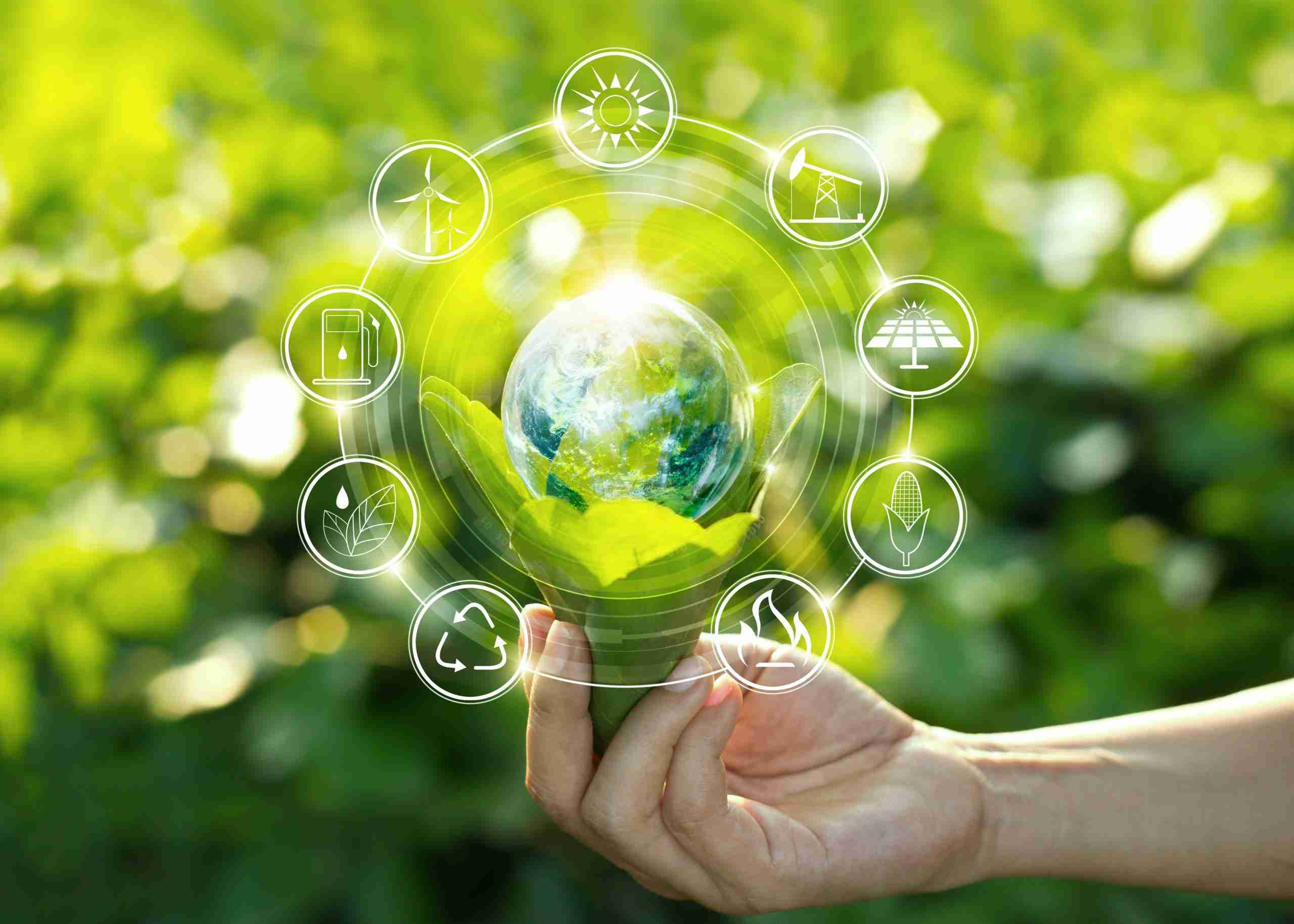
In the quest for sustainable cereal manufacturing, companies are increasingly focusing on resource efficiency and waste reduction. Innovative techniques such as water recycling and energy-efficient processing help minimize the environmental footprint in the production stage. By incorporating sustainable agricultural practices, manufacturers ensure that the grains are not only harvested responsibly but also retain their nutritional value. The push towards using local ingredients and organic farming methods further supports biodiversity and reduces transportation emissions, aligning with eco-friendly initiatives. Here are some essential practices being adopted:
- Implementing Closed-Loop Systems: Reducing water and energy waste by reusing resources within the production cycle.
- Circular Economy Integration: Turning by-products into new ingredients or packaging materials to minimize waste.
- Schooling Farmers: Empowering local farmers with training on sustainable practices and crop rotation.
- Adopting Renewable Energy: Transitioning facilities to solar, wind, and biomass energy sources.
As we look to the future, the cereal industry is set to embrace cutting-edge technologies that enhance sustainability. The incorporation of AI and data analytics helps in monitoring supply chains, thus optimizing resource allocation and predicting crop yields more accurately. Moreover, advancements in packaging technology are steering the sector towards biodegradable and minimal packaging solutions, reducing waste associated with traditional materials. A glimpse into emerging trends reveals:
| Trend | Description |
|---|---|
| Plant-Based Innovations | Development of new cereal products that incorporate proteins from plants. |
| Smart Agriculture | Utilizing IoT for precision farming that optimizes yields while minimizing chemical use. |
| Transparency and Traceability | Implementing blockchain technology to ensure source traceability and build consumer trust. |
To Wrap It Up
As we reach the end of our exploration into the meticulous world of cereal processing, we hope you’ve uncovered not just the technical intricacies behind those beloved breakfast bowls, but also a deeper appreciation for the journey each flake and puff undertakes to delight our palates. From the golden fields of grain to the bustling factories where science and artistry blend seamlessly, cereal production is a testament to human ingenuity and tradition.
So next time you pour yourself a serving of your favorite cereal, take a moment to reflect on the complex narrative that unfolds behind the scenes. Each crunch is not just a bite; it’s a chapter in the rich tapestry of agricultural heritage, innovative processing techniques, and thoughtful packaging. With every spoonful, you partake in a story that bridges generations, cultures, and even continents—a true celebration of breakfast in all its crunchy glory.
Thank you for joining us on this fascinating journey through the world of cereal processing. We invite you to keep your curiosity alive, as the stories of our food continue to unfold, one bite at a time.



