
In the heart of agricultural innovation lies a transformative solution that promises to revolutionize the way we approach rice processing: the combine mini rice mill. As global demand for rice continues to surge, so too does the need for efficient, sustainable practices that ensure quality while reducing waste and labor costs. These compact yet powerful machines are not just a nod to modern agriculture; they embody the quest for efficiency in a field often characterized by traditional methods. In this article, we will explore the myriad benefits of combine mini rice mills, uncovering how they unlock new levels of productivity for farmers and contribute to a more resilient food system. Through a blend of technological advancement and practical application, these mills are setting the stage for a future where every grain counts. Join us as we delve into the mechanics, advantages, and impact of this innovative approach to rice milling.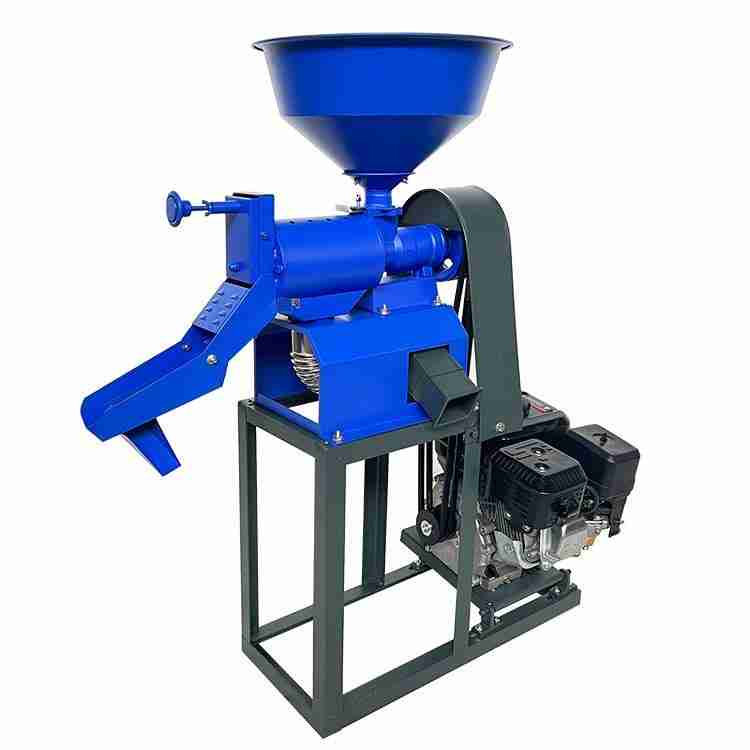
Exploring the Core Advantages of Combined Mini Rice Mills
Mini rice mills have transformed the agricultural landscape by integrating multiple processes into one streamlined operation, making them a pivotal choice for farmers and small businesses alike. These compact machines enable rice processing from paddy to polished grains without the need for additional equipment or manual labor. Their design promotes efficiency, ensuring that every stage of processing is optimized. Notably, the combined features reduce the need for storage space and lower operational costs—an appealing prospect for small-scale operators. This compactness minimizes wasted time and resources, setting up a more sustainable framework for rice production.
Moreover, the versatility of combined mini rice mills is noteworthy. They cater to various rice types and accommodate different grain-processing activities such as husking, hulling, and polishing. This adaptability leads to a reduction in energy consumption and improved product quality due to consistent processing conditions. Some of the key advantages include:
- Cost Savings: Lower machinery and operational costs translate into enhanced profitability.
- User-Friendly Design: Simplified operations make these mills accessible to novice users.
- Reduced Labor Needs: Automation of multiple processes decreases reliance on manual labor.
| Feature | Benefit |
|---|---|
| Compact Size | Saves space and resources. |
| Comprehensive Processing | Eliminates the need for multiple machines. |
| Energy Efficiency | Lower emissions and operational costs. |

Enhancing Production Workflow: Streamlining Operations for Maximum Output
In the quest for higher productivity, combining multiple operations into a single unit offers unparalleled advantages. Mini rice mills, designed for efficiency, not only reduce the time spent on different processing stages but also significantly lower operational costs. By integrating milling, husking, and polishing in one go, these machines streamline various processes, ensuring that grain is handled swiftly and reduces the likelihood of damage. This enhances the quality of the final product, making it more appealing to customers, and thus generating higher sales.
Furthermore, the adoption of a combine mini rice mill can lead to improved resource management. With features such as automatic feeding and integrated sorting mechanisms, operators can minimize labor costs while maximizing output. Consider the following benefits:
- Reduced Processing Time: Operations that used to take hours can now be completed in a fraction of the time.
- Lower Energy Consumption: These machines are designed to operate efficiently, saving both power and money.
- Improved Product Quality: Consistent milling results in less broken rice and higher grade output.
- Space-Saving Design: Compact units occupy less floor space, freeing up room for other operations.
To provide a clearer comparison of efficiency, the following table highlights the differences between traditional milling methods and combine mini rice mills:
| Feature | Traditional Milling | Combine mini rice mill |
|---|---|---|
| Processing Time | Several hours | Less than 60 minutes |
| Energy Consumption | High | Low |
| Labor Requirement | High | Minimal |
| Output Quality | Inconsistent | Consistent and high-grade |

Sustainability and Cost-Effectiveness: The Economic Case for Combined Mills
In the quest for sustainable agricultural practices, combine mini rice mills present a viable solution that elegantly marries ecological responsibility with cost efficiency. These mills utilize advanced technology to optimize resource use, significantly reducing energy consumption while maximizing output. Key benefits of integrating sustainability with economic viability include:
- Minimized waste through effective byproduct utilization, enhancing soil health.
- Lower operational costs due to reduced dependence on fossil fuels and electricity.
- Enhanced marketability of sustainably produced rice, appealing to eco-conscious consumers.
The economic case for these systems also lies in their capacity to streamline processes, allowing farmers to operate with greater efficiency. By investing in combine mini rice mills, smallholders can benefit from lower labor costs and increased production rates. The following table summarizes the cost savings associated with using combined mills:
| Cost Factor | Traditional Mills | Combined Mini Mills | Potential Savings (%) |
|---|---|---|---|
| Energy Consumption | $500 | $300 | 40% |
| Labor Costs | $400 | $200 | 50% |
| Maintenance | $150 | $100 | 33% |
Such reductions foster a more financially stable farming environment while promoting environmentally friendly practices. By embracing these innovative solutions, the agricultural sector can not only secure its economic future but also contribute positively to the planet’s health.
Leveraging Technology: Innovations Driving Efficiency in Rice Processing
Innovations in rice processing technology have made significant leaps, particularly in the realm of combine mini rice mills. These compact mills have revolutionized the way farmers and small enterprises approach rice processing, providing a seamless integration of grinding, hulling, and polishing operations. With state-of-the-art features that enhance speed and efficiency, these machines are designed to deliver high-quality products with minimal manual intervention. As a result, businesses can drastically reduce their processing time while maintaining superior output quality.
Furthermore, the application of smart technologies within these mini mills has fostered an era of data-driven decision-making. Features such as real-time monitoring and automated adjustments ensure optimal performance, leading to enhanced productivity. Key benefits include:
- Cost Reduction: Lower operating and labor costs.
- Space Efficiency: Compact design requiring less floor space.
- Energy Savings: More energy-efficient compared to traditional mills.
- Improved Quality: Consistent product output with minimal waste.
| Feature | Traditional Mills | Combine Mini Rice Mills |
|---|---|---|
| Processing Speed | Low | High |
| Operational Costs | Higher | Lower |
| Space Requirement | Large | Compact |
| Maintenance Needs | Frequent | Minimal |
In Retrospect
the adoption of combine mini rice mills presents a transformative opportunity for rice production, particularly for small-scale farmers and rural communities. By streamlining the milling process, reducing labor costs, and promoting sustainability, these innovative machines not only enhance productivity but also empower growers to achieve better market competitiveness. As we move towards a more efficient agricultural landscape, the integration of technology, such as combine mini rice mills, signifies a step forward in maximizing yield while minimizing waste. Embracing these advancements not only unlocks greater efficiencies but also paves the way for a more resilient and prosperous future in rice farming. As the industry evolves, one thing remains clear: efficiency is no longer merely an option but a necessity in the quest for sustainable agriculture.



