
Unlocking the Grain: The Art and Science of Cereal Milling
In the heart of every loaf of bread, every bowl of cereal, and every delicate pastry lies an intricate process often overlooked: cereal milling. It is a delicate balance of tradition and innovation, where centuries-old techniques meet cutting-edge technology to transform humble grains into the staple ingredients that nourish our daily lives. From the rhythmic pulse of grinding stones to the hum of modern machinery, the world of cereal milling is a fascinating interplay of art and science. As grains are meticulously processed, they reveal their hidden potential, unlocking flavors, textures, and nutritional benefits. This article invites you to delve into the intricate workings of cereal milling—exploring not only the methods and machinery involved but also the cultural significance and future possibilities of this essential craft. Join us on a journey through grain, as we uncover the secrets that lie within each kernel and celebrate the timeless art that has sustained civilizations for millennia.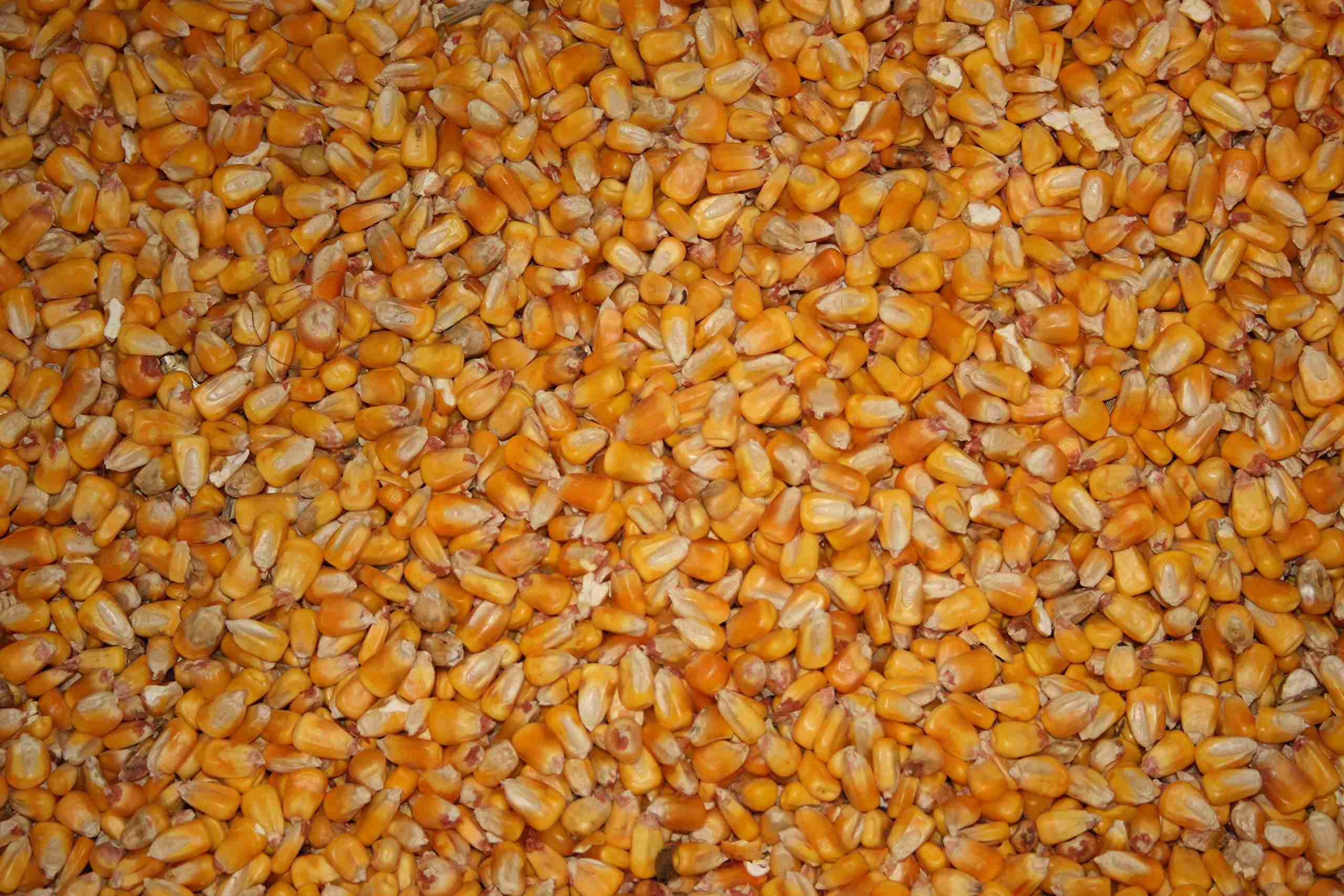
Exploring the Journey from Kernel to Flour
The transformation of grain into flour is a meticulous process that combines both artistry and scientific precision. It begins with the harvesting of cereal grains, which are carefully selected for their quality and variety. Once the grains are collected, they undergo a series of stages, each critical for ensuring the final flour is both nutritious and versatile. Key steps in this journey include:
- Cleaning: This involves removing any impurities, stones, or debris that may have attached to the grains during harvest.
- Conditioning: Grains are conditioned with moisture to prepare them for milling; this helps in achieving the desired flour texture.
- Milling: Through crushing, grinding, and sifting, the conditioned grains are transformed into flour, with various methods yielding different types of flour.
Throughout this journey, the science of milling plays a crucial role, influencing everything from the texture to the taste of the final product. Various factors affect the milling process, including the type of grain and its moisture content. Often, mills utilize a combination of roller mills and stone mills, each offering unique qualities to the resulting flour. Below is a comparison of common milling methods:
| Milling Method | Characteristics | Flour Type |
|---|---|---|
| Roller Mill | High precision; produces fine flour; efficient | All-purpose, white flour |
| Stone Mill | Traditional; retains more nutrients; coarser texture | Whole grain, specialty flours |
By understanding the intricacies of this journey, one can appreciate the effort that goes into each handful of flour, recognizing it as the result of careful craftsmanship and scientific expertise. The result is more than just a cooking ingredient; it becomes a vital part of our culinary heritage.
Understanding the Milling Process: Techniques and Technologies
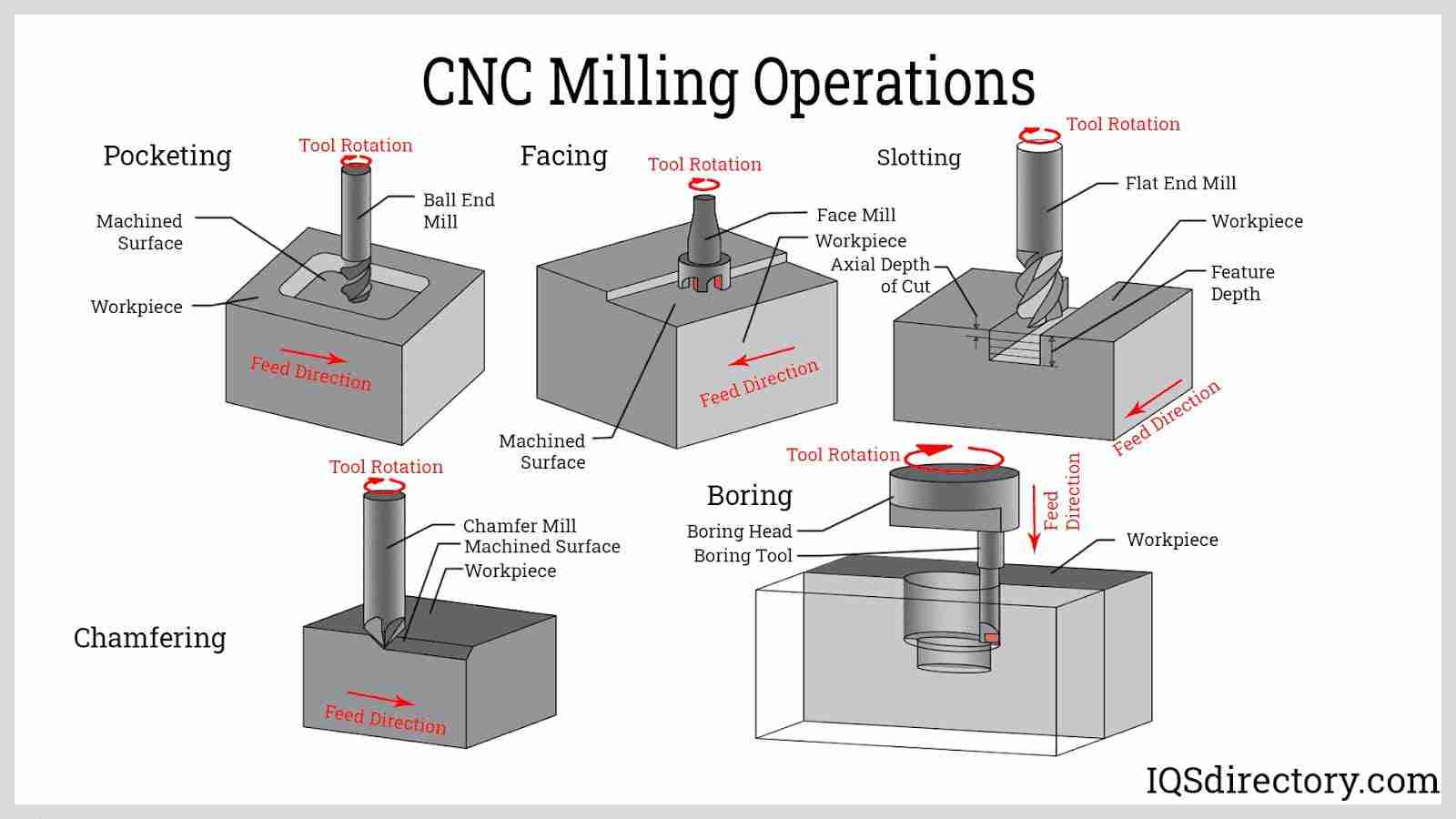
The milling process can be likened to a delicate dance between art and science, where various techniques and technologies come together to transform raw grains into finely milled flour. At the heart of this transformation are mechanical methods that have evolved over centuries. Traditional stone milling, for instance, utilizes large stones to grind grains, preserving the grain’s natural qualities while yielding a coarser flour. In contrast, modern roller mills employ advanced machinery that crushes and refines grains by passing them between pairs of metal rollers, achieving a more uniform particle size. This shift towards mechanization has enabled increased efficiency and precision, allowing millers to produce flour that meets diverse culinary needs, from bread-making to delicate pastries.
In addition to processing techniques, the integration of technological advancements has played a pivotal role in enhancing the milling process. The incorporation of automated systems for sorting and grading grains ensures consistency in quality, while digital monitoring technologies allow millers to keep track of variables such as moisture content and particle size during production. As sustainability becomes increasingly important, many milling operations are also exploring eco-friendly practices by optimizing energy usage and reducing waste. Below is a summary of key techniques and technologies used in contemporary milling:
| Technique/Technology | Description |
|---|---|
| Stone Milling | Traditional method preserving natural grain qualities. |
| Roller Mills | Modern machinery achieving consistent, fine flour. |
| Automated Sorting | Enhances grain quality and processing efficiency. |
| Digital Monitoring | Tracks key variables for precision in production. |
| Sustainability Practices | Focus on energy efficiency and waste reduction. |

Quality Control in Cereal Milling: Ensuring Consistency and Purity
The journey of grain from field to table involves a meticulous process where quality control plays a pivotal role in ensuring that consumers receive the best product possible. In the cereal milling industry, maintaining top-tier standards is essential for achieving consistency and purity. This involves several key practices, including rigorous testing of raw materials, frequent sampling throughout the milling process, and systematic evaluation of finished products. Cross-contamination prevention strategies are imperative, often involving dedicated machinery for different grain types to uphold product integrity. Quality assurance teams conduct sensory evaluations alongside laboratory analyses to ensure that each batch meets the established benchmarks for flavor, texture, and nutritional value.
Critical quality indicators are monitored throughout the milling stages, including moisture content, particle size distribution, and ash content. By adhering to strict regulatory guidelines, mills can effectively mitigate risks associated with contaminants like mycotoxins and foreign materials. The following protocols are commonly adopted to enhance quality control:
- Visual inspections for foreign material removal.
- Laboratory tests to evaluate nutritional composition.
- In-line moisture measurement for optimal storage conditions.
- Traceability systems for ingredient sourcing and processing.
To provide a clearer picture of how standards are upheld in cereal milling, consider the following table illustrating common quality parameters measured and their significance:
| Quality Parameter | Significance |
|---|---|
| Moisture Content | Prevents spoilage and maintains shelf life. |
| Particle Size | Affects the texture and culinary performance. |
| Protein Level | Determines nutritional value and functional properties. |
| Vitamin and Mineral Content | Ensures the health benefits of the final product. |

Innovative Trends and Best Practices for Sustainable Milling
As the global push for sustainability intensifies, milling operations are being transformed through innovative technologies and practices that prioritize environmental responsibility. Reducing energy consumption is at the forefront, with milling facilities adopting energy-efficient machinery and optimized processes. Advanced monitoring systems allow millers to track energy usage in real-time, facilitating targeted adjustments. Additionally, the integration of renewable energy sources, such as solar and wind, into milling operations not only reduces carbon footprints but also cuts operating costs over time.
Incorporating sustainable raw material sourcing is another critical aspect that defines modern milling practices. Millers are increasingly committed to partnering with local farmers who employ regenerative agriculture techniques. This not only supports the local economy but also enhances the quality of the grain. Furthermore, waste reduction strategies are gaining traction, whereby by-products of milling are repurposed—covering everything from animal feed to biofuel. Sustainable packaging solutions are also emerging, with eco-friendly materials replacing traditional plastics, aligning the milling industry with consumer demand for greener alternatives.
To Wrap It Up
As we conclude our exploration of “Unlocking the Grain: The Art and Science of Cereal Milling,” we are left with a profound appreciation for the intricate dance between tradition and innovation that characterizes this age-old craft. Each kernel of grain carries with it a story—a tale of the land it grew upon, the care of farmers, and the skilled craftsmanship of millers who transform it into flour. Through the lenses of both art and science, cereal milling emerges as a vital link in our food production chain, influencing everything from the texture of our breads to the nutritional value of our meals.
With advancements in technology continuing to push the boundaries of what is possible, the future of milling promises to be as exciting as its rich history. As we savor the products borne of this meticulous process, let us remain curious about the journey that each grain takes, appreciating not just the sustenance it provides but the heritage and innovation intertwined in every bite.
In this ever-evolving landscape, one thing is certain: the art and science of cereal milling will continue to unlock the potential of grains, nourishing generations to come while inspiring new expressions of culinary creativity. Let us celebrate this remarkable journey, honoring both the past and future of a craft that truly feeds the world.



