
Cereal Processing: Transforming Grains into Breakfast Staples
In the gentle embrace of morning light, the day begins with a familiar ritual: the comforting crunch of cereal filling bowls and bellies alike. But how does something so simple and ubiquitous transform from humble grains into the colorful, crunchy breakfast staples that grace our tables? The journey from field to fork is a fascinating narrative of innovation, science, and artistry. As we peel back the layers of cereal processing, we uncover the intricate processes that turn raw grains into the versatile products we enjoy, addressing everything from flavor enhancement to nutritional fortification. Join us as we explore the stages of this remarkable transformation, revealing the secrets of the cereal industry that make breakfast not just a meal, but a morning tradition.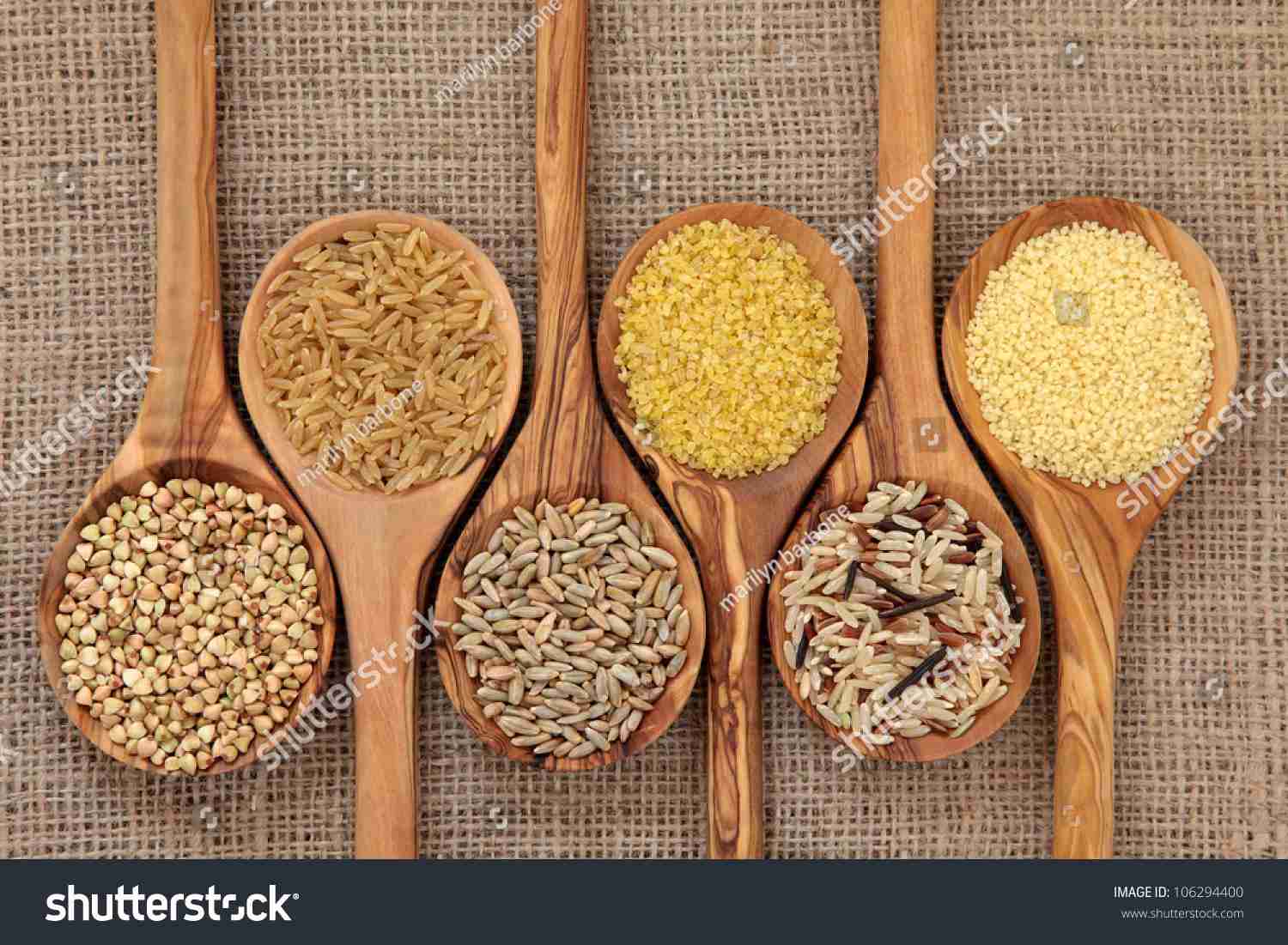
Understanding Grain Selection: The Foundation of Quality Cereal
Grain selection is crucial in determining the quality and characteristics of cereals. When choosing grains, several factors come into play that can significantly influence the final product. Nutritional content is paramount, as it dictates not only the flavor but also the health benefits of the cereal. Whole grains like oats, barley, and quinoa provide more fiber and essential nutrients compared to refined grains, making them a preferred choice for health-conscious consumers. Additionally, grain variety affects the textural experience in cereals, with different grains contributing to unique crunchiness or chewiness. Selecting the best grains is thus an art, marrying flavor, nutrition, and texture to create an ultimate breakfast staple.
Several criteria should be evaluated during the grain selection process:
• Origin: Locally sourced grains can enhance freshness and sustainability.
• Harvest quality: Grains free of impurities and damage ensure a premium product.
• Processing capabilities: The ability to process grains impacts the texture and flavor.
• Consumer preferences: Understanding trends in consumer demand shapes the choice of grains.[/p]
In order to illustrate the relationship between grain types and their properties, the following table summarizes essential grain characteristics:
| Grain Type | Nutritional Benefits | Texture Profile |
|---|---|---|
| Oats | High in fiber and antioxidants | Soft and creamy |
| Barley | Rich in vitamins and minerals | Nutty and chewy |
| Quinoa | Complete protein source | Fluffy yet slightly crunchy |
| Rice | Gluten-free; easily digestible | Light and fluffy |
Innovative Processing Techniques: Enhancing Flavor and Nutrition
The world of cereal processing has embraced a variety of innovative techniques designed not only to enhance the flavor of grains but also to maximize their nutritional benefits. One method gaining prominence is steam flaking, where grains are subjected to high-pressure steam before being rolled into flakes. This process not only softens the grain but also enhances digestibility, allowing the body to absorb essential nutrients such as proteins, vitamins, and minerals more effectively. Additionally, extrusion cooking serves a dual purpose: by subjecting grains to high temperature and pressure, this method not only cooks the cereal but also creates a unique texture that appeals to consumers while preserving the bioavailability of nutrients.
Another revolutionary approach is fermentation, which has been utilized to create distinctive flavors and improve nutrition. By promoting the growth of beneficial microbes, fermentation can elevate the nutritional profile of cereals, increasing levels of B-vitamins and enhancing probiotics. This technique, commonly used in traditional practices, has now entered mainstream processing as companies strive to meet the growing demand for functional foods. From nutrient profiles to flavors, these innovative processing techniques are reshaping how grains are transformed into beloved breakfast staples, ensuring they are both delicious and nourishing.
| Technique | Description | Benefits |
|---|---|---|
| Steam Flaking | High-pressure steam followed by rolling grains | Improved digestibility, enhanced nutrient absorption |
| Extrusion Cooking | Cooking grains under high temperature and pressure | Unique texture, preserved bioavailability of nutrients |
| Fermentation | Growth of beneficial microbes to enhance flavor | Increased vitamins, added probiotics |

The Role of Fortification: Boosting Health Benefits in Breakfast Cereals
The transformation of grains into breakfast staples comes with the significant opportunity for fortification, enriching cereals with essential nutrients to enhance their health benefits. By incorporating vitamins and minerals during the processing stage, manufacturers can create products that not only satisfy hunger but also contribute to overall nutritional needs. Commonly added nutrients include:
- Iron: Essential for carrying oxygen in the blood.
- Vitamin D: Supports bone health and immune function.
- Folate: Crucial for cell division and production.
- Calcium: Key in strengthening bones and teeth.
Fortification not only addresses nutrient deficiencies prevalent in many diets but also provides a convenient means of achieving balanced nutrition, particularly in populations that may lack access to varied food sources. To illustrate the impact of fortification, consider the following table that showcases the average nutritional content of unfortified versus fortified breakfast cereals:
| Nutrient | Unfortified Cereal (per serving) | Fortified Cereal (per serving) |
|---|---|---|
| Iron | 2 mg | 12 mg |
| Vitamin D | 0 IU | 100 IU |
| Folate | 20 mcg | 200 mcg |
| Calcium | 30 mg | 150 mg |
This transformation not only enhances the nutritional profile of breakfast cereals but also promotes a healthier lifestyle, making them an ideal choice for busy individuals looking to start their day right. With appropriate fortification, breakfast cereals can become a crucial ally in the quest for improved health and well-being.

Sustainability in Cereal Production: Responsible Practices for a Better Future
As the world grows increasingly aware of environmental challenges, the cereal production industry is stepping up with innovative sustainable practices that not only enhance the quality of grains but also contribute to ecosystem health. Farmers are now employing crop rotation and cover cropping techniques to enhance soil fertility and improve biodiversity. These methods reduce the need for chemical fertilizers and pesticides, fostering a more balanced ecosystem. Moreover, many producers are embracing precision agriculture, using advanced technology to monitor soil moisture and nutrient levels, ensuring that resources are effectively utilized and waste is minimized.
In conjunction with these agricultural methods, shifting towards eco-friendly processing is equally vital in transforming grains into beloved breakfast staples. Many processing facilities are adopting renewable energy sources, such as solar and wind power, drastically reducing carbon footprints. Additionally, implementing water conservation techniques and recycling efforts helps in minimizing waste during production. Below is a brief overview of some responsible practices in cereal processing:
| Practice | Benefit |
|---|---|
| Energy Efficiency | Reduces greenhouse gas emissions |
| Water Recycling | Conserves freshwater resources |
| Waste Reduction | Minimizes landfill impact |
| Local Sourcing | Supports community economies |
By integrating environmentally-friendly techniques in the entire supply chain, from farm to table, the cereal production industry is not only providing nutritious options but is also paving the way for a healthier planet. Conscious consumers are encouraged to seek out brands that prioritize these responsible practices, making informed choices that contribute to a sustainable future.
Closing Remarks
the journey from grain to breakfast staple is a fascinating interplay of tradition and innovation, encapsulating the ingenuity of cereal processing. As we’ve explored, each step—from harvesting and milling to flavoring and packaging—reflects not only advances in technology but also a deep-rooted understanding of nutritional needs and consumer preferences. This transformation goes beyond the production line; it shapes our breakfast routines, influences dietary choices, and plays a pivotal role in global food systems. As we look to the future, the cereal industry continues to evolve, embracing sustainability and health-conscious trends. Whether enjoyed in a bowl or as part of a recipe, cereals remain a beloved staple that nourishes millions. The remarkable process behind these grains is a testament to human creativity and our enduring relationship with food. So, the next time you pour that first cup of cereal, remember the journey it undertook to start your day on the right note.



