
Turning Grain into Gold: Launching a 2-Ton Rice Mill Project
In a world where innovation meets tradition, the humble grain takes center stage, transforming from a staple food source into a symbol of economic potential. As we embark on the journey of launching a 2-ton rice mill project, we delve into the rich tapestry of agriculture, technology, and entrepreneurship. This initiative is not just about processing rice; it represents a pivotal step toward sustainable growth, community empowerment, and the quest for quality. With the gentle hum of machinery and the promise of enriched livelihoods, our mission is to turn ordinary grains into extraordinary opportunities. Join us as we explore the intricacies of establishing a rice mill, the challenges we anticipate, and the golden possibilities that lie ahead.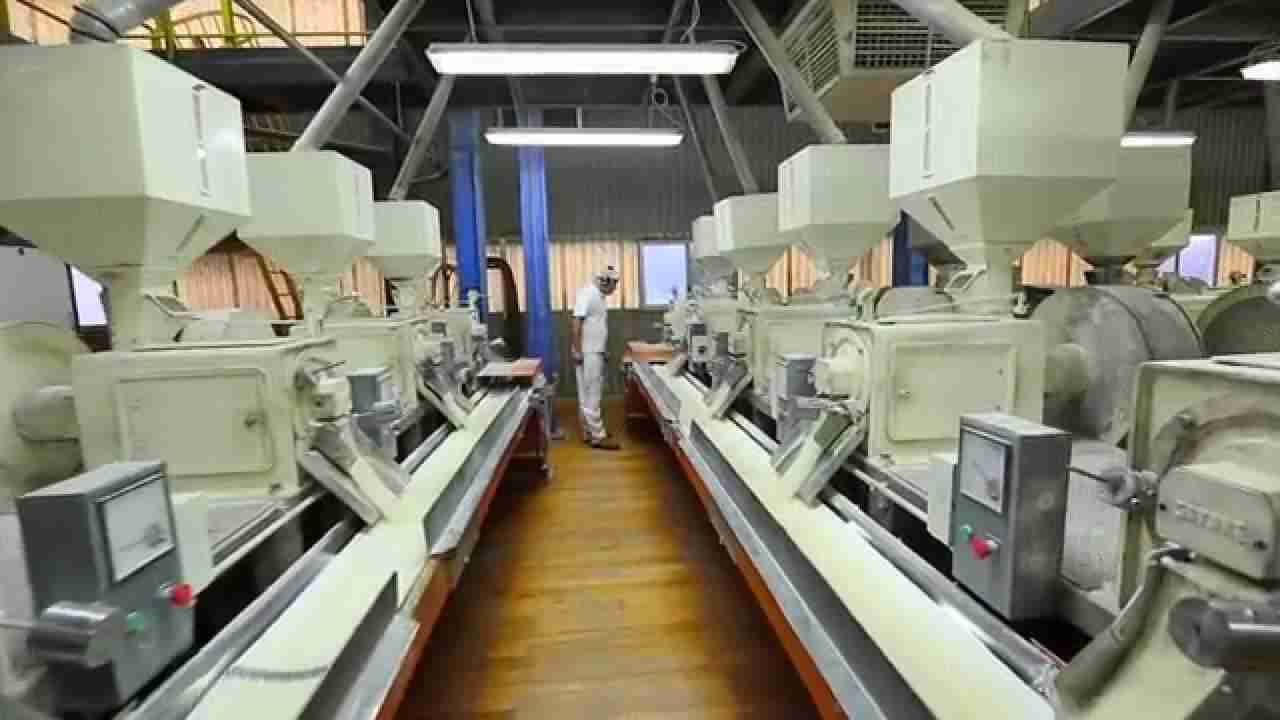
Understanding the Rice Milling Process and Its Economic Impact
Rice milling is a crucial step in transforming paddy into a consumable product. This multifaceted process involves several stages, each imperative to enhancing the quality and marketability of the final product. The primary stages can be summarized as follows:
- Cleaning: Removal of impurities such as stones, husk, and other foreign materials.
- Hulling: The outer husk is removed to obtain brown rice.
- Milling: Brown rice is polished to produce white rice, improving aesthetics and shelf life.
- Sorting: Final product is sorted based on quality, size, and color.
Beyond the technical aspects, the economic impact of rice milling is significant, particularly in regions where rice is a staple food. Establishing a rice mill can lead to increased local employment opportunities and provide farmers with a reliable avenue for selling their paddy. This not only enhances the livelihood of farmers but also stimulates local economies through:
- Job Creation: Direct and indirect employment for mill workers, transporters, and suppliers.
- Value Addition: Improved product quality allows for higher retail pricing.
- Market Accessibility: Increased availability of polished rice can attract new customers and partners.
| Economic Impact | Benefit |
|---|---|
| Local Employment | Boosts the economy by providing jobs |
| Increased Farmers’ Income | Enables farmers to earn more from their produce |
| Higher Retail Prices | Enhances profitability for millers and farmers |

Crafting a Sustainable Business Model for Your Rice Mill
Designing a sustainable business model for your rice mill involves integrating practices that not only enhance economic viability but also promote environmental responsibility. This includes reducing waste, optimizing resource use, and fostering community relationships. Begin by evaluating your supply chain and sourcing practices; aim to work with local farmers who employ organic farming methods. Not only does this reduce transportation emissions, but it also supports sustainable agriculture in your region. Consider implementing energy-efficient machinery and exploring renewable energy options, such as solar power, which can dramatically lower operational costs while decreasing your carbon footprint.
Moreover, a sustainable business model should include plans for continuous improvement and innovation. Evaluate the potential to utilize by-products like rice husks for bioenergy or animal feed, enhancing your revenue streams while minimizing waste. Here are some strategies you could consider:
- Community Engagement: Develop educational programs for local farmers on sustainable agricultural practices.
- Technology Integration: Use data analytics for inventory management to reduce excess production.
- Certifications: Pursue certifications for organic or fair-trade practices to appeal to a growing market segment.
By creating partnerships with local organizations and focusing on sustainability, your rice mill can not only thrive economically but also positively impact the environment and community.
Navigating Regulatory Landscapes and Securing Funding Opportunities
Establishing a successful rice mill project requires a comprehensive understanding of the diverse regulatory frameworks that govern agricultural processing. Various local, state, and national regulations regarding safety, environmental impacts, and labor standards must be considered to avoid potential pitfalls. Key areas to focus on include:
- Environmental Regulations: Ensuring compliance with waste management and emissions standards.
- Health and Safety Regulations: Adhering to workplace safety requirements to protect employees.
- Licensing and Permits: Securing all necessary permits for operation and processing.
In tandem, identifying and securing funding opportunities is essential to propel the rice mill project forward. Various funding channels can be explored, such as grants specifically targeted at agricultural and rural development. Collaborating with government agencies, financial institutions, and investor networks can yield promising results. Notable sources of funding may include:
| Funding Source | Purpose | Eligibility |
|---|---|---|
| Government Grants | Equipment financing and operational support | Agricultural businesses meeting specific criteria |
| Microfinance Institutions | Working capital and project scaling | Small and medium-sized enterprises |
| Venture Capital | Long-term growth and innovation | Startups with a strong business model |
Innovative Marketing Strategies to Maximize Rice Mill Profits
In the competitive landscape of rice milling, implementing creative marketing strategies can significantly enhance your profit margins. One effective approach is the development of a *strong brand identity*. Establishing a unique brand logo and packaging can set your product apart on the shelves and create a lasting impression on consumers. Consider leveraging the following methods to strengthen your brand presence:
- Embrace Social Media Marketing: Utilize platforms like Instagram and Facebook to showcase your production process, nutritional facts, and delicious recipes.
- Engage in Community Building: Host events or workshops that involve local farmers and consumers, fostering a sense of community around your product.
- Offer Special Promotions: Create limited-time discounts, bulk purchase deals, or loyalty programs that encourage repeat purchases.
Another vital strategy is to forge partnerships with local restaurants and grocery stores. These collaborations provide a direct sales channel and essential visibility for your product. By supplying local businesses with high-quality rice, you can consider options such as:
| Partnership Type | Benefits |
|---|---|
| Local Restaurants | Exclusive rice supply contracts and menu features that highlight your brand. |
| Grocery Stores | In-store promotions and displays to attract customers. |
| Health Food Shops | Target health-conscious consumers with organic or specialty rice varieties. |
By embracing these innovative marketing tactics, you not only elevate your rice milling business but also turn your 2-ton rice mill project into a profitable venture that resonates with customers and community alike.
In Conclusion
As we draw the curtain on the journey of turning grain into gold through the launch of a 2-ton rice mill project, we reflect on the transformative potential that lies within the humble grain. This endeavor not only promises to enhance local economies and empower farmers but also fosters a sustainable approach to agriculture that emphasizes resilience and innovation. As the gears of the mill begin to turn, they won’t just process rice; they will cultivate hope, nourish communities, and pave the way for a brighter future.
The success of this project serves as a testament to the ingenuity of those who dare to dream big, reminding us that with each grain milled, we are also grinding away at the barriers that hinder progress. The road ahead may be filled with challenges, but with careful planning, dedication, and a vision that extends beyond mere profit, we can turn the fruits of the earth into something truly golden. Join us as we continue to explore the possibilities of agricultural innovation, celebrating the small victories along the way, and forging a path toward sustainable growth for generations to come.



