
From Farm to Factory: The Art of Corn Processing Explained
Corn is more than just a staple crop; it’s a versatile ingredient that weaves its way through our diets, economies, and cultures. From the sun-drenched fields where golden stalks sway in the breeze to the bustling factories where kernels transform into countless products, the journey of corn is a fascinating tale of agricultural artistry and industrial ingenuity. In this article, we will explore the intricate process of corn processing, delving into the various stages that take this humble grain from its origins on the farm to its myriad applications in the food industry and beyond. Join us as we uncover the science and skill behind this essential crop, celebrating the craftsmanship that makes corn a cornerstone of modern life.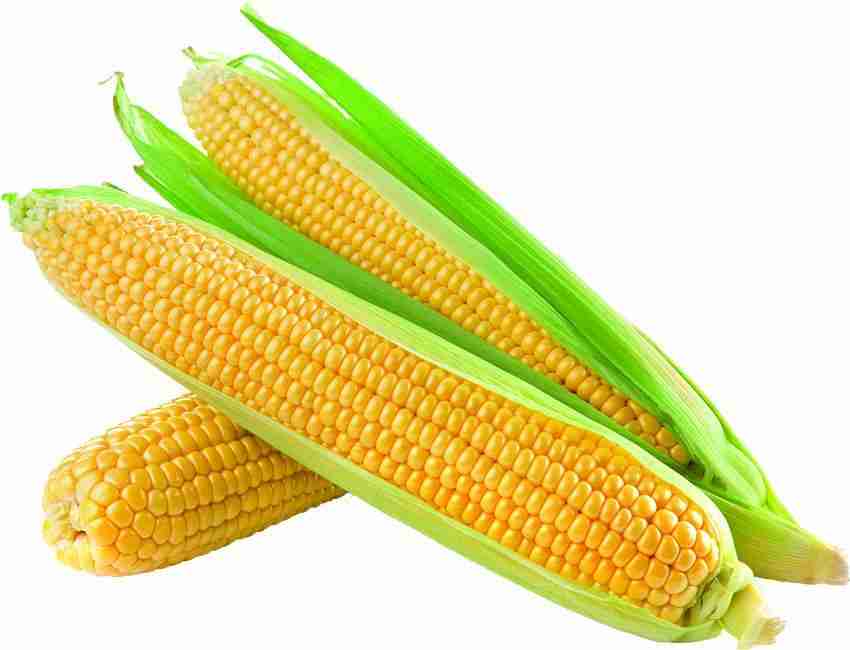
The Journey of Corn: From Field to Industrial Processing
The journey of corn begins in the bountiful fields where sunlight bathed the golden kernels, flourishing under the care of dedicated farmers. As the corn matures, it undergoes a meticulous harvesting process, where state-of-the-art machinery gleans the ripened cobs from the stalks and separates the kernels. Following harvest, the corn is transported to local facilities for initial processing, which is pivotal in ensuring its readiness for various industrial applications. At this stage, several essential steps unfold:
- Cleaning: Corn arrives at the processing facility and undergoes thorough cleaning to remove dirt, debris, and unwanted materials.
- Drying: Moisture levels are carefully regulated, as excess moisture can lead to spoilage. This is achieved through controlled drying processes.
- Shelling: Kernels are separated from the cobs, allowing for easier handling and further processing.
- Grading: The kernels are graded based on size and quality to ensure consistency in the final products.
Once the initial processing is complete, the corn is ready to meet a multitude of industrial purposes. Depending on the intended use, it may be milled into cornmeal, transformed into syrup through enzymatic processes, or even harvested in bulk for the livestock feed market. Each of these paths has its specialized processing methods that can include:
| Processing Method | End Product |
|---|---|
| Milling | Cornmeal, Corn Flour |
| Wet Milling | Starch, Syrup, Sweeteners |
| Dry Milling | Animal Feed, Ethanol |
This multifaceted approach ensures that every kernel is put to good use, with the journey from field to factory showcasing not only the agricultural prowess involved but also the importance of processing technology in maximizing the value extracted from corn.

Unlocking the Nutritional Value: Understanding Corns Versatility
Corn is often seen as a simple staple, but its nutritional profile is rich and varied, making it a powerhouse of dietary benefits. While many might think of corn as mere fodder for livestock or a side dish at summer barbecues, this vibrant grain plays a multifaceted role in human nutrition. Its versatility extends not only to preparations but also to its nutritional contributions, where it stands out for its ability to provide:
- Complex Carbohydrates: Offering a steady energy source that helps maintain stable blood sugar levels.
- Fiber: Essential for digestive health, fiber aids in preventing constipation and promotes a feeling of fullness.
- Vitamins: Corn is packed with B vitamins, notably B6, thiamin, and folate, which are vital for brain function and metabolic processes.
- Minerals: Rich in magnesium and potassium, corn supports cardiovascular health and muscle function.
Moreover, the processing of corn into various products amplifies its versatility in our diets. From cornmeal to cornstarch, and even high-fructose corn syrup, each form carries a unique set of applications and benefits, transforming the grain into essential ingredients for countless recipes. To illustrate the diverse forms of processed corn, consider the following table that summarizes some common uses:
| Product | Use | Nutritional Highlight |
|---|---|---|
| Cornmeal | Baking and breading | High in fiber and gluten-free |
| Cornstarch | Thickening agent | Low-calorie starch source |
| Popcorn | Snack food | Whole grain with antioxidants |
| High-Fructose Corn Syrup | Sweetener | Calories from sugars |
This complex interplay of forms not only enhances the culinary landscape but also elevates the nutritional profile of meals, making corn more than just a simple grain; it is an integral component of a balanced diet. From breakfast cereals to savory dishes, the ability to adapt corn into a variety of products underscores its vital role in both food culture and nutrition.

Innovative Techniques in Corn Processing for Sustainable Production
As the world seeks to enhance sustainability in agriculture, innovative techniques in corn processing have emerged as pivotal solutions. Advanced technologies like precision fermentation and bioprocessing are reshaping how we extract valuable resources from corn. The integration of biotechnology not only improves yield efficiency but also reduces waste, exemplifying a circular economy approach. Furthermore, the development of enzymatic treatments allows for the breakdown of corn starch into high-value byproducts, minimizing the environmental footprint of traditional processing methods.
Another key aspect of modern corn processing is the implementation of sustainable energy systems at production facilities. Many factories are now harnessing biomass energy derived from corn husks and other residues, which provides a renewable energy source and reduces dependence on fossil fuels. Additionally, the adoption of closed-loop water systems has markedly decreased water usage in processing plants, ensuring that water is recycled efficiently and responsibly. These advancements culminate in a harmonious blend of technology and sustainability, paving the way for a greener future in corn production.
Future Trends in Corn Utilization: Embracing Technology and Efficiency
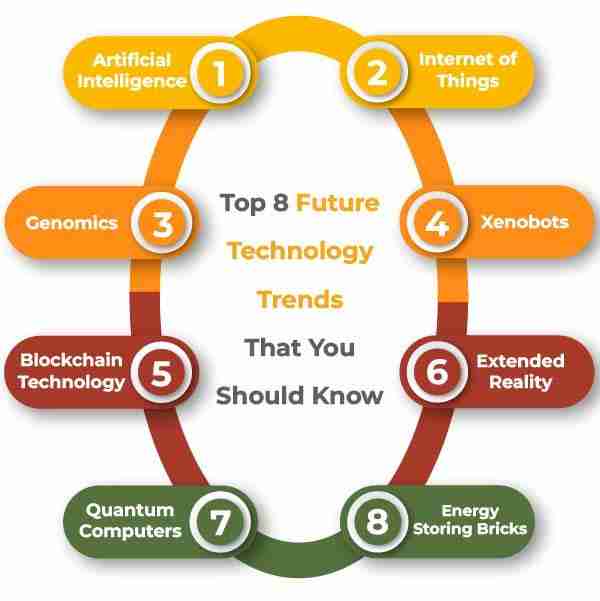
The landscape of corn utilization is rapidly evolving, driven by technological advancements and a push for greater efficiency across the supply chain. Innovations in data analytics enable farmers to harvest precise information about soil conditions, weather patterns, and crop health, thereby optimizing yield. Precision agriculture has emerged as a key player, allowing for targeted interventions that reduce waste and enhance productivity. As we move forward, technologies such as drones, IoT sensors, and automated machinery will become integral in monitoring crop progress, resulting in more sustainable farming practices and a stronger connection to the factory processing stage.
Moreover, the rise of bioengineering is opening new avenues for corn by transforming it into a multifaceted resource. Beyond traditional uses, corn is increasingly being harnessed for bioplastics, biofuels, and biochemicals, paving the way for a circular economy. Not only does this diversify the market for corn, but it also contributes to reducing carbon emissions and dependency on fossil fuels. A significant portion of this transformation hinges on collaborative efforts between farmers, tech companies, and research institutions to ensure quality and efficiency. Consider the following table that highlights potential innovations and their benefits:
| Innovation | Benefit |
|---|---|
| Precision Farming Tools | Optimized resource use & increased yield |
| Genetic Modification | Enhanced disease resistance |
| Smart Irrigation Systems | Water conservation & efficiency |
| Blockchain Technology | Transparency in supply chains |
Wrapping Up
As we journey through the intricate world of corn processing, from the sun-drenched fields to the bustling factories, we uncover not just a method, but a celebration of innovation and sustainability. The humble corn kernel, a staple of our diets and industries, undergoes a remarkable transformation, evolving into a multitude of products that enrich our daily lives—from sweeteners and oils to biodegradable materials and beyond.
Understanding this process enhances our appreciation for the delicate balance between agriculture and technology, where each step is a testament to human ingenuity and the earth’s bounty. As we continue to explore and refine these methods, we cultivate a future that honors the past while embracing the potential of tomorrow.
the art of corn processing is not merely about production; it is a narrative of connection—between farmers and factories, between nature and nurture, and ultimately, between our choices and the impact they carry. So, the next time you enjoy a corn-based product, remember the journey it took to reach your table and the craftsmanship behind it. Together, let us forge a path that honors tradition while nurturing innovation, ensuring that the legacy of corn continues to thrive for generations to come.



