
Enter the fascinating world of corn processing, where the journey from kernel to product is a complex and intricate process. In this article, we will delve into the various stages involved in transforming corn into the everyday products that fill our grocery shelves. Join us as we unravel the mysteries behind this essential staple crop and gain a deeper understanding of the science and technology that make it all possible.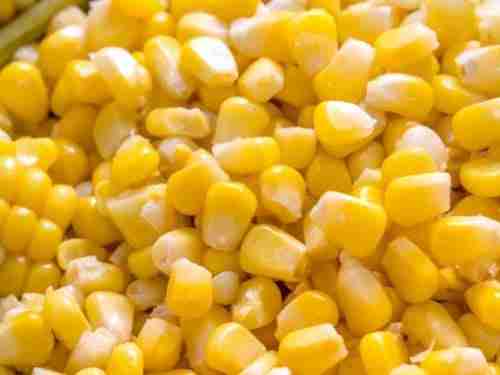
Exploring the Corn Kernel: Anatomy and Composition
Corn is a staple crop with a rich history of cultivation and utilization. The corn kernel itself is a fascinating part of the plant, with a complex anatomy and composition that plays a crucial role in the processing of corn into various products. Understanding the different parts of a corn kernel and how they contribute to the overall composition can provide valuable insights into the industrial processes involved in corn production.
One of the key components of a corn kernel is the endosperm, which makes up the majority of the kernel’s mass. The endosperm is rich in starch, which serves as a source of energy for the developing plant. In addition to starch, the endosperm also contains proteins and oils that are essential for the growth and development of the corn plant. The germ, another important part of the kernel, is a small embryo that contains essential nutrients and oils. Finally, the outer layer of the kernel, known as the pericarp or bran, provides protection and fiber to the seed. By understanding the anatomy and composition of the corn kernel, we can appreciate the intricate processes involved in transforming this humble seed into a wide range of products, from cornmeal to ethanol.
Unlocking the Potential: Methods and Techniques for Corn Processing
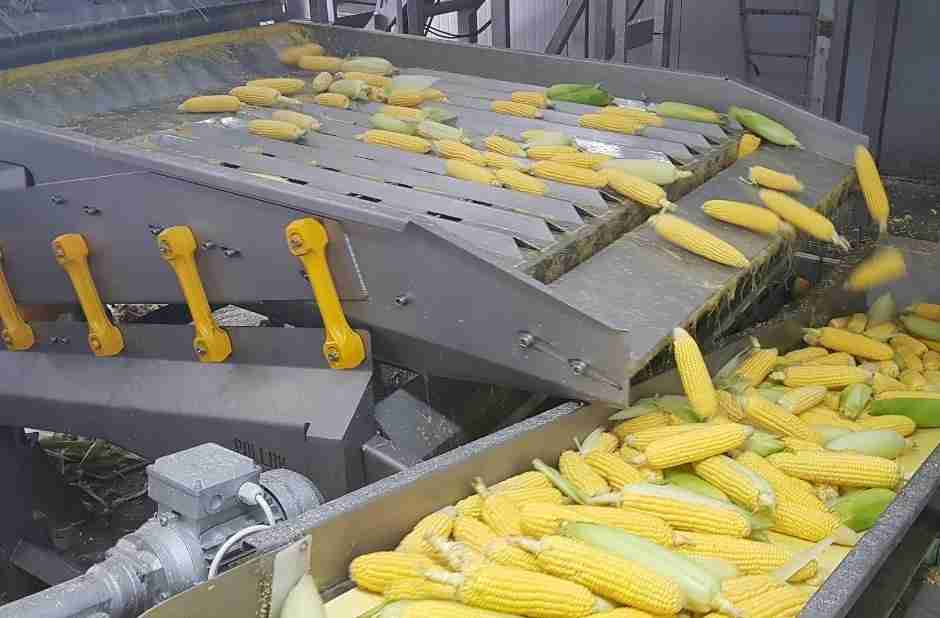
Unlocking the potential of corn processing involves a variety of methods and techniques that transform raw corn kernels into a wide range of products. One key process in corn processing is milling, where the kernels are ground into different particle sizes to create products such as cornmeal, grits, and flour. This step is crucial in unlocking the nutritional benefits of corn and making it accessible for various food applications.
Another important technique in corn processing is extrusion, which involves using heat and pressure to transform corn kernels into a variety of snack products, breakfast cereals, and pet foods. Extrusion allows for the creation of unique textures and shapes, making it a versatile method for unlocking the potential of corn. By combining milling and extrusion with other techniques such as fermentation and drying, corn can be processed into a wide range of products that cater to diverse consumer needs and preferences.

Taking it to Market: Strategies for Developing Corn-Based Products
When it comes to developing corn-based products, the journey from kernel to final product is a fascinating process that involves various strategies and techniques. One key aspect of corn processing is the selection of high-quality corn kernels, which serve as the foundation for the end product. These kernels undergo a series of processing steps, including milling, grinding, and refining, to transform them into a wide range of corn-based products.
From cornmeal and grits to cornstarch and corn syrup, the possibilities are endless when it comes to corn-based products. By utilizing innovative processing methods and staying abreast of market trends, manufacturers can create unique and sought-after products that cater to a diverse consumer base. Whether it’s developing gluten-free snacks or creating sustainable packaging materials, the potential for corn-based products is limitless.

From Farm to Table: The Journey of Corn Processing and Consumption
Corn processing is a fascinating journey that starts from the humble kernels harvested in the fields. These kernels go through a series of intricate processes to transform into a wide range of products that we consume daily. From cornmeal to corn syrup, the versatility of corn is truly remarkable.
During the processing of corn, it is essential to ensure that every step is carefully executed to maintain the nutritional value and quality of the final product. This involves cleaning, milling, and refining the corn to create various products such as cornstarch, corn oil, and corn flour. The end result is a plethora of delicious and nutritious options that make their way onto our tables, showcasing the importance of corn in our diet.
To Conclude
As we’ve journeyed from kernel to product, we’ve uncovered the intricate processes involved in corn processing. From its humble beginnings as a kernel to its transformation into versatile products that we use daily, the journey of corn is truly fascinating. Whether it’s being turned into snacks, meals, or even biofuels, corn continues to play a vital role in our lives. By understanding the complexities of corn processing, we gain a new appreciation for the journey that this humble grain takes to become a part of our everyday lives. So, the next time you enjoy a corn-based product, take a moment to reflect on the journey it has taken to reach your plate.



