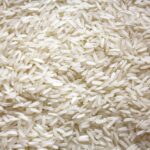
In a world increasingly driven by the need for efficiency and sustainability,the food industry is undergoing a remarkable transformation. At the forefront of this change is a staple that has nourished civilizations for centuries: rice. Particularly, the innovative processing method known as parboiling is reshaping our understanding of grain processing. Parboiled rice processing plants are not just altering the way we prepare this beloved grain; they are redefining the benchmarks of efficiency and sustainability within the food sector. By harnessing advanced technology and eco-pleasant practices,these facilities are poised to meet growing consumer demands while minimizing environmental impact. In this article, we will explore how parboiled rice processing plants are leading the charge in transforming grains, showcasing their pivotal role in crafting a more sustainable future for food production. Join us as we delve into the intricate processes,benefits,and challenges of parboiled rice,and uncover the potential it holds for our culinary landscape and global food systems.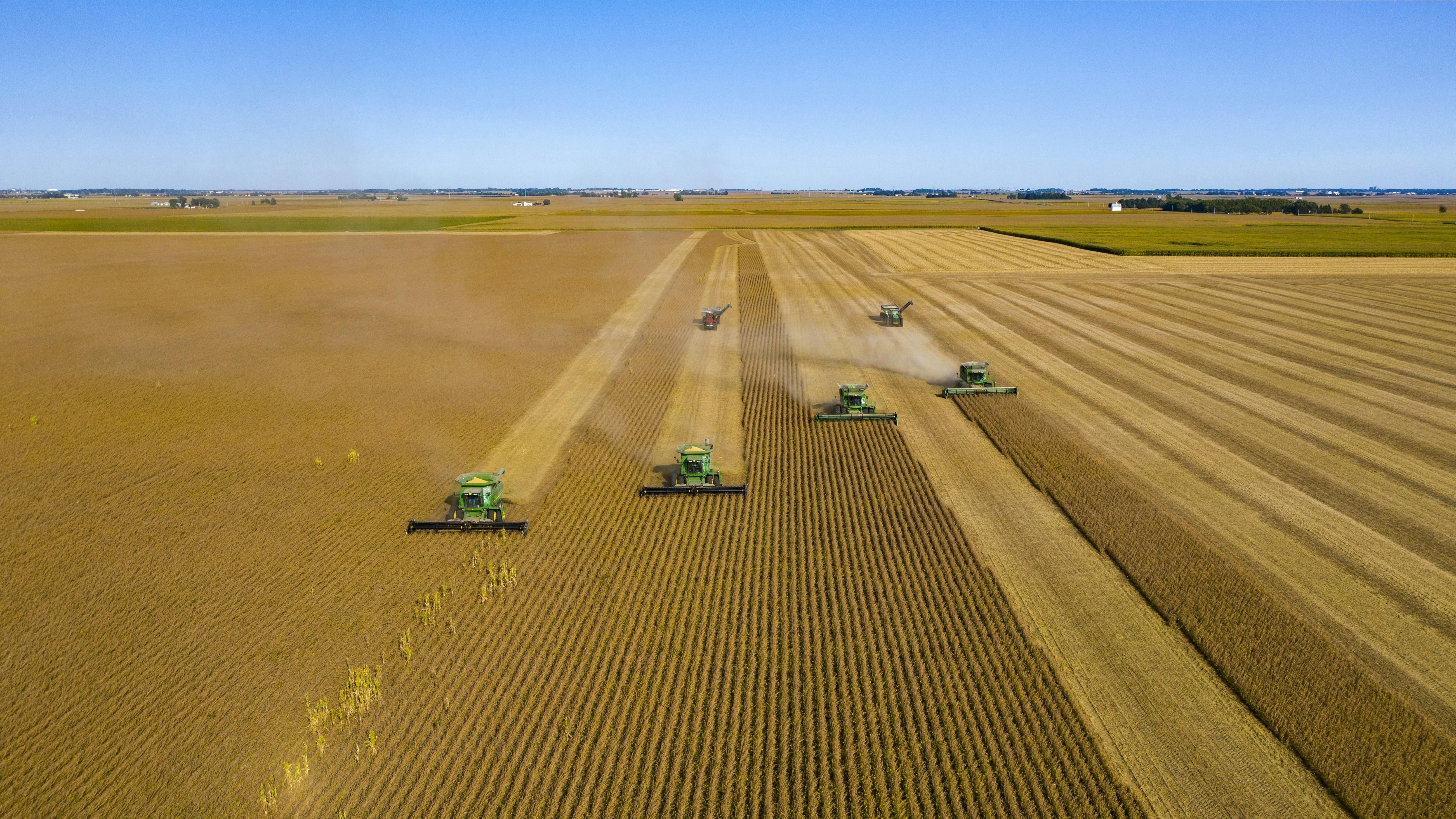
Rethinking Harvests: Unpacking the Environmental Trade-offs of Parboiled Rice Processing
As the popularity of parboiled rice grows, its critical to scrutinize the environmental implications of its processing methods. Traditionally,the parboiling process involves steaming the rice in its husk,a technique that enhances its nutritional value and shelf-life. However, this efficiency comes with important environmental trade-offs. As a notable example, steam utilization demands considerable water resources, and when coupled with energy-intensive drying processes, it can lead to a higher carbon footprint compared to other methods.
One should also consider the waste generated during parboiling, which is often under-discussed. Byproducts such as rice husk and bran can be either resourcefully repurposed or improperly discarded, leading to potential environmental degradation.to mitigate these concerns, a few nuanced recommendations emerge:
- Invest in Closed-Loop Systems: Processing plants should prioritize technologies that recycle water and energy, reducing the overall resource consumption.
- Create Value from Byproducts: Implementing strategies to convert waste into microbial fertilizer or biofuel can transform an environmental burden into a sustainable resource.
While rethinking harvests in the parboiled rice sector may challenge conventional approaches,embracing these insights could lead to a more sustainable future for rice consumption. Balancing efficiency, nutritional benefits, and environmental responsibility is key to redefining our food production systems in a way that reflects both modern needs and ecological integrity.

Efficiency Exposed: The Hidden Costs Behind the Parboiling Revolution in Food Production
The parboiling revolution in food production, particularly in rice processing, promises efficiency and sustainability; however, it masks a multitude of hidden costs that are often overlooked.While the benefits of parboiled rice, such as improved nutritional content and longer shelf life, are well-documented, the underlying processes introduce complexities that can negate these advantages. For instance, the steam treatment method traditionally used for parboiling requires significant energy inputs, which translates into higher operational costs and a carbon footprint that can contradict sustainability goals. Additionally, parboiling processes generate waste byproducts that, if not managed thoughtfully, can lead to environmental degradation. Thus, stakeholders must weigh the benefits against the potential ecological costs and explore alternative, less resource-intensive methods for achieving similar results.
Furthermore, the reliance on advanced machinery and technology in parboiling plants introduces another layer of complexity—capital investment and the need for skilled personnel. Many small-scale producers find themselves at a disadvantage, unable to compete with larger manufacturers that can spread out these costs over high-volume production. this economic disparity not only poses a threat to food sovereignty but may also lead to market consolidations that prioritize profit over local agricultural resilience. consequently, a nuanced approach is required—one that encourages innovative financing solutions and cooperative models that allow smaller producers to access these efficient processing methods without sacrificing their local practices and sustainability. In this context, industry leaders should consider investing in dual-purpose technologies that not only enhance production efficiency but also address sustainability and equity in food systems.
Beyond Superficial Solutions: Are Parboiled Rice Plants Really the Future of Sustainable Agriculture?
While parboiled rice processing plants are often lauded for enhancing efficiency and reducing waste in grain production, the discourse must transcend mere efficiency metrics. The assumption that parboiling is a panacea for the challenges facing sustainable agriculture overlooks critical factors. For instance, while parboiling improves nutritional profiles and storage longevity, it also raises questions about energy consumption and water use during the process.Trade-offs include:
- Resource Intensity: Parboiling requires significant amounts of steam and water, which can strain local resources, especially in regions already facing water scarcity.
- Nutrient Leaching: Despite its benefits, the soaking and steaming stages can lead to nutrient loss if not carefully managed.
- Market Dynamics: Increased production efficiency may lead to lower prices, perhaps destabilizing local economies dependent on customary rice cultivation methods.
To genuinely embrace sustainability through parboiled rice processing, stakeholders must adopt a multi-faceted approach. This involves investing in innovative technologies that reduce the environmental footprint of parboiling, such as energy-efficient steam systems or closed-loop water recycling. Additionally, integrating sustainable agricultural practices—like crop rotation and organic farming—into the supply chain can mitigate negative impacts while enhancing biodiversity. Pairing parboiling with a focus on social equity will also be crucial, ensuring that the benefits of enhanced efficiency do not come at the expense of smallholder farmers and marginalized communities. A nuanced view acknowledges both the potential of parboiled rice plants and the complexities they introduce into the broader agricultural landscape.
Strategic Shifts in grain Processing: Evaluating Parboiling Against Alternative Innovations in Food Systems
In evaluating the role of parboiling in the broader context of grain processing innovations,it becomes essential to dissect its advantages and limitations against alternative emerging technologies. Parboiling enhances the nutritional profile of rice by gelatinizing the starch, making it less prone to breakage during milling while also boosting vitamins and minerals.However, it’s critical to recognize that the process requires significant energy and water resources, which may challenge sustainability initiatives in an era that increasingly values eco-friendly practices. For instance, the emergence of high-heat drying technologies offers a more energy-efficient approach, reducing water usage substantially while preserving nutritional content akin to parboiled rice. In addition, innovations such as fermentation and biofortification present avenues for enhancing grain profile without the environmental costs associated with parboiling.
Making strategic decisions around the implementation of parboiling versus alternative processing methods involves weighing multiple trade-offs. While parboiled rice is favored in certain markets for its superior cooking qualities and shelf life, consumers are becoming more discerning regarding sustainability and health implications. The integration of blockchain traceability and precision agriculture provides ample value, ensuring not only the clarity of food systems but also optimizing resource input and output ratios. Companies must assess market demands and whether investing in parboiling facilities delivers a competitive advantage over committing resources to innovative practices. Moving forward, a nuanced proposal for grain processors is to adopt a hybrid model—combining parboiling with alternative technologies—to mitigate environmental impacts and capitalize on the unique benefits of each approach. A careful evaluation of market trends and consumer preferences will guide these strategic shifts,ensuring that processing plants remain agile and responsive in a rapidly transforming food landscape.
Wrapping Up
As we explore the dynamic landscape of food production, it becomes clear that the transformation of grains, particularly through parboiled rice processing, is more than just a technological advancement; it’s a paradigm shift towards a more efficient and sustainable food industry. These processing plants not only maximize the nutritional value of rice but also minimize waste and energy consumption, paving the way for a greener future.
in this age of innovation, where the demand for sustainable practices intensifies, parboiled rice stands as a testament to what’s possible when science meets agriculture. By embracing these modern techniques, we are not only redefining the way we think about rice but also inspiring a broader conversation about sustainability within the food sector.
As we move forward, let us celebrate these advances while remaining mindful of the challenges that lie ahead. The journey towards a sustainable food system is ongoing, and the success of parboiled rice processing plants serves as a beacon of hope and a model for further innovations. Together, we can cultivate a future where efficiency and sustainability go hand in hand, nurturing both the planet and its people.