
In teh heart of agricultural innovation lies a staple that has nourished civilizations and fueled economies: maize. As one of the world’s most versatile crops,its journey from cob to flour involves a complex milling process that can significantly impact quality,efficiency,and profitability. In this article, we delve into the intricacies of optimizing maize milling, shedding light on the technical specifications that define state-of-the-art milling operations. We will compare various processing methods, examining how choices in machinery and technology can enhance output and reduce waste. Additionally, we will explore the key performance factors that drive effective production, allowing millers to harness the full potential of maize. Join us as we unravel the secrets to transforming this cherished grain into a refined product, ensuring that every kernel contributes to a enduring future.
Innovative Engineering Solutions for Enhancing Maize Milling Efficiency
Innovative engineering solutions can significantly enhance the efficiency of maize milling by optimizing various mechanical and process parameters. Central to these improvements is the design and specification of milling equipment. For instance, roller mills equipped with variable frequency drives (VFDs) allow for precise control over the speed of the rolls, optimizing the grinding process by adjusting the pressure and duration of the impact on maize kernels. This level of control maximizes output while minimizing energy consumption. Key specifications to consider include:
- roller Diameter: Larger diameters can handle greater quantities of maize, but may require more power.
- Number of Rolls: More rolls can increase the extent of milling but also introduce complexity in maintenance and operation.
- Distance Between Rolls: fine-tuning this parameter is crucial to achieve the desired particle size distribution.
Moreover, the integration of sensor technologies, such as moisture meters, can optimize feed rates by adjusting inputs based on real-time grain conditions, leading to reduced waste and improved product quality. Process logic can be enhanced using automation systems that analyze machine performance and make adjustments dynamically. For example, a fully automated milling line may implement closed-loop control systems that continuously monitor output consistency and energy consumption. While these solutions provide formidable advantages in terms of efficiency, limitations exist, including initial capital investment and the need for skilled personnel to manage advanced technologies. Ultimately, the performance factors impacting maize milling include:
| Factor | Impact |
|---|---|
| Machine Utilization | Affects throughput and overall productivity. |
| Energy Consumption | Directly influences operating costs. |
| maintenance Frequency | Affects downtime and long-term operation efficiency. |

Comparative Analysis of Milling Techniques: Evaluating Performance Metrics and Outcomes
When evaluating milling techniques for maize, various performance metrics play a pivotal role in assessing technical efficacy. Primary methods include stone milling,hammer milling,and roller milling,each offering distinct advantages and challenges in the context of grain processing. Performance metrics typically encompass the following criteria:
- Particle Size Distribution: Fine milling achieves a more uniform particle size, crucial for food applications, while coarse milling is often used for animal feeds.
- Energy Consumption: Hammer mills generally use more energy for the same output as roller mills but can handle larger volumes depending on the size and configuration.
- Operational Speed: Roller mills provide higher throughput rates compared to stone mills,which may be better suited for specialty products.
- Maintenance Requirements: Stone milling demands more frequent maintenance and recalibration due to its mechanical wear while roller milling typically has longer service intervals.
Moreover, understanding the mechanisms behind each technique yields insights into their operational logic. As an example,stone mills crush grains between two emery stones,ensuring minimal heat generation and preserving the nutritional qualities of maize. In contrast, hammer mills utilize blades that rapidly shred the grain, promoting high gradation in a shorter time span but introducing potential heat damage. Leveraging these aspects, a comparative analysis can be arranged as follows:
| Technique | Efficiency | Capital Investment | Maintenance Needs |
|---|---|---|---|
| Stone Milling | Low to Medium | High | High |
| Hammer Milling | High | Medium | Medium |
| Roller Milling | Very High | Very High | Low to Medium |
Each method’s limitations are also noteworthy; as a notable example, while roller mills produce a fine, high-quality output, they require significant investment and operational expertise. Hammer mills, on the other hand, might compromise product quality due to heat, leading to nutrient loss. An in-depth understanding of these performance factors and technical parameters permits operators to choose the most suitable milling technique, driving efficiencies while aligning with end-product specifications.

Material Properties and Their Impact on Maize Milling Process Optimization
Understanding the material properties of maize is crucial for optimizing the milling process, as it directly influences the efficiency and quality of the end product. The key properties that must be considered include moisture content, kernel hardness, and grain size. Moisture content significantly affects milling efficiency; optimal moisture levels (typically between 13% and 15%) facilitate better grinding and reduce wear on milling equipment. Kernel hardness is another critical factor; harder kernels require more energy to mill and can lead to increased operational costs. Grain size uniformity also plays a role in achieving consistent flour quality, as variations can result in uneven particle size distribution.
to assess these material properties, several analytical methods and specifications exist. For example, standard tests for kernel hardness frequently enough utilize a hardness tester calibrated to specific energy requirements. The following table summarises these characteristics and their implications for milling:
| Material Property | Impact on milling | Optimal Range |
|---|---|---|
| Moisture Content | Influences grinding efficiency and energy consumption. | 13% – 15% |
| Kernel Hardness | Affects energy requirements for milling. | Varies by maize variety (measured in kgf/mm²) |
| Grain Size | Determines consistency and quality of final product. | Uniformity is key. |
When evaluating milling equipment, the specifications concerning the energy efficiency and throughput should align with maize’s physical characteristics. For instance,a mill designed for high moisture content maize should have a robust moisture management system to avoid clumping and ensure consistent feeding rates. Furthermore, comparative studies between roller mills and hammer mills reveal distinct advantages and limitations based on kernel hardness. Roller mills offer better control of particle size but may struggle with excessively hard grains, while hammer mills provide flexibility in processing varied kernel hardness but may lead to increased heat generation, affecting the nutritional quality of the flour. Understanding these interactions is vital for selecting the most appropriate milling method and equipment configuration for specific maize types.
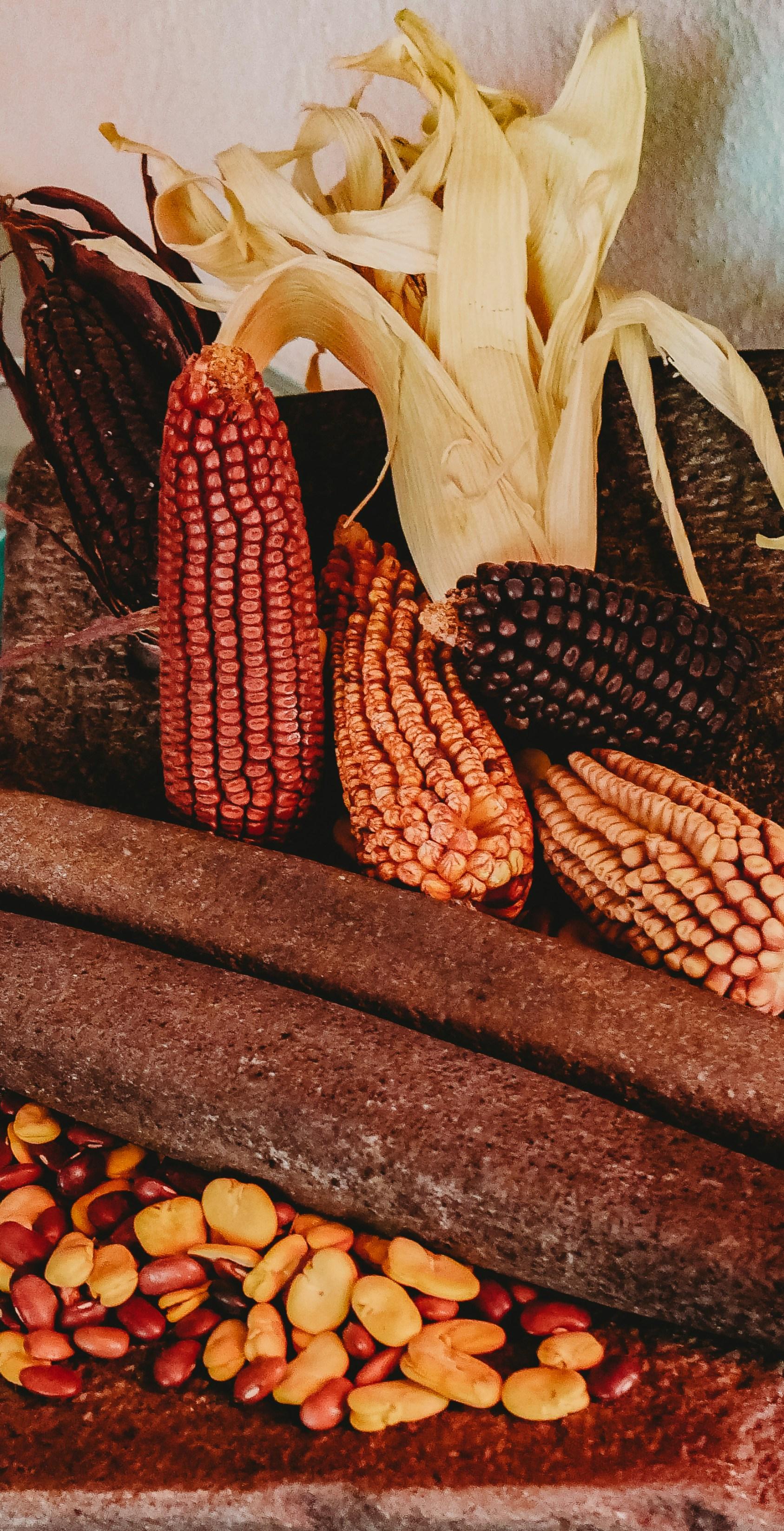
Critical Performance Indicators in Maize Milling: A Focus on Quality and Yield
In maize milling, critical performance indicators (KPIs) are essential for assessing the efficiency and effectiveness of the milling process, notably in terms of quality and yield.Key parameters include extraction rate, moisture content, and product consistency. The extraction rate,which measures the amount of flour produced from a given weight of maize,typically ranges from 70% to 80% for optimal milling operations. Maintaining the right moisture content,ideally between 13% to 14%,is crucial; excessive moisture can lead to mold growth,while insufficient moisture affects the milling yield and flour quality. Additionally, product consistency, typically evaluated through particle size distribution, impacts end-user applications such as baking or cooking, and should ideally fall within standardized ranges specific to the milling target.
When assessing performance, several specifications come into play. For example,the use of roller mills as opposed to customary stone mills can enhance both yield and quality due to their superior capability in controlling particle size and uniformity. A comparative analysis highlights that roller mills can achieve a particle size distribution (PSD) with standards such as 70% of flour being below 200 microns while stone mills might yield a wider PSD that can impact the baking properties of flour. Limitations arise from varying input quality; using high-ash maize results in lower quality flour, affecting both yield and operational efficiency. Thus, monitoring the health of milling equipment, using vibration analysis and temperature checks, is crucial in preventing downtimes that can adversely affect production.The incorporation of data analytics in monitoring these KPIs can further refine processes, optimize yield, and ensure high-quality output from maize milling operations.
In Summary
navigating the complex landscape of maize milling demands a blend of technical knowledge, strategic process choices, and a keen understanding of performance metrics. By delving into the intricacies of milling specifications, evaluating various processing methods, and identifying key operational factors, producers can unlock the full potential of their maize milling operations. As the industry continues to evolve, embracing innovative technologies and optimized processes will be paramount in achieving not only efficiency but also sustainability in production. As we look ahead, the future of maize milling holds exciting possibilities—those ready to adapt and refine their approaches will undoubtedly lead the way. With informed decisions and a commitment to excellence, the journey toward optimized maize milling is both a challenge and an opportunity, transforming how we harness the power of this essential crop.



