
Harvest to Table: The Journey of Rice Through the Mill
In a world where culinary practices are steeped in tradition and innovation, few ingredients hold as much importance as rice. This seemingly simple grain is a staple across cultures, a symbol of sustenance, and a canvas for creativity in the kitchen.Yet, the journey from paddy field to dinner plate is often overlooked, obscured by the bustle of modern life. As the sun rises over verdant fields, the meticulous process of harvesting rice begins, ushering in a chain of events that will transform this humble crop into a beloved staple. Join us as we explore “Harvest to Table”, unraveling the intricate journey of rice as it passes through the mill—where it is polished, processed, and prepared for its final destination. from the rhythmic swaying of golden stalks to the whir of machinery,every step is a testament to the labor,tradition,and passion that elevate rice from mere grain to an essential part of our culinary heritage.
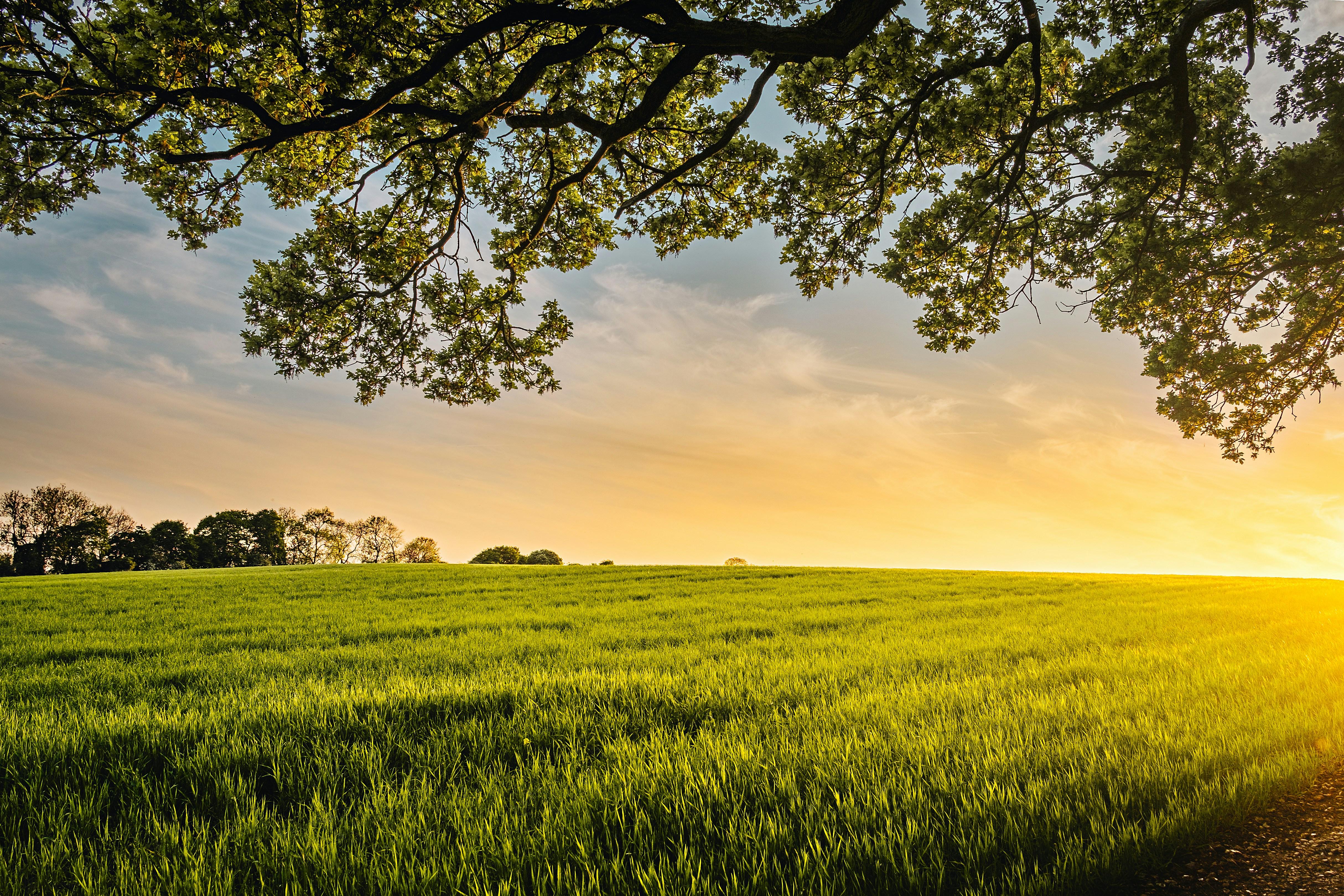
The field to Fork Experience: Understanding Rice Cultivation
The journey of rice from the lush paddies to our plates is a engaging tale of nature’s bounty and human endeavor. cultivated under the sun’s warm gaze, rice begins its life as tiny seeds, which, when nestled in wet soil, sprout into vibrant green stalks. The cultivation of rice involves a series of meticulous steps, including:
- Planning of the land: Farmers prepare the fields by plowing and leveling the soil, ensuring proper drainage and water retention.
- Sowing: The seeds can be planted directly into the waterlogged fields or sown in nurseries and later transplanted.
- Water management: Maintaining the right water levels is crucial for healthy growth, as rice is a semi-aquatic plant.
- Fertilization: Nutrient-rich fertilizers are applied to boost growth and yield.
- Pest and weed control: Farmers vigilantly manage pests and weeds to protect their crops.
As the rice matures, a beautiful change occurs; golden grains emerge, promising nourishment and sustenance. Harvesting typically occurs when the grains become firm and golden,often marking a time of celebration and community effort. The harvested rice undergoes several stages before it reaches our tables:
| Stage | Description |
|---|---|
| Threshing | Separating the edible grains from the stalks. |
| Drying | Reducing moisture content to prevent spoilage. |
| Milling | Removing the husk and bran to produce white rice. |
| Packaging | Preparing the rice for distribution to markets. |
This labor-intensive journey from seed to grain exemplifies the commitment of farmers to their craft and highlights the importance of lasting practices in securing the future of rice cultivation. Each bowl of rice we enjoy carries with it the legacy of hard work, tradition, and dedication to feeding the world.
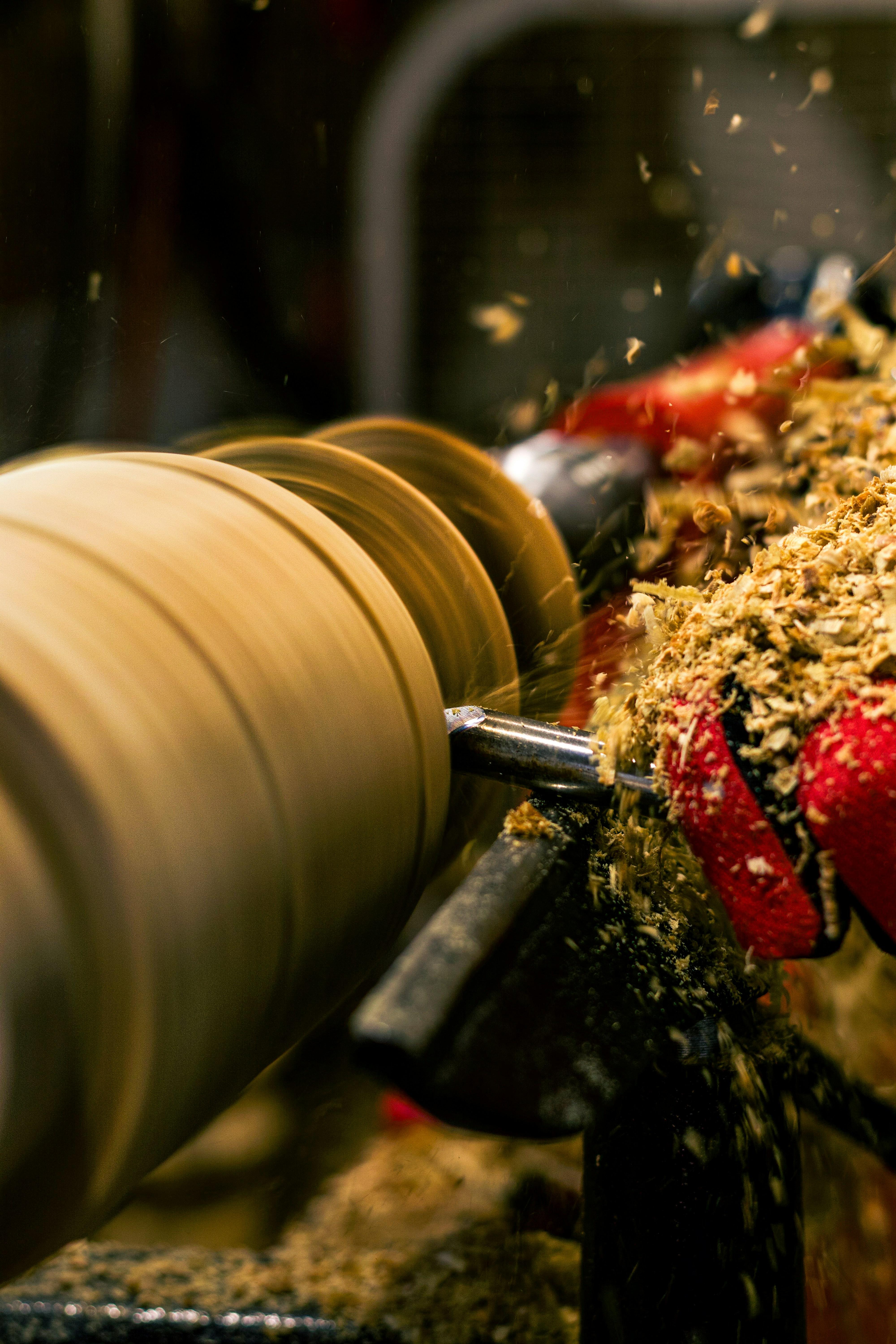
The Milling Process unveiled: Transforming Raw Grain into Culinary Gold
The milling process is a symphony of engineering and nature, transforming raw rice grains into the shining pearls that grace our tables. Once harvested, the rice enters the mill where it undergoes a meticulous transformation. Initially, the outer husk is removed, revealing the brown rice beneath.this is where the journey of refinement begins.A series of *mechanical processes* follow, including grinding, polishing, and grading, each step designed to enhance both the texture and nutritional quality of the final product.
One of the most fascinating aspects of milling is the careful calibration of machinery to ensure optimal results. Throughout the process, quality checks are implemented to guarantee that only the best grains pass through. Key factors influencing this meticulous selection include:
- Moisture Content: Essential for both shelf life and cooking outcomes.
- Grain Size: Uniformity is crucial for even cooking.
- Foreign Material Presence: Maintains purity and quality.
| Step in Milling | Purpose |
|---|---|
| Husking | Removes the outer husk from the grain. |
| Polishing | Enhances the appearance and texture. |
| Grading | Sorts the rice by size and quality. |
ultimately, this blend of tradition and technology guarantees that each bag of rice we purchase holds not just grains, but a rich heritage steeped in patient craftsmanship. The journey from husk to polished grain exemplifies the dedication to quality in the mill, ensuring that every spoonful is a testament to the sustainable practices and innovations in modern milling.
A Nutritional Perspective: The Benefits of Whole Grain Rice
Whole grain rice, frequently enough referred to as brown rice, is a nutritional powerhouse that offers a multitude of health benefits. Unlike its refined counterpart, whole grain rice retains the bran and germ layers, making it a rich source of essential nutrients.These include:
- Fiber: Aiding in digestion and promoting a feeling of fullness.
- Vitamins: B vitamins, such as B1 (thiamine), B3 (niacin), and B6, contribute to energy metabolism and support the nervous system.
- Minerals: Significant amounts of magnesium, phosphorus, and iron are vital for bone health and red blood cell production.
Considering its lower glycemic index, whole grain rice can definitely help keep blood sugar levels stable, making it a smart option for those monitoring their glucose levels. It also supports heart health due to its antioxidant properties and cholesterol-lowering effects. Consuming whole grain rice can lead to a balance of nutrients that play a crucial role in overall well-being. Below is a simple comparison of whole grain rice versus refined rice:
| Nutrient | Whole Grain rice | Refined Rice |
|---|---|---|
| Fiber (per cup) | 3.5 g | 0.6 g |
| Magnesium (per cup) | 84 mg | 19 mg |
| Iron (per cup) | 0.8 mg | 0.2 mg |
Sustainable Practices for Future Harvests: Enhancing Rice Production
As we explore the intricate journey of rice from harvest to the table,it is essential to recognize the sustainable practices that can enhance its production. Incorporating techniques such as crop rotation, integrated pest management, and waste recovery can lead to a more resilient agricultural ecosystem. Farmers can benefit from utilizing organic fertilizers, which not only nourish the soil but also reduce dependency on chemical inputs. Furthermore, adopting water-efficient irrigation methods, like drip irrigation and alternate wetting and drying, can help optimize water usage, essential in a world facing increasing water scarcity.
Collaboration between farmers and research institutions is vital in promoting innovation and sustainability within rice production. Establishing farmer cooperatives can lead to shared resources, skills, and knowledge, allowing for more effective communication of sustainable agricultural practices.Consider these impactful strategies:
- User-friendly technology: Implementing mobile apps for weather updates, pest alerts, and market prices can empower farmers.
- Diversity in cultivation: Introducing legumes or other companion crops can improve soil fertility and support pest control.
- Community education: Workshops on sustainable farming techniques can foster enthusiasm and engagement among local farmers.
Concluding Remarks
As we conclude our exploration of the journey of rice from harvest to table, it becomes clear that this seemingly simple grain carries with it a rich tapestry of history, culture, and effort.Each step in its journey—from the rhythmic sway of rice paddies under the sun to the intricate processes of milling—highlights the dedication of those involved in bringing this staple from the earth to our plates.
Understanding the transformation of rice not only deepens our thankfulness for this vital food source but also connects us to the countless hands that nurture,cultivate,and process it. As we savor each grain, let us remember the journey it has undertaken and the stories it embodies. In a world that frequently enough feels disconnected from its food sources, let the tale of rice remind us of the importance of mindful consumption and the collective effort that sustains us.So, the next time you sit down for a meal, take a moment to reflect on the journey from harvest to table. In that pause lies a quiet respect for the intricate network of nature and human labor that feeds us, reminding us that every bite is, indeed, a story waiting to be told.



