In the heart of agricultural landscapes,where golden fields sway under the sun’s warm embrace,the journey of maize begins—an age-old staple that has nourished civilizations for millennia. But what happens when these vibrant ears of corn are harvested and brought to the mill? “From Cob to Flour: The Process of Maize Milling Uncovered” delves into the interesting conversion of maize, exploring the artisanal craftsmanship and refined technology behind its metamorphosis into flour.This article peels back the layers of this intricate process, revealing the steps that take maize from its humble cob to the fine flour that forms the foundation of countless culinary creations. Join us as we navigate through the grinding mills, discover the science of grain, and celebrate the age-old tradition that brings this versatile ingredient to our tables, highlighting the journey of maize from field to fork.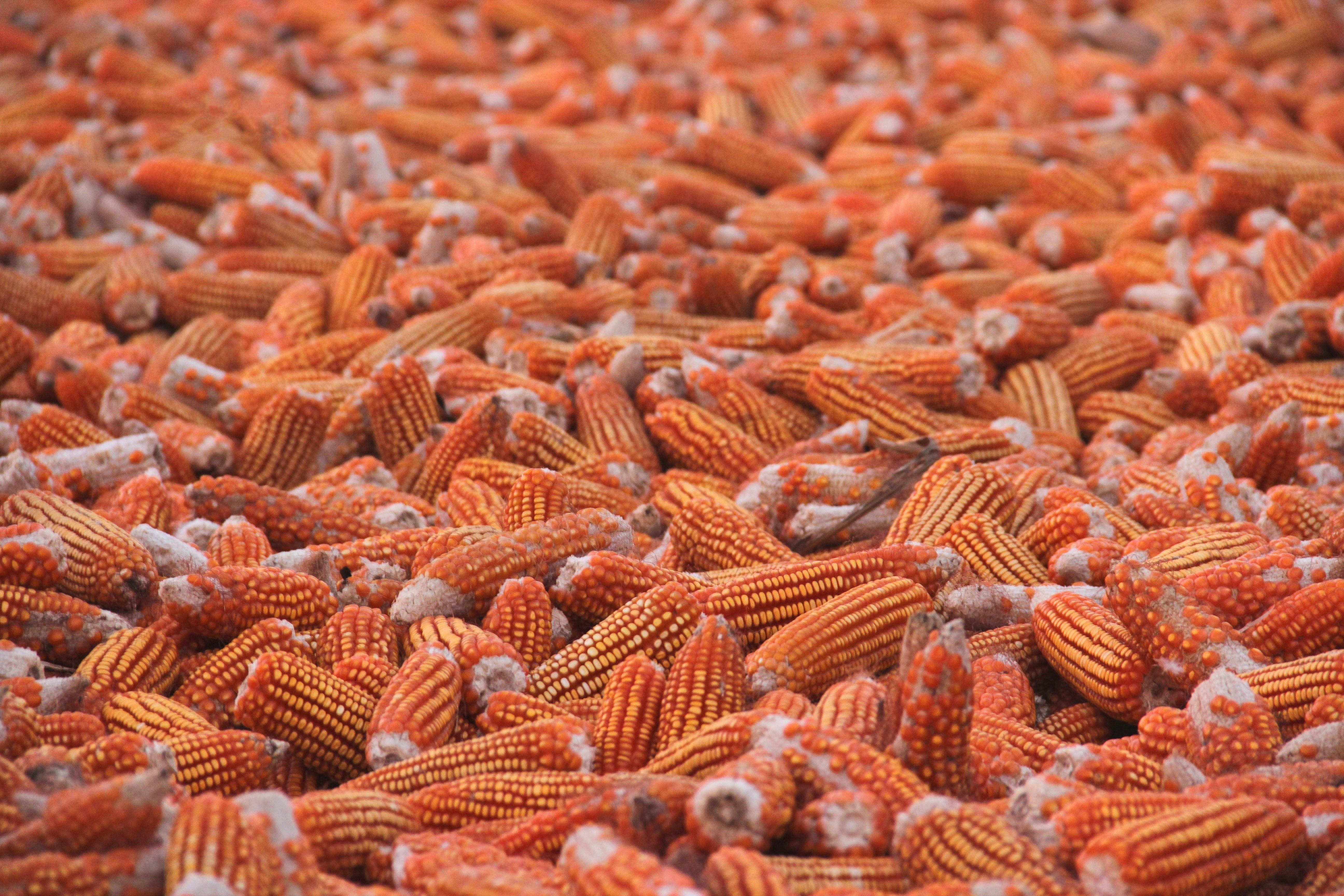
Understanding the maize Milling Journey from Cob to Flour
Maize milling is a fascinating journey that transforms vibrant yellow cobs into fine flour,ready for a variety of culinary creations.The process begins with the careful selection of high-quality maize, harvested at its peak ripeness.Each cob is then cleaned and inspected to ensure it meets strict quality standards. After this initial step, the maize undergoes a drying phase where the moisture content is reduced, paving the way for efficient milling. Once adequately dried, the kernels are separated from the cob, an essential part of the transformation.
next, the journey continues as the dried kernels are ground into flour using specialized milling equipment designed to retain the nutritional value and flavor of the maize. This process involves several stages, including:
- Grinding: The kernels are crushed into granules.
- Sifting: The ground material is sifted to separate fine flour from coarser particles.
- Packaging: The final product is packaged in clean, breathable materials to maintain freshness.
Throughout this journey, quality control measures are implemented to ensure that the flour produced is consistent and meets market standards.the end result is a versatile ingredient that plays a crucial role in many cultures, showcasing the beauty of maize in its simplest form.
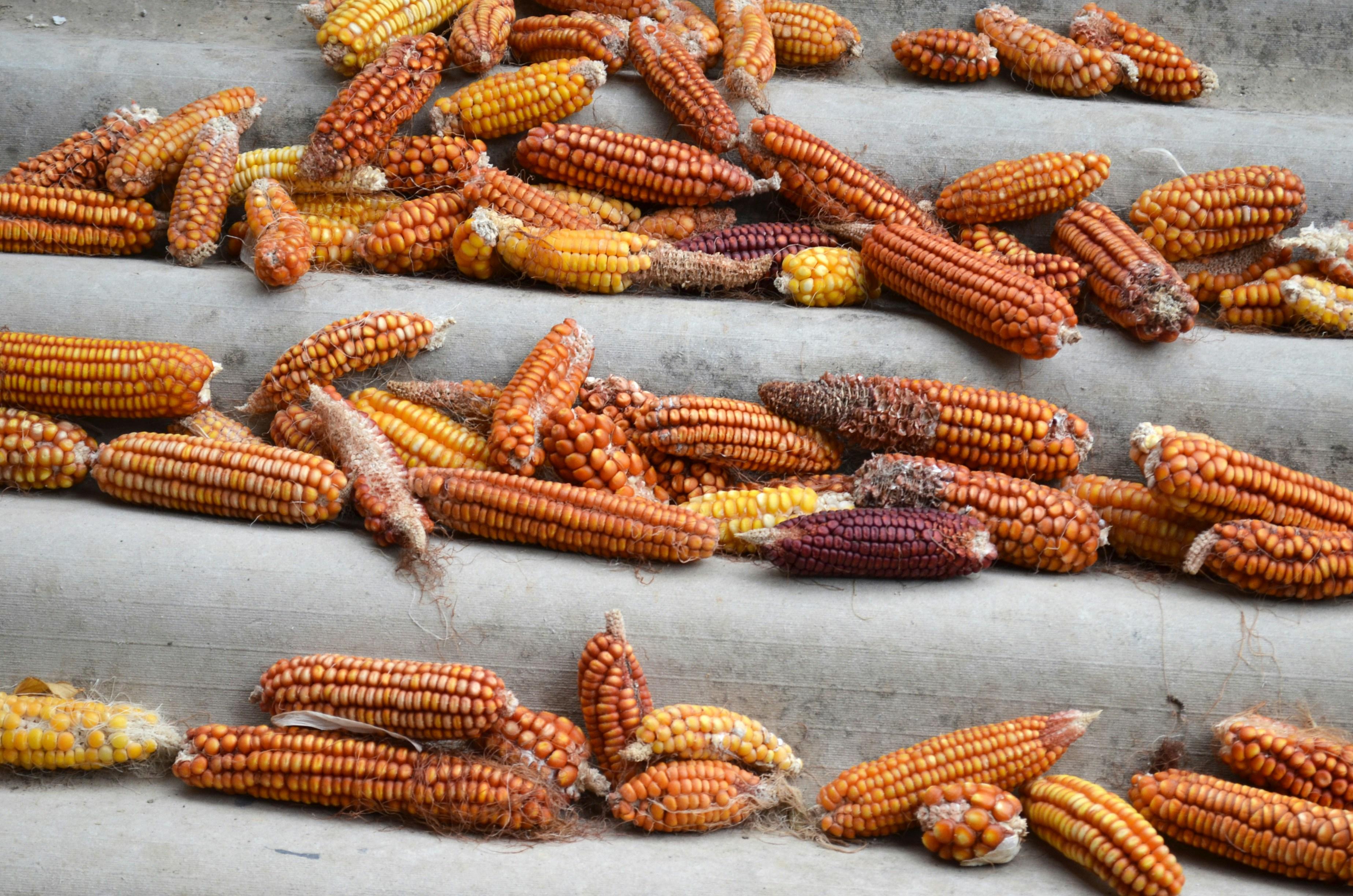
Key Techniques for Efficient Maize Milling Production
Efficient maize milling production requires a meticulous approach to both equipment and process management. One of the most crucial aspects is selecting the right milling machinery, tailored to the specific needs of the operation. High-performance hammer mills, roller mills, and impact mills offer distinct advantages depending on the desired flour texture and production volume. The integration of automated systems for monitoring moisture content and particle size is vital, ensuring consistency in the final product while minimizing waste. Regular maintenance of milling equipment also contributes significantly to operational efficiency,reducing downtime and repair costs.
Another key technique in maize milling is cleaning and conditioning of the grain prior to milling. This step involves multiple processes that effectively eliminate contaminants and prepare the maize for optimal milling. Essential practices include:
- Screening: Removing debris and oversized particles.
- Washing: Eliminating dust and foreign materials.
- Moisture Adjustment: Conditioning the maize to achieve an ideal moisture level for milling.
In addition, understanding the various output options is crucial. Depending on consumer demand, millers may produce fine flour, coarse grits, or even starch. Here’s a table showcasing some of the common by-products:
| By-Product | Request |
|---|---|
| Maize Flour | Used in baking and cooking. |
| Grits | Popular in breakfast cereals and side dishes. |
| Starch | Widely used in food processing and industrial applications. |
| Bran | Used as animal feed or in health foods. |
Implementing these techniques not only enhances productivity but also positions milling operations to adapt to market demands, ensuring continued success in a competitive landscape.
Exploring Nutritional Variances in Different Types of Maize Flour
As maize flour varies significantly based on the variety of maize used, understanding these differences can greatly enrich culinary applications and health benefits. Primarily, maize flour can be categorized based on the color and type of the maize grain, which impacts everything from taste to nutritional profiles. For instance, yellow maize flour, often hailed for its higher carotenoid content, provides a vibrant hue and potential health benefits due to its antioxidant properties. In contrast, white maize flour is known for its versatile, neutral flavor, making it a staple in countless recipes, especially in Southern cuisine. Additionally, blue maize flour, rich in anthocyanins, offers unique nutritional advantages that may support heart health and cognitive function.
Nutritional content can vary not just by color but also by the milling process employed. The degermination process,where the germ and bran are removed,results in a finer flour but diminishes fiber,vitamins,and minerals. Conversely, whole-grain maize flour retains all parts of the kernel, thereby enriching the final product with essential nutrients. Here’s a quick comparison of different types of maize flour:
| Type of Flour | Key Nutrition Benefits | Best uses |
|---|---|---|
| Yellow Maize Flour | High in antioxidants,vitamin A | Soups,sauces,baking |
| White Maize Flour | Rich in fiber,mild taste | tortillas,baking,thickening |
| Blue Maize Flour | Contains anthocyanins,promotes heart health | Unique dishes,pancakes |
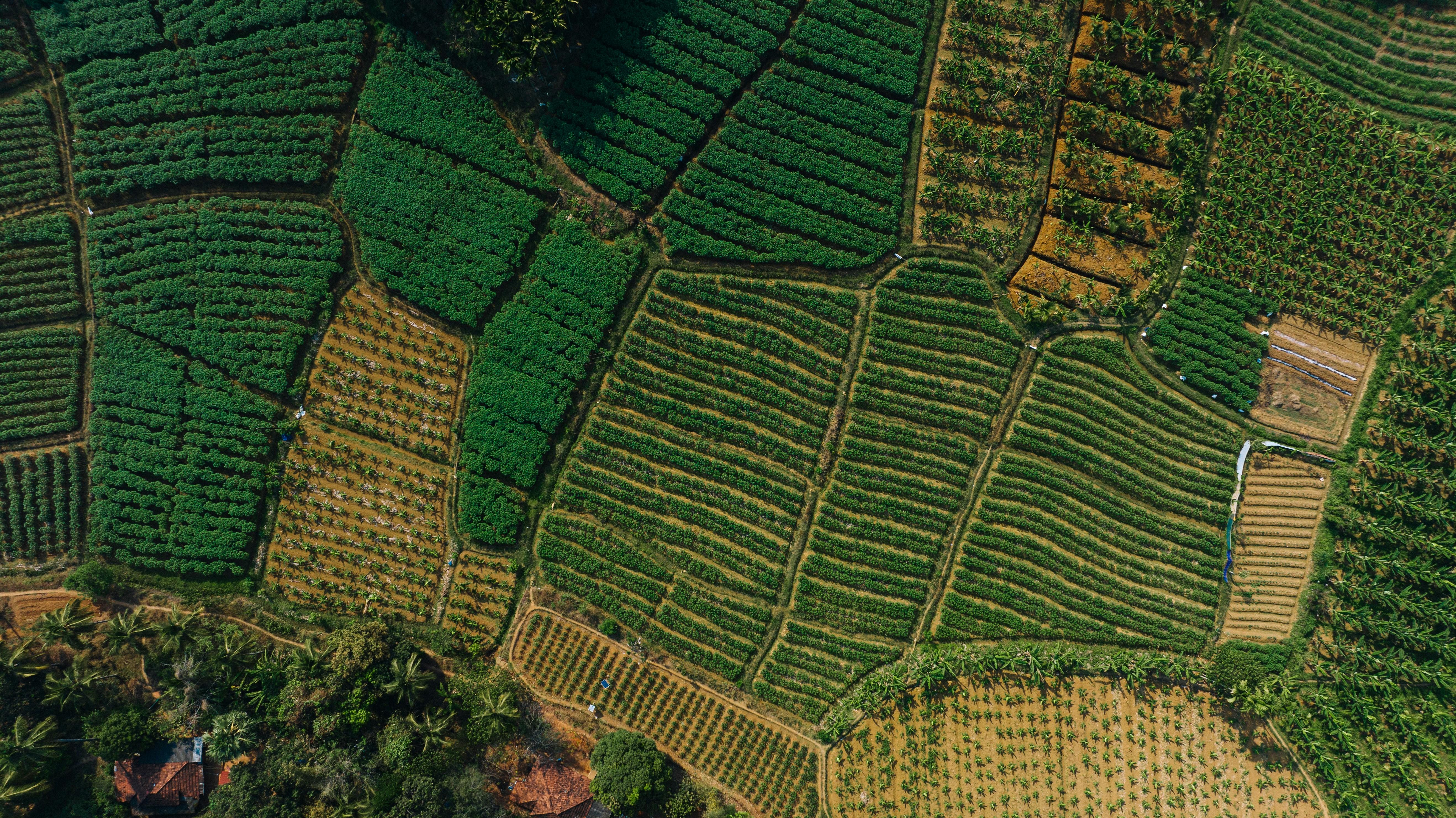
Sustainable Practices in Maize Milling for Future Generations
Minimizing the environmental footprint of maize milling is not just a trend; it’s a necessity for ensuring the viability of the industry for generations to come. By adopting innovative sustainable practices, maize milling operations can reduce waste, conserve energy, and contribute positively to the ecosystem.Here are some key strategies:
- Energy efficiency: Implementing energy-efficient machinery that utilizes renewable sources can significantly lower carbon emissions.
- Water Conservation: Employing advanced filtration and water recycling systems minimizes water wastage during the milling process.
- Waste Utilization: turning by-products like husks and germ into animal feed or biofuel creates a circular economy.
Moreover, transparency in operations and adopting more holistic approaches to sourcing can enhance community ties and promote responsible agriculture. Collaborations with local farmers to use organic or non-GMO maize, and also practicing crop rotation, can yield benefits for both the surroundings and the local economy. Consider these aspects:
| Aspect | Benefits |
|---|---|
| Local Sourcing | Supports local economies and reduces transportation emissions. |
| Organic Practices | Less reliance on chemicals preserves soil health. |
Concluding Remarks
As we draw the curtain on our exploration of maize milling, it’s clear that this age-old process is a fascinating blend of tradition and innovation. from the golden, sun-kissed cob to the fine, versatile flour that graces our kitchens, each step in the conversion journey reveals the intricate relationship between agriculture and gastronomy.
Understanding the nuances of maize milling not only enhances our appreciation for this staple crop but also deepens our connection to the countless culinary delights it inspires, from tortillas to cornbreads. With advancements in technology continually reshaping the milling landscape, the future promises exciting developments for both producers and consumers alike.
As you sift through the recipes and meals that incorporate this vital ingredient, take a moment to reflect on the journey your food has taken—from the humble cob to the inviting bag of flour in your pantry.It serves as a reminder of the labor and creativity that bring nourishment to our tables, bridging cultures and generations through the simple yet profound act of milling.
In a world that frequently enough rushes forward, let us not forget the stories woven into each grain, encouraging us to appreciate the process as much as the product. Happy cooking,and may your culinary adventures with maize flour be as rich and rewarding as the journey it undertook to get there.