Grinding Success: Exploring the Art of Cereal Milling
In a world increasingly driven by automation and rapid production,the age-old craft of cereal milling stands as a testament to the balance between tradition and innovation. From the rustic charm of water-powered mills nestled along babbling brooks to the sleek,high-tech operations of modern grain processing facilities,cereal milling represents a crucial yet frequently enough overlooked pillar of our food systems. This article invites you to journey thru the intricate processes and meticulous techniques that define the art of milling.we will delve into the science behind transforming raw grains into versatile ingredients,explore the historical evolution of milling practices,and highlight the skilled hands and cutting-edge technology that converge to create textures and flavors essential to our daily sustenance. Join us as we uncover the grind behind the grain and celebrate the unsung heroes of the milling industry.

Unlocking the Journey from Grain to flour: Understanding the milling Process
The transformation of grain into flour is a remarkable journey that intricately weaves together nature, craftsmanship, and innovation. At its core, this process begins with the careful selection of grains, where quality is paramount. Farmers harvest crops such as wheat, corn, and rye, which undergo rigorous testing to ensure they meet the desired standards. Once harvested, these grains are brought to milling facilities where they will undergo a thoughtful and systematic procedure. The milling process comprises several essential stages, including:
- Cleaning: Removing impurities and foreign materials from the grains.
- Tempering: Adding moisture to prepare the grains for milling.
- Milling: Grinding grains into flour using various milling methods.
- Sieving: Separating flour based on particle size to achieve desired textures.
- Bagging: Packaging the finished flour for distribution.
Each of these stages plays a crucial role in determining the quality and characteristics of the final product. Milling equipment has evolved significantly over the years, adopting both customary stone milling and modern roller milling techniques. Stone mills,revered for preserving the grain’s nutrients,produce a coarser flour,while roller mills offer precision and consistency for a finer texture. The choice of milling method impacts not only the flour’s appearance and taste but also its functionality in various culinary applications. To better understand this, consider the following comparison of flour types:
| Flour Type | texture | Uses |
|---|---|---|
| All-Purpose Flour | Fine | Baking, Cooking |
| Whole Wheat Flour | Coarse | Breads, Muffins |
| Pastry Flour | soft | Pastries, Cakes |
| Corn Flour | Very fine | Thickening, Gluten-Free Baking |
Mastering Machinery: Essential Equipment for Efficient Cereal milling
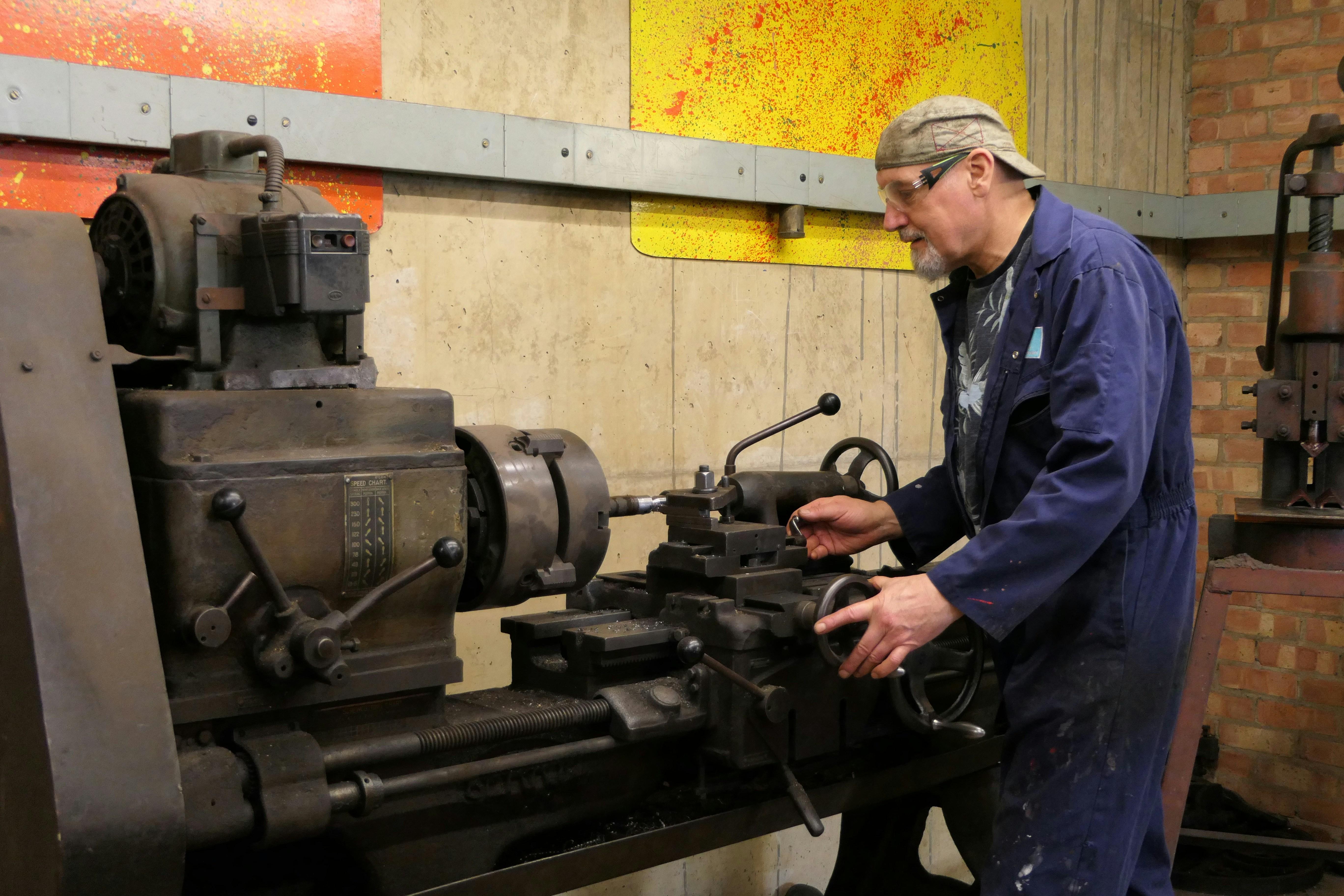
the heart of accomplished cereal milling lies in mastering the right machinery. Each piece of equipment plays a critical role in ensuring a smooth and efficient milling process. From the initial cleaning to the final packaging, the right tools are crucial for achieving high-quality flour and cereals.Among the essential machinery, consider the following:
- Roller Mills: Ideal for crushing and grinding grains, allowing for precise control over the coarseness of the flour.
- Hammer Mills: Effective for producing bran and fine flours, offering versatility in processing different grain types.
- oven Dryers: Key for moisture removal, ensuring the longevity of stored milled products without compromising quality.
- Cylindrical Screens: Useful for separating particles of various sizes, crucial for optimizing the milling process.
In addition to conventional milling equipment, modern technology has introduced advanced systems that enhance productivity and quality control. Among these innovations, automated control systems offer real-time monitoring of the milling process, which helps in maintaining consistent product quality. Innovative solutions include:
| Machine Type | Benefits |
|---|---|
| Automated Control Systems | Real-time monitoring, ensuring precision and consistency. |
| Magnet Separators | Eliminates metal contaminants, enhancing product safety. |
| Dust Collection Units | Improves workplace safety and product quality by minimizing airborne particles. |
By investing in the right machinery and continuously exploring technological advancements, businesses can elevate their cereal milling operations, ensuring they meet market demands and consumer expectations. Mastery over these essential components is what sets apart leading milling enterprises from their competitors.
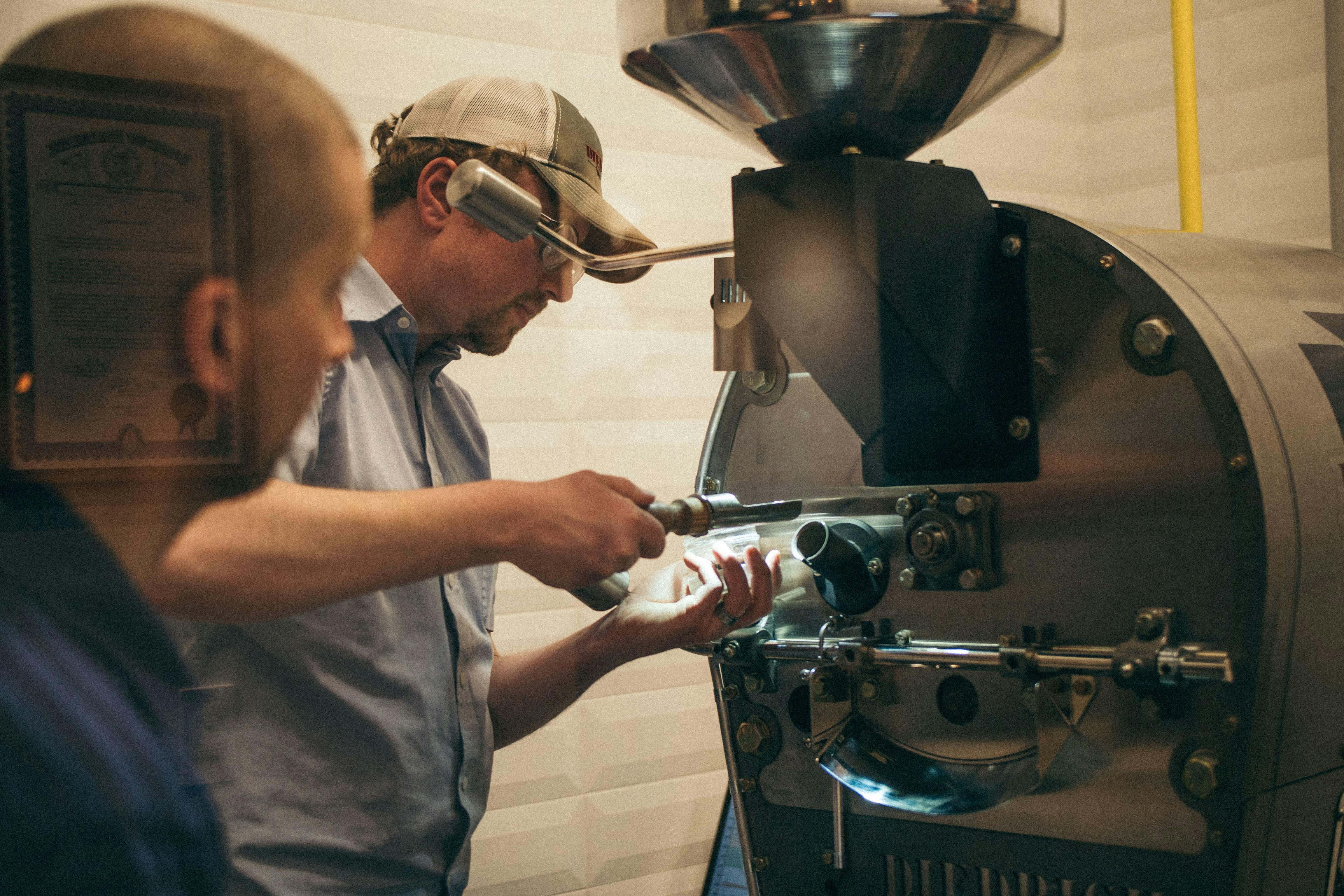
Quality Control in Milling: Ensuring Consistency and Freshness
In the realm of cereal milling, ensuring quality is not merely an operational requirement; it’s an art form that demands precision, vigilance, and a commitment to excellence. Central to this craft is the implementation of rigorous quality control protocols that oversee every step of the milling process. By adhering to industry standards and employing advanced technological solutions,milling facilities can achieve consistent particle sizes,reduced contamination,and ultimately,a superior end product. Key aspects of quality control in milling include:
- Raw Material Inspection: Assuring that grains meet quality specifications before they enter the milling process.
- Process Monitoring: Utilizing real-time data to track and adjust milling operations, ensuring that the final product aligns with quality benchmarks.
- Final Product Testing: Conducting various tests to assess the grind quality, moisture content, and overall consistency of flour or meal produced.
Freshness is another pivotal aspect of quality control that can greatly influence flavour profiles and nutritional value. employing techniques such as vacuum packing, controlled atmosphere storage, and rapid turnover of stock significantly contributes to maintaining the integrity of the milled products. A streamlined quality control system can also involve the use of actionable quality metrics, allowing mill operators to quickly adapt and fine-tune processes based on feedback. Below is a concise depiction of the crucial metrics that can be tracked:
| Metric | Description |
|---|---|
| Moisture Content | Measures the water percentage in the grain,affecting shelf life and quality. |
| Particle Size Distribution | Ensures uniformity in texture, impacting the final product’s functionality. |
| Aflatoxin Levels | Indicates contamination risk from fungi, essential for food safety. |

Innovative Techniques for Sustainable Cereal Production
to sum up
As we conclude our exploration of cereal milling, it’s clear that this age-old craft is far more then mere mechanization. It is a delicate dance between tradition and innovation, where each grain tells a story of agricultural heritage and culinary potential. The intricate processes and techniques involved in milling not only shape the textures and flavors of our staple foods but also reflect the evolving landscape of the food industry.
in a world that constantly seeks efficiency and sustainability, the art of cereal milling stands as a testament to human ingenuity.It reminds us that behind every bowl of cereal lies a meticulous journey of grinding, sifting, and refining—a journey that connects us to the land and the people who cultivate it.
as we move forward, let us appreciate the craftsmanship that goes into our everyday meals, recognizing the grinders and millers who continue to blend old-world expertise with modern advancements. In every crunch and chew, might we find not just nourishment, but also the fruits of their labor and the spirit of resilience etched into every grain. In this way, the art of cereal milling is not just a craft; it’s an ongoing story of success waiting to be savored.