
The Art adn Science of Cereal Milling: A Grain’s Journey
in the quiet, often overlooked corners of the food industry lies a interesting process that transforms humble grains into the staples of our diet. From the swaying fields of golden wheat to the crisp, white flours lining our store shelves, the journey of cereal milling is marked by both artistry and scientific precision.Each grain carries within it the promise of sustenance, yet it is indeed through the intricate dance of milling technology and traditional craftsmanship that this potential is released, refined, and perfected. This article will explore the multifaceted world of cereal milling, delving into the methods, machinery, and mastery that guide each grain from its natural state to our breakfast tables, illuminating the complexities and innovations that define this essential, yet often uncelebrated, element of our culinary landscape. Join us as we uncover the layers of history, innovation, and expertise behind the milling process, and appreciate the journey of the grain that sustains millions.
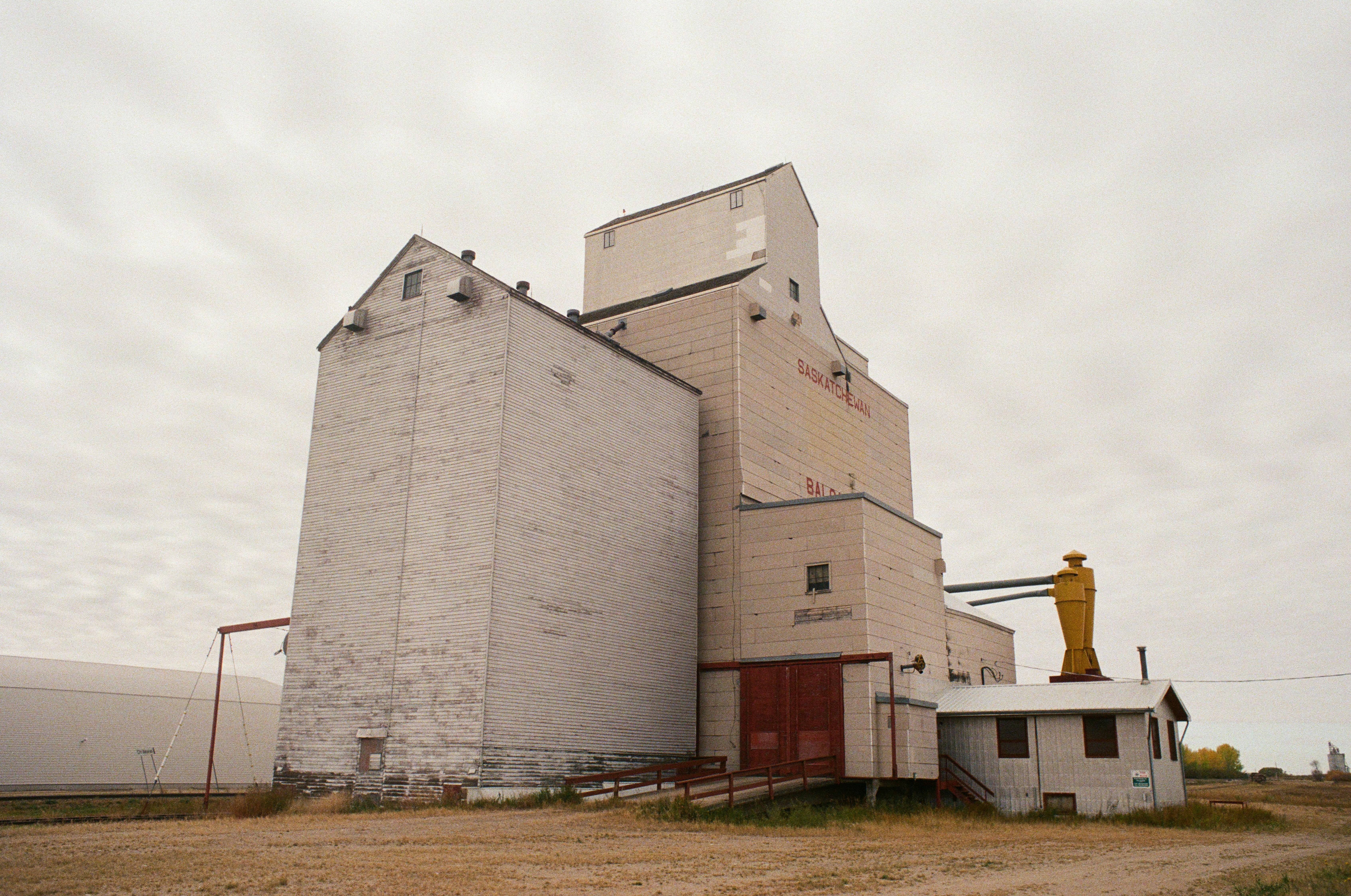
Understanding Grain Structure and Its Implications for Milling
At the heart of the milling process lies the intricate structure of grains, which significantly influences both the efficiency of milling operations and the quality of the final product. Each grain possesses a complex anatomy comprised of various layers, including the outer bran, the germ, and the starchy endosperm.Understanding this anatomy is vital as it determines how grains behave when subjected to milling forces. Factors such as moisture content, hardness, and the grain’s variety can affect the fragmentation process, leading to diverse outcomes in flour texture and nutritional profile. A thorough knowledge of these aspects enables millers to tailor their processes for optimal yield and quality.
Examining grain structure also reveals crucial implications for milling strategies.Different grains yield varied flour qualities based on their composition and structural integrity. As a notable example, hard wheat is preferred for bread-making due to its high protein content, while soft wheat is typically chosen for pastries and cakes. Not only does this selection affect the milling technique employed, but it also shapes the end-use applications. the following table summarizes key grain types along with their specific milling characteristics:
| grain Type | Protein Content (%) | Typical Use |
|---|---|---|
| Hard Wheat | 12-15 | Bread and Pasta |
| Soft Wheat | 8-11 | Cakes and Pastries |
| Rice | 6-8 | Rice Flour for Snacks |
| Barley | 10-12 | Brewing and Livestock Feed |
By recognizing the meaning of grain structure,millers can innovate and refine their techniques,ensuring that every grain’s potential is fully realized. Ultimately, this deep-rooted understanding underpins the artistry of milling, allowing the transition from raw material to finished product to occur seamlessly, while catering to the diverse needs of consumers and industries alike.

The Role of Technology in Modern Cereal Processing
In today’s fast-paced world,technology plays a crucial role in transforming the traditional processes of cereal milling into a highly efficient,precise,and lasting endeavor. Advanced machinery, such as high-speed grain separators and automated milling systems, allows for greater control over product quality and consistency. This innovation is essential as it not only enhances productivity but also minimizes waste, ensuring that every grain contributes to the final product. Additionally, the integration of data analytics enables millers to monitor and optimize their operations in real-time, leading to improved decision-making regarding grain selection and processing methods.
Moreover, technology extends beyond machinery to include smart inventory management systems and IoT devices that keep track of grain stocks and equipment performance. By providing insights into supply chain dynamics, these systems help millers anticipate and meet market demands more effectively. The embrace of innovation also promotes sustainability, as energy-efficient technologies and environmentally friendly practices reduce the overall carbon footprint of cereal processing. As we continue to explore the synergy of art and science in milling, the importance of technology remains a driving force in the journey from field to final product.

Enhancing Nutritional Value Through Optimal Milling Techniques
The process of transforming raw grains into flour is both an art and a science, where every milling technique employed can have a profound impact on the nutritional profile of the final product.By selecting the right grinding methods and adjusting settings such as temperature and moisture content, millers can significantly enhance not only the flavor but also the health benefits of the flour produced. As an example, using cold milling protects sensitive nutrients while maintaining the integrity of essential fatty acids, vitamins, and minerals that can often be lost through high-heat processes. Important factors influencing nutritional retention include:
- Grinding Methods: Different techniques, such as stone milling versus roller milling, yield distinct nutritional outcomes.
- endosperm vs. Whole Grain: Milling whole grains retains a higher concentration of nutrients compared to refined grains.
- Particle Size: Finer particles may enhance digestibility, but may also strip away some fiber content.
To illustrate the impact of these techniques, consider the following table displaying nutrient retention based on different milling practices:
| Milling Technique | Vitamin Retention (%) | Mineral retention (%) |
|---|---|---|
| Stone Milling | 80% | 85% |
| Roller Milling | 60% | 70% |
| cold Milling | 90% | 88% |
By understanding the implications of these milling techniques, consumers and millers alike can make more informed choices, ensuring that the grains that grace our tables are both tasty and nutritionally abundant. Such mindful practices not only enhance the product but also promote a healthier lifestyle, making the journey of a grain not just a physical change, but a nutritional evolution.
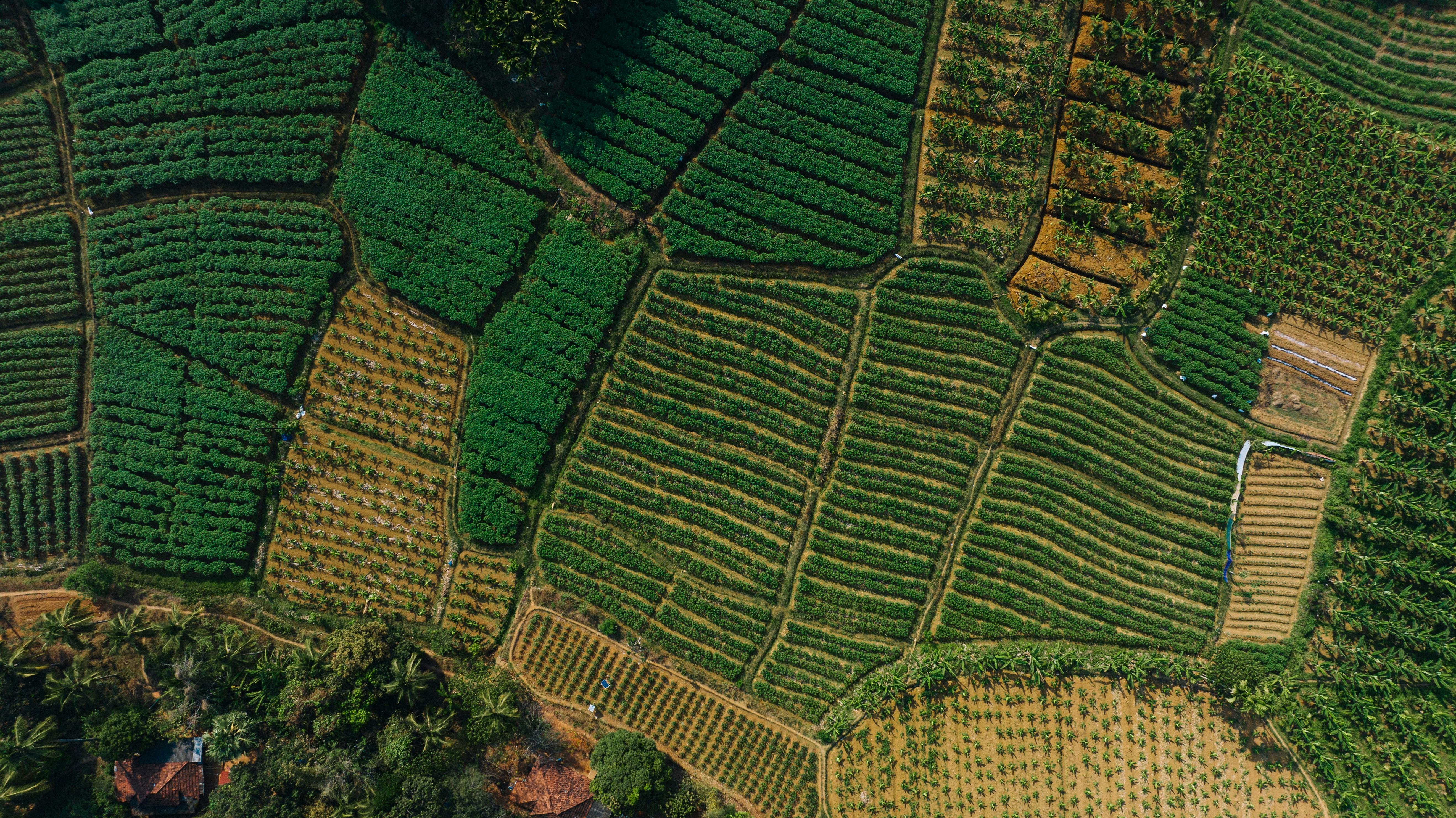
sustainable Practices in Cereal Milling: Balancing Efficiency and Environmental Impact
In the quest for sustainability within cereal milling, the industry is increasingly focused on practices that not only enhance productivity but also minimize environmental degradation. Implementing energy-efficient machinery, for example, is crucial; modern mills utilize advanced technology that reduces energy consumption while maintaining high output levels. Additionally, water conservation techniques are being adopted, such as recycling wastewater and optimizing process efficiencies, which contribute to less environmental impact. Key strategies for sustainable milling include:
- Utilizing renewable energy sources like solar or wind power to reduce reliance on fossil fuels.
- Implementing waste management systems to compost byproducts, thereby enriching soil health and supporting circular economies.
- Investing in eco-friendly packaging solutions that minimize single-use plastics and enhance product shelf life.
Moreover, sustainability extends to the sourcing of raw materials, where mills are prioritizing partnerships with local farmers who practise regenerative agriculture.This not only supports the local economy but also fortifies supply chains against the vagaries of global trade.A collaborative approach towards sustainability can pave the way for reduced carbon footprints, as highlighted in the table below.
| Sustainable Practices | Benefits |
|---|---|
| Local Sourcing | Supports farmers and reduces transportation emissions. |
| Zero Waste Initiatives | Minimizes landfill contributions and promotes recycling. |
| Energy Monitoring Systems | Identifies inefficiencies and improves overall energy use. |
To Conclude
As we conclude our exploration of “The Art and Science of Cereal Milling: A Grain’s Journey,” we reflect on the remarkable transformation that grains undergo, evolving from humble seeds in the field to finely milled flour gracing our kitchens. This intricate process combines meticulous artistry with cutting-edge technology, illustrating the delicate balance between tradition and innovation in the world of milling.
every scoop of flour tells a story—a harvested grain’s journey nurtured by nature, crafted by skilled hands, and finally utilized in countless recipes that feed and nourish communities around the globe. Understanding this journey not only deepens our thankfulness for the foods we enjoy but also highlights the vital role that milling plays in our daily lives.
As we continue to appreciate the flavors and textures that stem from cereal milling, let us also honor the science behind it, with an eye toward sustainability and innovation for future generations. The next time you open a bag of flour, remember the journey—an enduring testament to the intersection of nature’s bounty and human ingenuity. In every bite, there is a history worth celebrating.



