
In the heart of countless cultures and cuisines,maize stands as a essential pillar,a vibrant yellow grain that has nourished generations.Yet, its journey from field to fork is far more intricate than one might imagine. Enter the world of maize milling—a transformative process that unlocks the potential of this humble grain, turning it into a versatile ingredient essential for everything from tortillas to polenta. The art of maize milling blends traditional techniques with modern innovation, revealing the craftsmanship involved in each step, from selecting the finest kernels to the rhythmic dance of grinding and sifting.In this exploration, we delve into the myriad ways maize is milled, the machinery that revolutionizes its processing, and the cultural significance woven into every bowl of cornmeal. Join us as we uncover the intricacies of this fascinating trade and celebrate the transformative power of maize in the culinary landscape.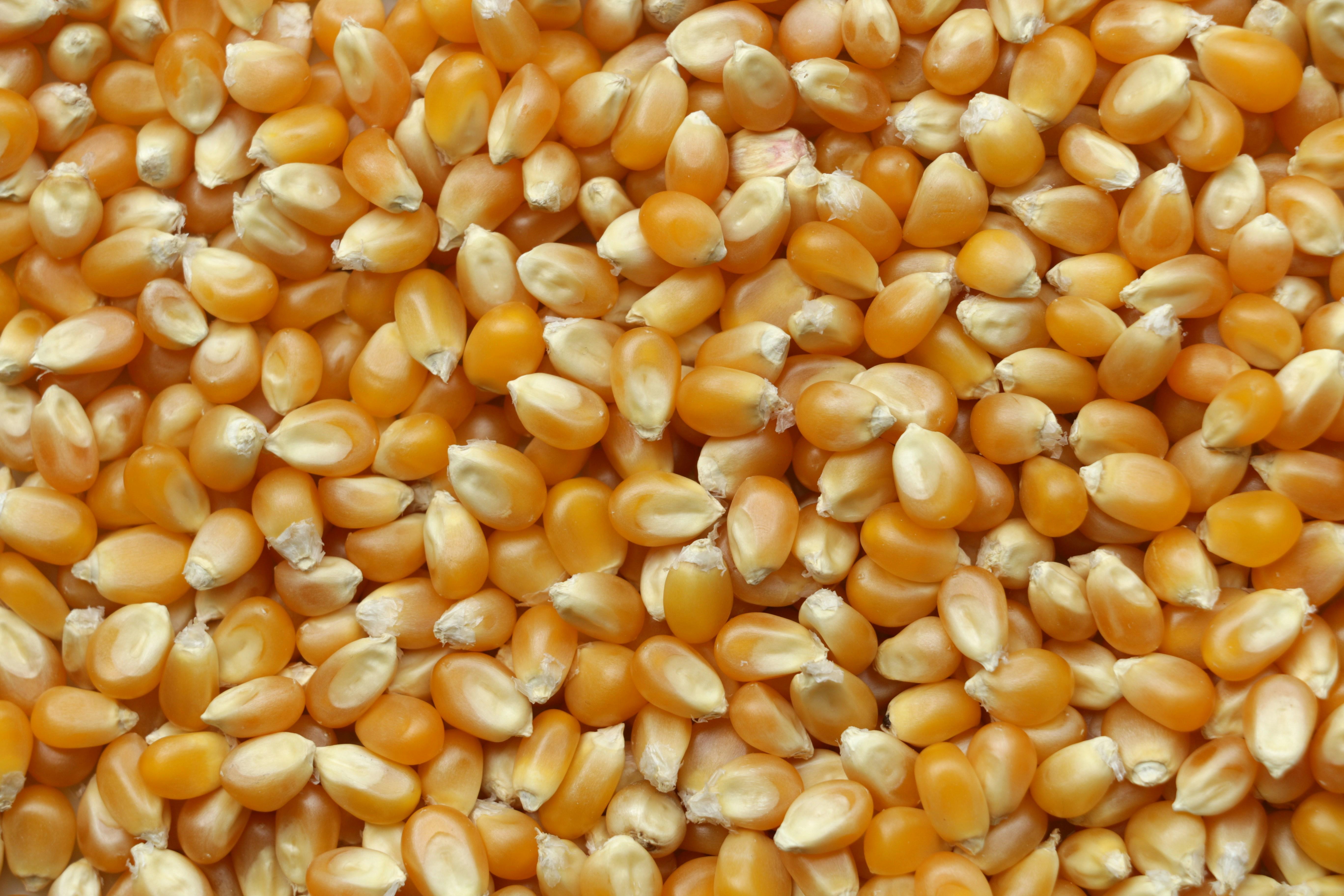
Exploring the Heritage and Significance of Maize in Culinary Traditions
Maize has a rich tapestry woven into the culinary traditions across the globe, signifying more than just sustenance. This grain has been at the heart of cultural identity in numerous communities, serving as a symbol of resilience and innovation. The versatility of maize shines through in various forms, from fluffy tortillas in Mexico to hearty polenta in Italy, each dish telling a unique story of its origins and the people who cherish them. The grainS flexibility allows it to be transformed into delightful snacks, traditional meals, and even fermented beverages, showcasing its vital role in everyday life and festive gatherings.
When it comes to maize milling, the process not only preserves the grain’s integrity but also enhances its culinary potential. The art of milling involves several stages,each reflecting the skill and tradition of the miller. Key steps in this transformation include:
- Cleaning: Removal of impurities and debris to ensure purity.
- Conditioning: Moistening the grains to facilitate smoother milling.
- Milling: grinding the grains into flour or meal, tailored to regional preferences.
- Packaging: Ensuring freshness and quality for culinary uses.
As the following table illustrates, each varietal of maize possesses unique characteristics that influence its final culinary application:
| Variety | Attributes | Common Uses |
|---|---|---|
| Sweet Corn | High sugar content; tender | Salads, side dishes, and canning |
| Flint Corn | hard outer shell; vibrant colors | Polenta, tortillas, and decoration |
| Dent Corn | Soft starch; high yield | Animal feed and cornmeal |
| Popcorn | High moisture content inside kernel | Snacks and gourmet treats |

Understanding the Milling Process: From Whole Kernels to Flour
The journey from whole kernels of maize to finely milled flour is a meticulous process that requires both precision and skill. Initially, the kernels are thoroughly cleaned to remove impurities such as dirt, stones, and any unwanted materials. This step is crucial, as it ensures the quality of the final product. Once cleaned, the grains undergo a conditioning process where moisture is added to achieve the ideal moisture content. This helps in softening the outer bran layer, making it easier to separate during milling. After conditioning, the maize is ready to be ground, typically using a series of rollers or stones that crush the kernels into a coarse meal before further refining them into a fine flour.
Throughout the milling process, the transformation can be categorized into several key steps:
- Cleaning: Removing any foreign matter from the maize.
- Conditioning: Moisture adjustment for perfect grinding.
- Milling: Breaking down the kernels into meal and flour.
- Sifting: Separating the fine flour from the coarser particles.
- Packing: Ensuring the flour is properly packaged for distribution.
| Stage | Description |
|---|---|
| Cleaning | Eliminating unwanted debris for quality assurance. |
| Conditioning | Preparing grains for optimal milling. |
| Milling | Crushing kernels into meal and flour. |
| Sifting | Separating fine flour from coarser meal. |
| Packing | Ensuring proper packaging for delivery. |

Choosing the right Equipment for Efficient Maize Milling
When embarking on the journey of maize milling,selecting the appropriate equipment is pivotal for ensuring both quality and efficiency. The right machinery not only optimizes processing times but also enhances the consistency of the final product. Key equipment types to consider include:
- Hammer mills – Ideal for grinding maize into meal quickly and uniformly.
- Roller Mills - These offer superior extraction rates and achieve finer flour consistency.
- Separators – Essential for sorting and removing impurities, such as husks and foreign materials.
- Mixers – Vital for blending additional ingredients, achieving desired flavors and nutritional profiles.
Along with the type of machinery,factors like production capacity,energy efficiency,and maintenance requirements shoudl guide your selections. A proper assessment will ensure that your milling operations run smoothly and profitably. Here is a simplified comparison of some essential milling equipment:
| Equipment Type | production Capacity (kg/h) | Efficiency (%) | Maintenance Level |
|---|---|---|---|
| Hammer Mill | 100-200 | 80 | Low |
| Roller Mill | 200-500 | 90 | Medium |
| Separator | 50-100 | 85 | Low |
| Mixer | 100-300 | 95 | Medium |
Enhancing Flavor and nutrition: Advanced Techniques in Maize Processing
To truly elevate the taste and health benefits of maize products, innovative processing techniques are indispensable. Fermentation, a traditional method, has seen a revival with modern adaptations, resulting in the production of nutrient-rich products such as masa and masa harina. This technique not only enhances flavor by introducing a tangy zest but also increases the bioavailability of essential vitamins and minerals. Alongside fermentation, extrusion cooking serves as a powerful method for creating diverse maize products. This process subjects the grain to high temperatures and pressures, transforming it into light, crispy snacks or the base for breakfast cereals, all while enriching protein content.
Notably, enzyme treatment is gaining traction in maize processing, wherein enzymes like amylases are employed to break down starches, making them easier to digest and improving flavor profiles. Additionally, the significance of fortification cannot be overstated; by incorporating micronutrients such as iron, zinc, or vitamins into maize flour, manufacturers can combat nutritional deficiencies prevalent in affected populations. Below is a concise overview of some advanced techniques:
| technique | Benefits |
|---|---|
| Fermentation | Improves flavor, enhances nutrient absorption. |
| Extrusion Cooking | Creates diverse textures and forms, increases protein content. |
| Enzyme Treatment | Enhances digestibility and improves flavor. |
| Fortification | Addresses micronutrient deficiencies. |
To Wrap it Up
As we reach the end of our journey through the intricate world of maize milling, it becomes clear that this process is far more than a mere transformation of grains. It is indeed an age-old craft that harmoniously blends tradition with innovation, intertwining the past with the present to nourish our communities and cultures. The milling of maize not only showcases the skill and dedication of millers but also highlights the crucial role this staple plays in our diets and economies.
From the rhythmic sound of kernels being ground to the fine flour that graces our kitchens, every step in the milling process is a testament to human ingenuity. The delicate balance of science and art ensures that each batch captures the essence of the maize itself, ready to inspire culinary creations across the globe.
As we reflect on the journey from field to table, we recognize that maize milling encapsulates the spirit of sustainability and resourcefulness. With each grain transformed, we honor the rich history of agriculture while paving the way for future innovations. In a world that continually seeks balance between nature and technology, the art of maize milling stands as a vital link connecting us to our food, our history, and each other.
May our newfound understanding inspire curiosity and thankfulness for this remarkable process, encouraging us to celebrate the humble maize in all its forms—whether in a bowl of polenta, a batch of tortillas, or the myriad of dishes that showcase its versatility. The transformation of grains is not simply a process; it is a delicious dance of culture, history, and nourishment that we are blessed to partake in every day.



