From Harvest to Table: The Journey through a Paddy Processing Plant
In the heart of agricultural landscapes, where the golden hues of ripening rice fields sway gently in the breeze, lies a world that transforms nature’s bounty into a staple of nourishment for millions. The journey from harvest to table is a remarkable odyssey, one that begins under the warm sun with the careful handpicking of paddy grains and transcends through a complex tapestry of processes before reaching our dining tables.This article invites you to take a closer look at the intricate workings of a paddy processing plant—a place where grains undergo meticulous change,revealing the dedication of farmers,workers,and technology alike. Join us as we explore the interesting stages of paddy processing, uncovering the art and science behind this essential journey that nourishes not just bodies, but also cultures and traditions around the globe.
Understanding the Paddy Lifecycle from Field to mill
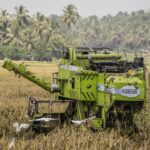
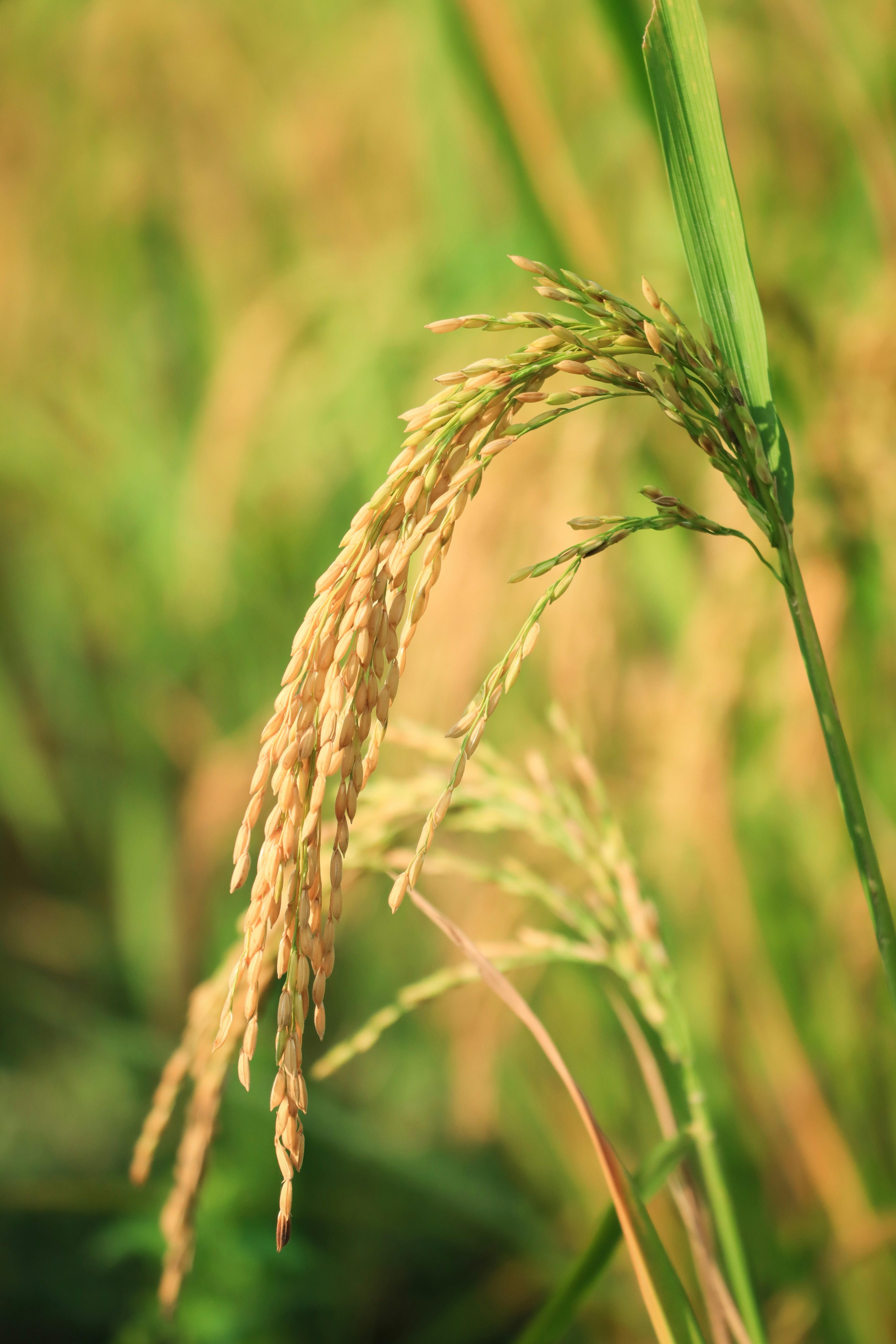
The journey of paddy from its humble beginnings in the field to its final transformation in the mill is a captivating process, underscored by several critical stages. Initially, fields brim with lush green stalks, swaying gently in the breeze, each nurturing the grains that will eventually make their way to our tables.Once harvested, the paddy undergoes various processing mechanisms designed to ensure purity and quality. The key stages of this journey include:
- Harvesting – The manual or mechanical collection of mature paddy, which requires timing to ensure maximum yield.
- Post-Harvest Processing – Here, the paddy is dried and cleaned to prevent spoilage and enhance durability.
- Milling – In this stage, the rice is hulled and polished, separating the rice grain from its outer husk.
- Quality Control – Rigorous checks are made to ensure that the rice meets established standards for size,moisture,and contaminants.
In the milling facility, the paddy is transformed through a series of innovative technologies that enhance efficiency and quality. Advanced machinery not only separates rice from husk but also polishes and grades it based on predetermined criteria. During this phase, a focused approach is taken on minimizing waste and maximizing output. The efficiency of these operations can be summarized in the table below:
| Process | Time (hours) | Waste (%) |
|---|---|---|
| Drying | 5 | 5 |
| Hulling | 2 | 8 |
| Polishing | 1 | 2 |
| Grading | 1 | 1 |
Essential Steps in Paddy Processing for Optimal Quality
The journey from freshly harvested paddy to premium rice involves crucial processing stages that ensure quality and flavor. First, the paddy undergoes drying, where moisture content is reduced to an optimal level, preventing spoilage and enhancing storage longevity. This step is followed by dehusking, which removes the outer husk to unveil the brown rice beneath. During this stage, it’s critically important to monitor the equipment settings to avoid excessive breakage, ensuring minimal grain loss. Once dehusked, milling plays a pivotal role in refining the rice; it involves polishing the grains to achieve a lustrous appearance while also determining the final product’s texture.
Next, the grading process categorizes the rice based on size and quality, allowing for uniform distribution in packaging. The use of color sorting technology helps identify and eliminate discolored or damaged grains, enhancing the visual appeal and overall quality of the final product. To ensure that the rice remains at its best, proper packaging and storage techniques are implemented. Quality control checks, including moisture testing, are conducted at every stage to guarantee that the rice delivered to consumers meets the highest standards for health and taste. By adhering to these essential processing steps, paddy processing plants can provide rice that meets both industry benchmarks and consumer expectations.
Innovations in Milling Technology: Enhancing Efficiency and Sustainability
The evolution of milling technology has substantially transformed the landscape of rice processing, paving the way for a more efficient and lasting approach to turning harvested paddy into consumable rice. Modern milling systems are now equipped with advanced features that enhance productivity while minimizing waste, ensuring that every grain counts. Key innovations include:
- Automated Milling Systems: These systems reduce manual labor and improve consistency in processing, which translates to higher quality end products.
- Energy-Efficient Machines: Cutting-edge equipment is designed to reduce energy consumption, frequently enough utilizing renewable energy sources, thereby promoting environmentally kind practices.
- Smart sensors and IoT Integration: Utilizing technology to monitor and manage the milling process in real-time helps in optimizing performance and reducing downtime.
Furthermore, the focus on sustainability has led to novel approaches in waste management and by-product utilization. Many paddy processing plants now incorporate techniques to convert by-products into useful materials, enhancing the circular economy of rice production. innovative practices include:
| by-Product | Utilization method |
|---|---|
| Rice Hulls | Biofuel production and insulation material |
| Rice Bran | Nutritious animal feed and health supplements |
| Broken Rice | food products and brewing |
This holistic approach not only maximizes resource efficiency but also aligns with global sustainability goals, making contemporary milling operations a linchpin in the journey from harvest to table.
Best Practices for Quality Control in Rice Production
Ensuring high quality in rice production requires meticulous attention throughout the entire process, from harvesting to packaging. One of the moast effective measures is to maintain strict sanitation standards at each step of the processing chain. Regularly cleaning machinery, storage areas, and handling equipment minimizes the risk of contamination, while implementing quality checkpoints allows for the immediate identification of any defects. Consider these essential strategies to enhance quality control:
- Regular Monitoring: Frequently inspect crops for moisture content and pest damage.
- Use of Technology: Incorporate digital tools for tracking paddy quality and processing methods.
- Training Staff: Equip workers with knowledge of best practices and safety protocols.
- Third-Party Audits: Engage independent experts to evaluate adherence to quality standards periodically.
Moreover, implementing a systematic approach to evaluating the final product is vital. This can be achieved through standardized testing for grain purity, color uniformity, and texture consistency. Establishing a comprehensive quality assurance program can facilitate effective decision-making and increase customer satisfaction. The following table illustrates common quality benchmarks in rice processing:
| Quality Parameter | Acceptable Range |
|---|---|
| Moisture Content | 12% – 14% |
| Grain Purity | ≥ 95% |
| Chalkiness | ≤ 10% |
| Color | White or cream |
Key Takeaways
As we draw the curtains on our exploration of the remarkable journey from harvest to table, it becomes clear that the life of rice is a tapestry woven through the hands of countless individuals and intricate processes. From the sun-drenched fields where the rice begins its life to the bustling paddy processing plant where it undergoes transformation,each stage is imbued with a delicate balance of tradition and technology.
The stories of farmers, millers, and artisans echo in every grain, reminding us that the journey of our food is not merely a series of mechanical steps, but a rich narrative filled with dedication, skill, and care. As we savor each bite of rice, let us acknowledge the effort that goes into bringing it from the earth to our plates.
In understanding this journey, we not only appreciate the flavors that grace our meals but also connect with the broader agricultural landscape that sustains us. So, the next time you enjoy a bowl of rice, take a moment to reflect on the journey it has taken—from the soul of the earth to the warmth of your table. After all, every grain tells a story, and it is one worth savoring.