In the world of culinary traditions and agricultural practices, few staples hold as revered a place as maize.This versatile grain, deeply rooted in the histories of various cultures, has played a pivotal role in shaping diets, economies, and even social structures. Yet, the journey of maize from field to table is a fascinating blend of art and science, notably in the age-old process of milling. “Grinding Grains: the Art and Science of Maize Milling” delves into the intricate techniques employed to transform this hardy crop into a fine flour,exploring the historical meaning,technological advancements,and cultural nuances that surround maize milling. Through this exploration, we unravel how skilled hands and innovative machinery converge to celebrate one of humanity’s most enduring food sources, illuminating the age-old craftsmanship that persists even in today’s modern context. Join us as we traverse the fields, discover the mills, and appreciate the craftsmanship involved in every grain ground to perfection.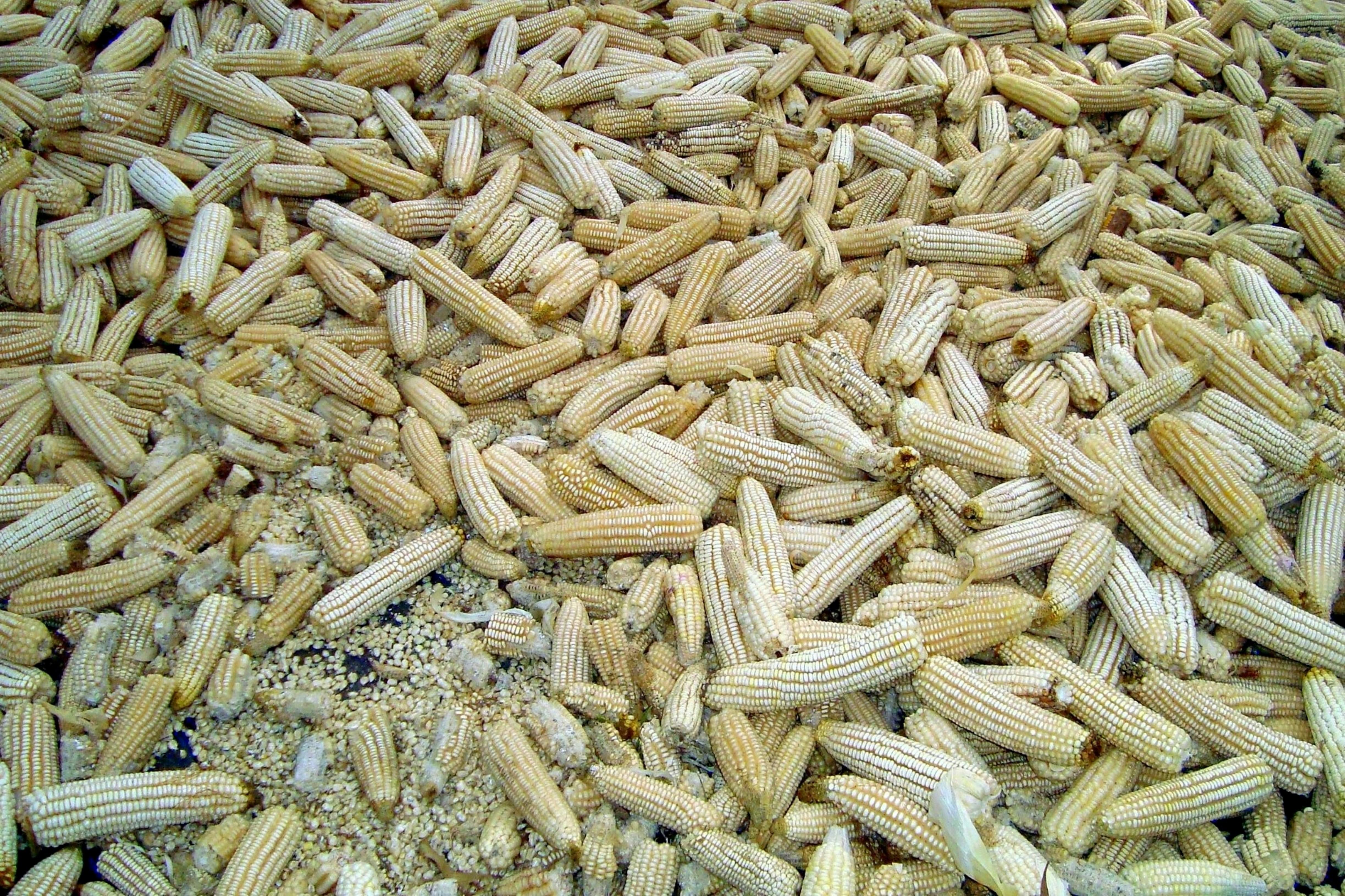
Exploring the Historical Roots of Maize Milling Traditions
The tradition of maize milling has deep historical roots that stretch back thousands of years,originating in the ancient civilizations of Mesoamerica. Early indigenous cultures recognized maize not only as a staple food but also as a sacred crop with profound cultural significance. They developed rudimentary milling techniques,often using large stones known as metates to grind the kernels into flour. This early practice laid the groundwork for the diverse milling traditions that would evolve over time,incorporating regional variations influenced by agricultural practices,available resources,and social structures.
As maize spread across continents, the milling techniques transformed alongside it, adapting to local customs and technologies. in Africa, for instance, the introduction of the hand-operated mortar and pestle provided a means to refine maize into meal, which became a fundamental component of traditional dishes. Today, though modern mechanized milling has revolutionized the process, the essence of these ancient practices continues to resonate. Various techniques, such as stone milling and roller milling, continue to flourish, each preserving the unique influence of their historical roots. this intricate dance between tradition and modernity exemplifies how cultures honor their past while shaping the future of maize milling.

Understanding the Mechanisms: Types of Mills and Their Functions
In the world of maize milling, various types of mills are employed, each designed to serve distinct functions that enhance the efficiency of grinding grains. The mechanical mill, such as, utilizes metal blades or stones to pulverize the maize into fine flour. This process delivers a product that retains the grain’s essential nutrients, making it ideal for both culinary and nutritional purposes. Another popular option is the burr mill,characterized by its two revolving surfaces that grind the maize using friction.This type is known for its ability to produce a more uniform particle size, which is particularly beneficial in baking and cooking applications.
Additionally, the emergence of hammer mills has revolutionized the maize processing industry. By utilizing high-speed rotating hammers, these mills effectively reduce maize kernels to a fine powder, while also allowing for the incorporation of other ingredients during the milling process. The design of these mills facilitates easy maintenance and high throughput, making them suitable for large-scale operations. Furthermore, stone mills, revered for their traditional craftsmanship, provide a unique texture and flavor profile, appealing to consumers seeking artisanal products. The choice of milling equipment ultimately hinges on the desired quality and application of maize flour, with each mill type bringing its own strengths to the table.
| Type of Mill | Functionality | Ideal For |
|---|---|---|
| Mechanical Mill | Utilizes blades or stones for grinding | Nutritional flour for baking |
| Burr Mill | Grinds using two revolving discs | Uniform particle flour for culinary use |
| Hammer Mill | Employs high-speed hammers | Large-scale flour production |
| Stone Mill | Traditional grinding with stones | Artisanal products with unique texture |

Grain Quality Matters: Selecting and Preparing Your Maize
When it comes to maize, the quality of the grain significantly influences the end product, whether you’re aiming for a fine flour or a coarser meal. Selecting the right maize involves looking for grains that are plump, well-formed, and free from blemishes or signs of mold.Factors such as moisture content and color also play a vital role in determining quality. Aim for maize with a moisture level between 13-14%, as overly dry or wet grains can lead to inconsistent milling results. Furthermore, consider the type of maize suited for your specific needs—dent, flint, or sweet maize can all impact flavor, texture, and nutritional content.
Once you’ve selected the best maize, the preparation phase is essential in achieving a premium milling outcome. Begin with thorough cleaning to remove any foreign materials, such as dust or debris, which can affect the milling process. Following this, you may choose to soak the maize to enhance the milling performance, as this can definitely help soften the grains, making them easier to grind. In addition, soaking can help activate enzymes that improve the nutritional quality of the final product. Standard preparations can include:
- Cleaning the maize using a sieve or air blower
- soaking in water for several hours
- Allowing the grains to dry slightly before milling

Mastering the Milling Process: Techniques for optimal Flour production
When it comes to extracting the best from maize, understanding the nuances of the milling process is crucial. Various techniques can be employed to enhance flour quality, depending on the end-use requirements. Techniques such as dry milling and wet milling stand out as cornerstones in the art of maize processing. Dry milling typically involves the grinding of whole grains without the addition of water, resulting in fine flour that retains the essential nutrients of the grain. In contrast, wet milling employs water during the grinding process, which can facilitate the separation of starches and proteins, producing a more refined product suitable for specific culinary applications. Choosing the right milling method can significantly influence the texture, flavor, and nutritional profile of the final flour.
To achieve optimal results, millers should consider the following aspects:
- Grain Selection: Quality maize that is free from mold and impurities will yield the best flour.
- Milling Equipment: Investing in high-quality,well-maintained milling machines can impact flour uniformity and efficiency.
- Moisture Content: Proper moisture levels are essential for preventing overheating and ensuring the integrity of the flour.
Furthermore, consistent monitoring of the milling parameters such as temperature, speed, and duration can drive improvements in flour quality. Utilizing modern automation technologies can streamline operations and ensure uniformity in the milling process, leading to a superior final product. Below is a simple comparison of the two primary milling techniques:
| Feature | Dry Milling | Wet Milling |
|---|---|---|
| Water Usage | No | Yes |
| Texture | Coarse to fine | Smoother |
| Nutritional Retention | High | Variable |
| End Uses | Breads, cereals | Starch products, beverages |
Key Takeaways
As we draw our exploration of maize milling to a close, it becomes clear that this age-old practice is a beautiful blend of tradition and innovation. From the rhythmic dance of the millstones to the precise mechanics of modern milling technologies, every aspect of processing maize reflects a commitment to both art and science. Each grain tells a story,transformed through careful grinding into flour that nourishes communities and cultures around the world.
In our journey, we have unearthed the significance of maize not just as a staple food, but as a symbol of resilience and adaptability in the face of change. Whether it’s the small-scale artisanal producer preserving ancient techniques or large-scale operations optimizing efficiency with cutting-edge technology, the spirit of maize milling is alive and thriving.
As we embrace this multifaceted operation—where age-old skills meet contemporary advancements—we invite you to consider the profound impact of milling on our daily lives. The next time you savor a hearty cornmeal dish or enjoy freshly baked bread, take a moment to appreciate the intricate processes that brought these flavors to your table. In every bite, there lies a party of craftsmanship, heritage, and the unyielding ingenuity of those who master the art of grinding grains.