Grinding Progress: The Art and Science of Maize Milling
In the heart of countless kitchens and the bustling corridors of agribusiness, a humble grain plays a pivotal role—maize. Known by many names across cultures, this versatile crop has transcended its status as a staple food to emerge as an essential player in the global economy. yet, the journey from cob to flour is not merely a matter of grinding; it is indeed a fusion of artistry and technology, shaped by centuries of tradition and innovation. In this exploration of maize milling, we delve into the intricate processes that transform golden kernels into the fine cornmeal that forms the base of countless culinary delights. From artisanal methods that honor age-old techniques to cutting-edge machinery that enhances efficiency and consistency, the realm of maize milling is a captivating tapestry of science and craft. Join us as we uncover the secrets behind this age-old practice,highlighting the balance between the art of milling and the precision of modern engineering,and how this synergy continues to evolve in a world hungry for both tradition and progress.
Understanding the Anatomy of Maize: Key Components for Optimal Milling
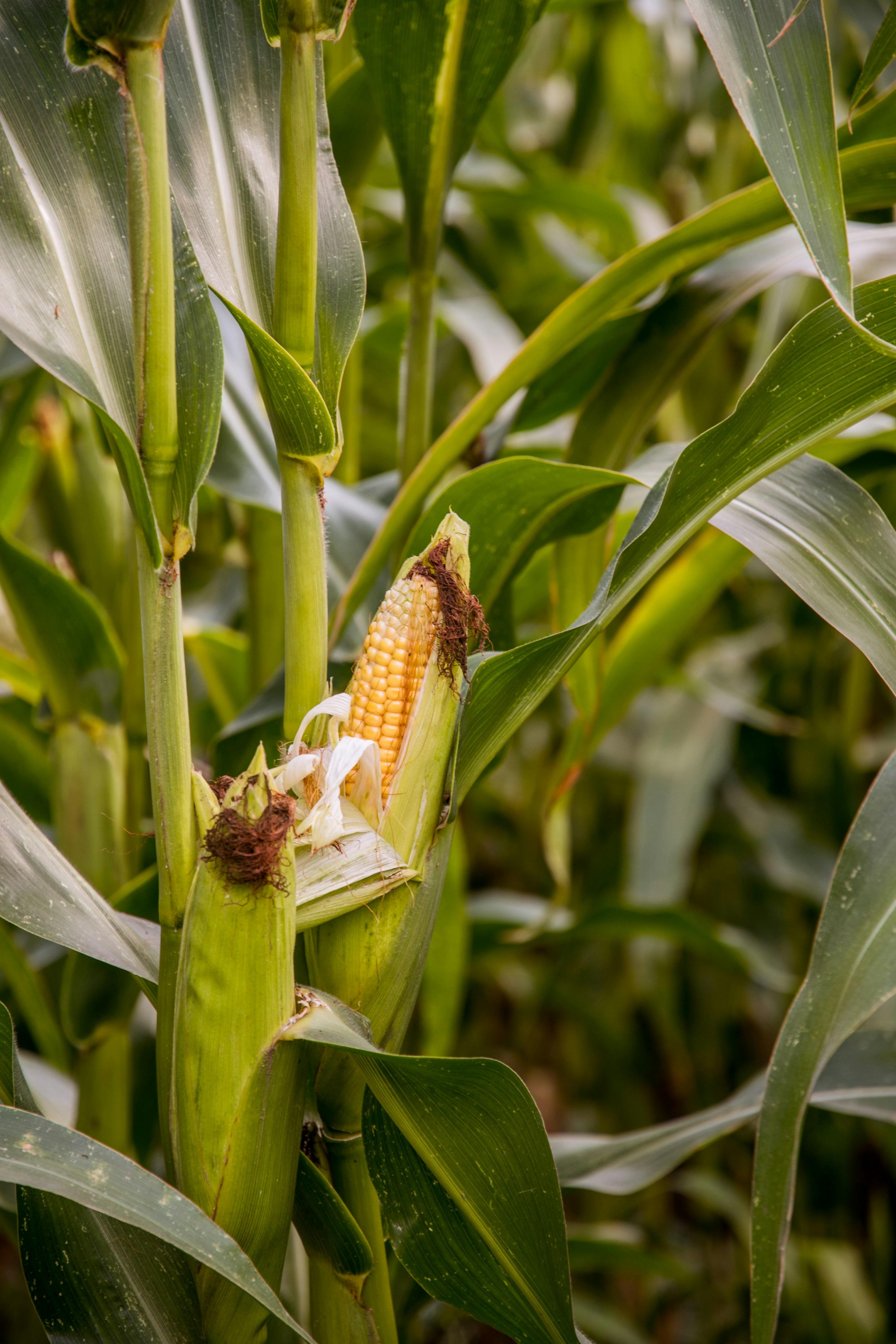
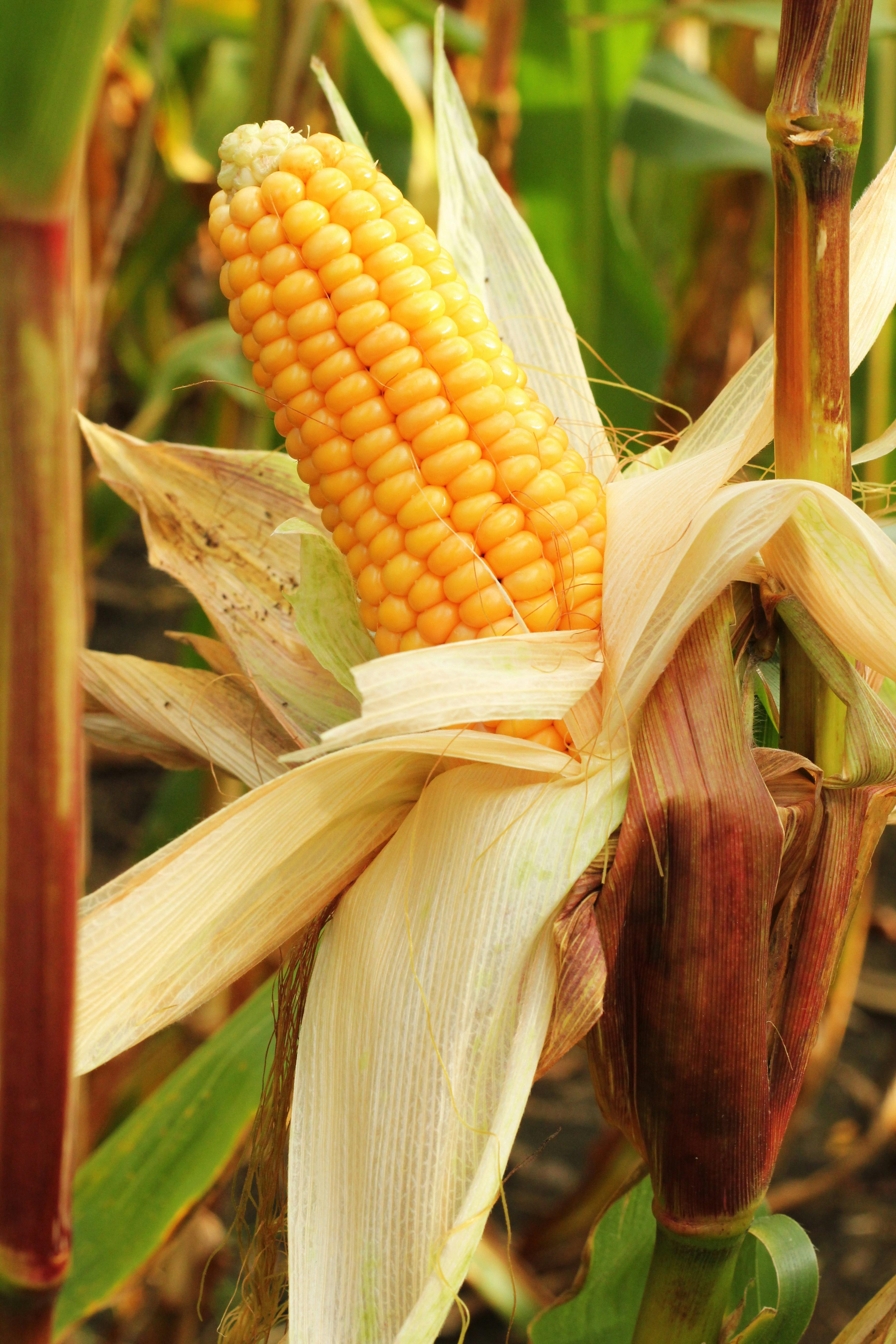
Maize,or corn,is a staple crop with a rich anatomy that plays a pivotal role in its milling efficiency. At the core of this grain are several essential components, each contributing uniquely to the milling process. The endosperm constitutes the bulk of the maize kernel and is primarily composed of starches, making it a critical target during milling. The pericarp, or outer hull, provides protection but must be removed to ensure a quality product. Additionally,the germ is the reproductive part that houses vital nutrients and oils,influencing the nutritional aspects of the milled product. Understanding the balance and structure of these elements is crucial for optimizing milling,ensuring both yield and quality.
Moreover, the characteristics of each component influence the milling method and equipment required.When considering milling strategies, it’s essential to weigh these factors:
- Moisture Content: Affects the grinding efficiency and final product texture.
- kernel Hardness: Dictates the type of mill necessary—harder kernels require different approaches.
- Particle Size Distribution: Impacts the end-use of the flour or meal.
Below is a simplified table summarizing the key components of maize:
| Component | Function | Meaning in milling |
|---|---|---|
| Endosperm | Source of starch and carbohydrates | Primary target for milling |
| Pericarp | Protective outer layer | Needs removal for purity |
| Germ | Contains oils and nutrients | Affects nutritional value and flavor |
Transforming Maize into Meal: The Milling Process Demystified
The milling process for maize is an intricate dance between artistry and technology, where each step is pivotal in unlocking the grain’s full potential. Initially,the journey begins with the careful selection of maize varieties,which significantly impact the final product’s texture and flavor profile. Once harvested,the maize undergoes rigorous cleaning to eliminate impurities,such as debris,stones,and damaged kernels. This leads to the conditioning phase, where moisture levels are precisely regulated, ensuring optimal performance during milling. Following this, the kernels are subjected to grinding, a process facilitated by various milling techniques that transform whole maize into a fine meal.
Within the milling machinery, a series of crushing and sifting processes occur, each designed to extract flour of varying coarseness, suitable for different culinary applications. The inclusion of modern technology, such as roller mills and stone grinding, enhances the efficiency and quality of the milling experience. The final stage involves the analysis and classification of the produced meal, where samples are assessed for quality and consistency. This meticulous process guarantees that what reaches the consumer is not only pure and nourishing but also steeped in the rich legacy of maize cultivation.
| Milling Technique | Description | Best Use |
|---|---|---|
| Roller Milling | Grinds with metal rollers. | Fine flour production. |
| Stone Grinding | Uses stone wheels for a traditional approach. | Coarse meal and grits. |
| Impact Milling | Utilizes high-speed blades. | Fast processing of flour. |

Balancing Tradition and Technology: Innovations in Maize Milling Equipment
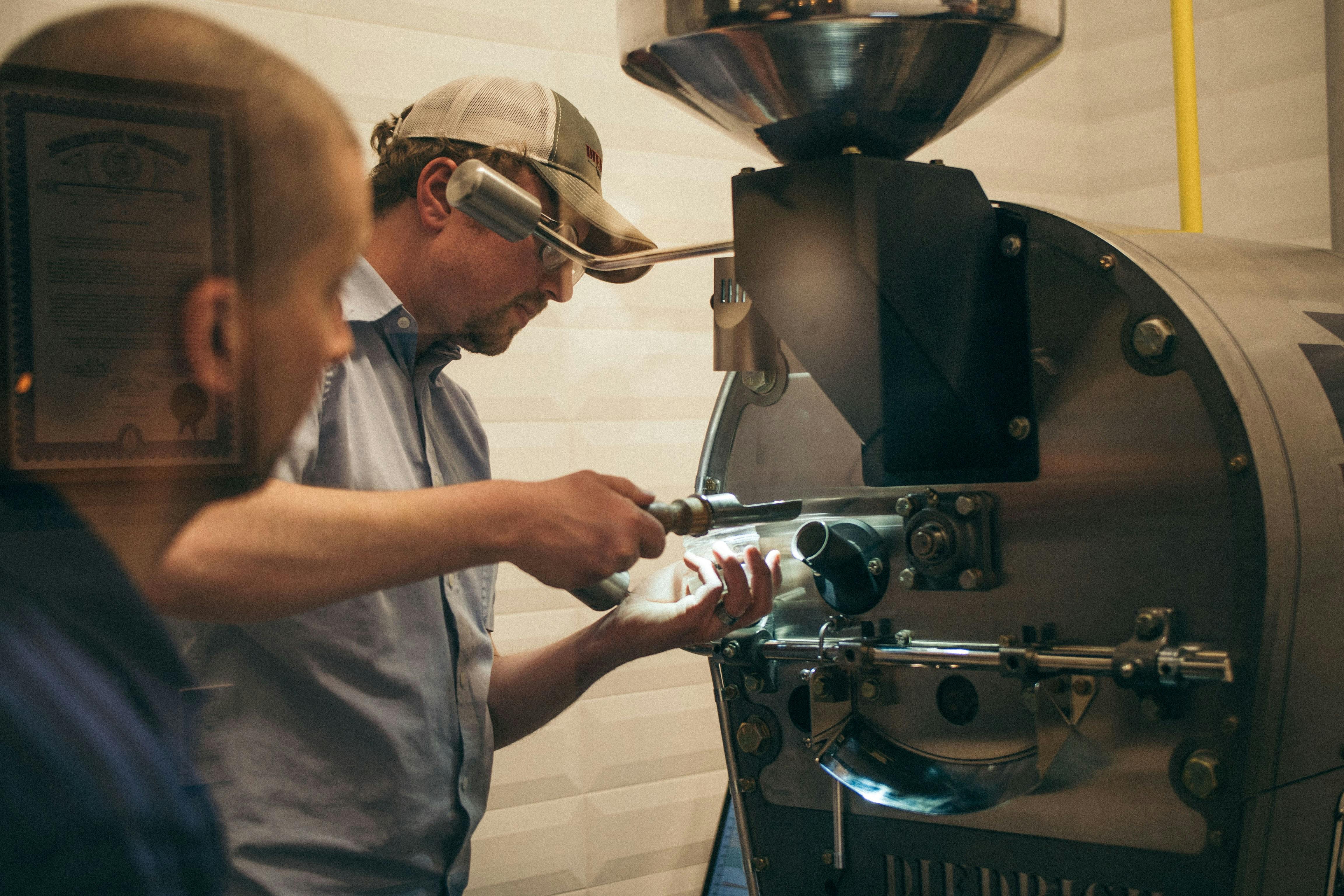
in the quest for efficiency and quality in maize milling, innovators have turned to technology, forging a delicate balance with traditional practices. The evolution of milling equipment showcases a fascinating merger of age-old techniques with cutting-edge advancements, ensuring that the grains remain true to their roots while embracing modern conveniences. Notable innovations include:
- Smart milling machines that utilize IoT (Internet of Things) for real-time monitoring of processes.
- Automated blending techniques that ensure precise flavor and texture consistency.
- Energy-efficient designs that reduce the carbon footprint while enhancing productivity.
- Advanced grinding technology, such as vertical and horizontal mills, that yield finer flour with improved nutrient retention.
Incorporating these technological advancements not only streamlines the milling process but also optimizes the output quality. Equipment manufacturers now combine traditional grain handling methods with data analytics to refine operations. Implementing features like demand forecasting and predictive maintenance minimizes downtime and maximizes efficiency.
| traditional Techniques | Modern Innovations |
|---|---|
| Hand grinding methods | Automated milling systems |
| Stone mills for flavor | Precision-engineered grinders |
| Batch processing | Continuous milling lines |
| Local sourcing | Global supply chain integration |
This intricate interplay between heritage and innovation not only enhances the production palette but also respects the cultural significance of maize milling across different communities. By cherishing the past while welcoming the future, the maize milling industry stands as a testament to the art and science of transforming simple grains into culinary masterpieces.
Quality Control and Sustainability: Best Practices for Future-Ready Milling
In the quest for excellence in maize milling, a dual focus on quality control and sustainability is crucial.Implementing effective quality control measures ensures that the final product meets the highest standards while minimizing waste and enhancing efficiency. Key strategies include regular equipment maintenance, rigorous testing of raw materials, and a commitment to continuous staff training. By embracing innovative technologies like real-time monitoring and automated feedback systems,milling operations can streamline their processes and respond swiftly to any deviations in quality.This proactive approach not only safeguards product consistency but also protects brand integrity in a competitive market.
Sustainability should be at the heart of every milling operation, bridging environmental and economic goals. Embracing eco-friendly practices can significantly reduce a facility’s carbon footprint while also increasing cost-effectiveness. Consider these best practices for advancing sustainability in maize milling:
- Energy Efficiency: Invest in energy-efficient machinery and optimize energy consumption during milling operations.
- Waste Reduction: Implement a closed-loop system to reuse by-products and reduce waste.
- Water Conservation: Adopt water recycling methods and reduce consumption in processing.
Utilizing local sourcing for raw materials not only minimizes transportation emissions but also supports the community and promotes fresh, quality inputs. The integration of these sustainable practices ultimately enhances resilience in the supply chain, paving the way for future-ready milling operations.
The Conclusion
the intricate dance of grinding progress in maize milling embodies a harmonious blend of art and science. As we peel back the layers of this age-old process, we uncover not just the technical mastery behind the machinery, but also the cultural significance woven into every kernel. From traditional stone mills to cutting-edge industrial grinders, each method reflects a unique journey of innovation and adaptation, responding to the ever-evolving needs of society.As we continue to refine our understanding and techniques in maize milling, it is crucial to appreciate the delicate balance between preserving heritage and embracing modernization. With advancements in technology and a growing awareness of sustainability, the future of maize milling holds promising potential.
Whether it’s for food security, economic development, or culinary delight, maize milling remains a vital thread in the fabric of global agriculture. The next time you savor a dish enriched by finely milled maize, pause to acknowledge the deep-rooted art and the scientific ingenuity that brought it to your table. In the world of grinding progress, every grain tells a story—one that connects us to our past and shapes our future.