
From Grain to Bowls: The Art of Cereal Milling Unveiled
In the quiet hum of a mill, grains embark on a transformative journey that holds the weight of history and nourishes our modern lives. While we routinely fill our bowls with colorful cereals, few pause to consider the intricate process that lies behind this daily ritual. From the golden fields where wheat, oats, and corn are meticulously harvested to the rhythmic grinding and sifting in milling facilities, each step is an art form steeped in tradition and innovation. This article invites you to explore the fascinating world of cereal milling, where science meets craftsmanship, revealing the hidden knowledge that turns humble grains into the breakfast staples we frequently enough take for granted. Join us as we peel back the layers of this essential industry, celebrating the skill and dedication that transform nature’s bounty into the comforting cereals that start our day.

The Journey of Grain: Understanding the Milling Process
The journey of grain begins long before it reaches your breakfast bowl, intricate and rich with history. Once harvested, grains like wheat, corn, and oats undergo meticulous processing to transform into the flour or meal that forms the foundation of countless meals. Milling is the art that unlocks the potential of these tiny kernels, focusing primarily on two key operations: grinding and sifting. This dual-action process involves breaking down the whole grains into finer particles while concurrently separating the bran, germ, and endosperm components. The result is a product that offers both nutrition and versatility in cooking and baking.
To achieve a consistent and high-quality product, millers use various milling techniques, each designed for specific grain types and desired textures. Among these methods, you’ll find stone milling, known for its customary charm and ability to retain flavor and nutrients, and roller milling, which utilizes a more modern approach and yields finer textures. Regardless of the method, the milling process is ultimately guided by quality control measures ensuring that what fills our kitchens meets the highest standards. here’s a glimpse of the main components of grain:
| Component | Description |
|---|---|
| Bran | The outer layer, rich in fiber and nutrients. |
| Germ | The seed part that can sprout into a new plant, packed with vitamins and minerals. |
| Endosperm | The starchy middle layer, primarily used in flour production for structure. |

Unlocking Nutritional Benefits: The Importance of Whole Grains
Whole grains are a powerhouse of nutrients that considerably enhance our diet. By retaining all parts of the grain kernel—bran, germ, and endosperm—they provide a rich source of essential vitamins, minerals, and dietary fiber.Incorporating these grains into your meals can lead to a variety of health benefits, including:
- Improved digestion: The fiber in whole grains promotes a healthy gut, aiding digestion and regularity.
- Heart health: Whole grains help in reducing cholesterol levels, thus lowering the risk of heart disease.
- Weight management: High fiber content keeps you feeling fuller for longer, which can assist in maintaining a healthy weight.
- Blood sugar control: Whole grains have a lower glycemic index, leading to better blood sugar management.
to understand the magic behind these benefits, one must look at the milling process that transforms whole kernels into delicious whole grain products.The art of cereal milling involves careful separation and processing to keep as many nutrients intact as possible. This results in flavorful and nutritious grains that can be crafted into various forms,including:
- Whole grain flours: Ideal for baking and cooking,retaining the grain’s wholesome goodness.
- Rolled oats: Perfect for breakfast, providing a hearty start to your day.
- Grain mixes: Combine different whole grains for a nutrient-rich option in salads or bowls.
| Whole Grain | Nutritional Benefits |
|---|---|
| Quinoa | Complete protein source, high in fiber and vitamins. |
| Brown Rice | Rich in magnesium, promotes heart health. |
| Barley | Supports digestion,lowers cholesterol. |
Crafting Quality Cereals: Techniques and Innovations in Milling
At the heart of crafting quality cereals lies an intricate process that transforms humble grains into delightful breakfast staples. The journey begins with carefully selecting the finest varieties of grains, such as wheat, corn, and oats. Once harvested, the grains undergo rigorous cleaning to eliminate any impurities.The milling process itself employs a blend of traditional techniques and innovative technology to achieve the perfect texture and flavor. Key methods include:
- Stone Milling: This ancient technique retains much of the grain’s nutrients and enhances flavor profiles.
- Roller Milling: A modern approach that allows for precise control of particle size, optimizing the cereal’s cooking qualities.
- Air classification: A process that separates finer particles, ensuring uniformity in the final product.
Moreover,innovation in milling processes has paved the way for unique cereal formulations that cater to diverse dietary preferences. For instance, gluten-free cereals have gained immense popularity, prompting millers to explore alternative grains like quinoa and brown rice. To maintain consistency and quality,manufacturers are increasingly investing in automated systems that monitor moisture content,granulation,and even incorporate AI-driven analytics for quality assurance. Below is a snapshot of the advantages offered by various milling techniques:
| Milling technique | Advantages |
|---|---|
| Stone Milling | retains nutrients, enhances flavor |
| Roller Milling | Precise texture, efficient production |
| Air Classification | Uniformity, improved cooking properties |
Choosing the Right Cereal: A Guide to Flavor, Texture, and Health
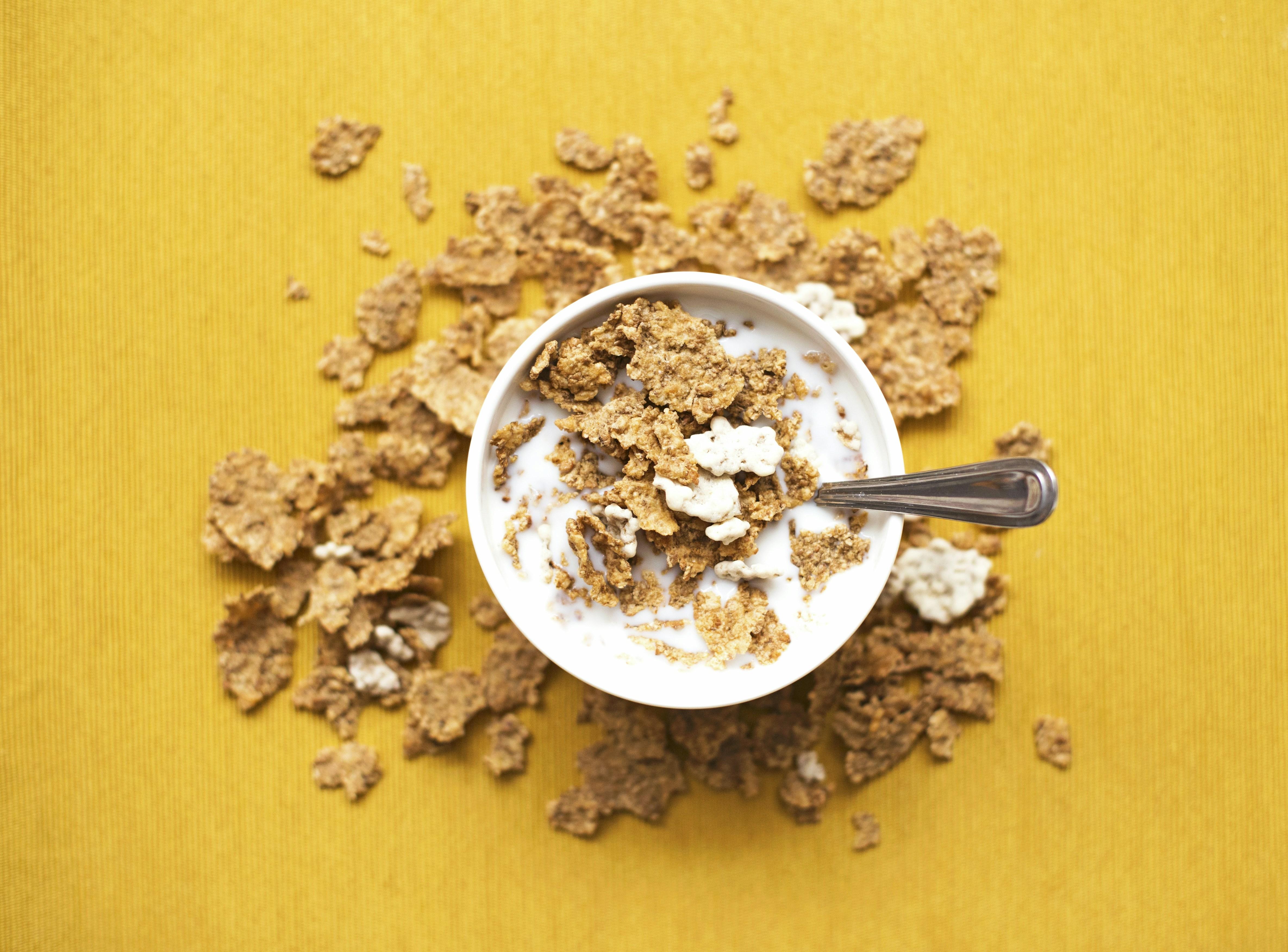
When diving into the world of cereals, the blend of flavors, textures, and nutritional value can often feel overwhelming.A great place to start is by identifying your personal preferences.Do you crave something sweet,or do you lean towards the nutty or fruity flavors? The grain type significantly influences the overall experience in your bowl. For instance, corn-based cereals deliver a crisp, sweet crunch while oats provide a creamier, heartier option.To enhance your culinary adventure, consider adding toppings such as fresh fruit, nuts, or even a drizzle of honey to elevate the taste and texture profile.
Health-wise, it’s vital to scrutinize the ingredients lists and nutritional labels. Look for cereals that boast whole grains, as they tend to be less processed and richer in fiber. Here’s a swift breakdown of some common cereal categories to help you make informed choices:
| Cereal Type | Flavor Profile | Health Benefits |
|---|---|---|
| Granola | Sweet, Crunchy | High in fiber, often includes nuts and seeds |
| Bran Flakes | Neutral, Earthy | Rich in fiber, aids digestion |
| Oatmeal | Warm, creamy | High in protein, heart-healthy |
| Corn Puffs | Crisp, Sweet | Low in calories, gluten-free |
Exploring these options will pave the way for discovering a cereal that not only pleases your palate but also fits into your health goals. remember, a mindful approach can transform your breakfast ritual into an enjoyable and nourishing experience!
To Wrap It Up
As we conclude our journey through the intricate world of cereal milling, it’s clear that this age-old craft is more than just a process—it’s a blend of science, tradition, and artistry. from the gentle grinding of grains to the precise crafting of flours, each step shapes the foundation of the meals that grace our tables. The nuances of milling not only influence flavor and texture but also reflect the rich tapestry of agricultural practices and technological advancements.As we pour our favorite cereals into bowls, let us take a moment to appreciate the unseen hands and machinery that transform humble grains into these delightful morning staples. Every spoonful carries with it a story—one of dedication, innovation, and respect for the land that nourishes us.
So, the next time you enjoy a bowl of cereal, remember the journey it has taken from field to breakfast table. The art of cereal milling, intricately woven into our daily lives, invites us to connect with our food on a deeper level, celebrating both its origins and its place in our culinary rituals. As we look ahead, may this exploration inspire a renewed recognition for the craftsmanship and traditions that continue to shape our food experiences.



