
Exploring the Essential Art of Maize Milling techniques
In the heart of countless cultures and cuisines around the world, maize stands as a fundamental staple, weaving its golden threads through traditions and culinary landscapes. Yet, what remains less explored is the intricate art of maize milling—a process that transforms whole kernels into fine meals and flours, unlocking a myriad of possibilities for cooking and baking.From the rhythmic sounds of ancient grinders to the hum of modern machinery, maize milling is not merely a task but a nuanced craft steeped in history and innovation. As we journey through the essential techniques of this age-old practice, we unveil the diverse methods that have evolved over centuries, celebrating the vital role they play in enriching our diets and connecting us to our agricultural roots. Join us as we delve into the various milling techniques, exploring their importance and the artistry behind each grain that meets the stone.
Understanding the Historical Context of Maize Milling
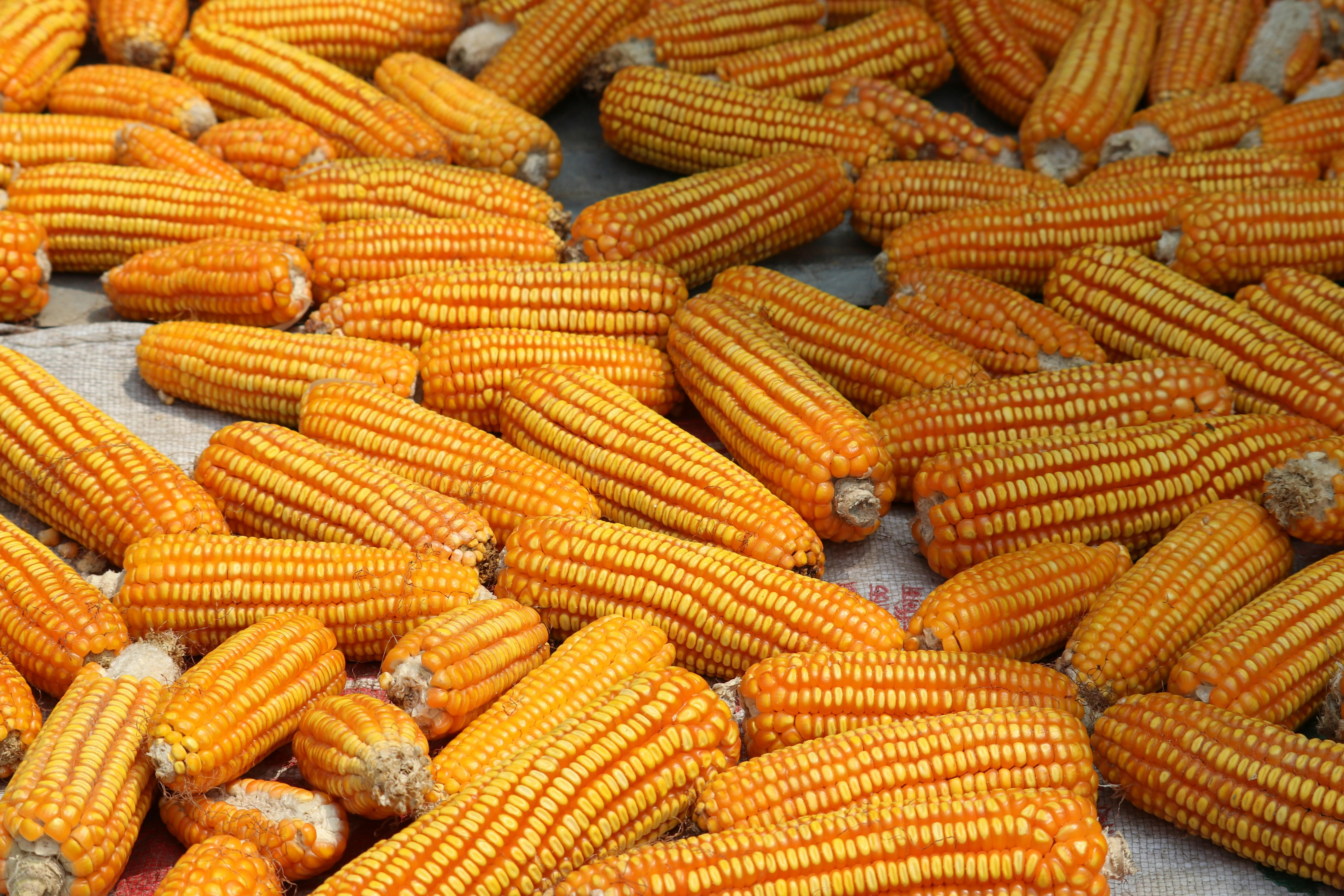
The art of maize milling is deeply rooted in history, with origins that trace back thousands of years to the ancient civilizations of the Americas. Indigenous peoples cultivated maize, also known as corn, as a staple crop, recognizing its nutritional value and versatility. The methods of milling maize evolved from simple grinding techniques using rudimentary tools to more refined mechanical processes. In communities across regions, maize served as a symbol of sustenance and cultural identity, frequently enough celebrated in rituals and ceremonies.With the introduction of European milling technologies, the dynamics of maize production began to shift, influencing agricultural practices and culinary traditions.
Throughout history, the significance of maize milling has transcended mere food production.It serves as a manifestation of agricultural innovation and adaptation, closely linked to various socioeconomic factors. The advent of industrialization in the 19th century brought about a revolution in milling technology, introducing steam-powered mills and later, electric machinery. This period marked a critical juncture, where local milling practices began to be replaced by larger, mechanized operations, impacting small-scale farmers and customary milling artisans. today, understanding this historical context is crucial in recognizing the role maize milling plays in contemporary societies, food security, and gastronomy.
| Era | Milling Technique | Impact on Society |
|---|---|---|
| Ancient Times | Manual grinding with stones | Foundation of sustenance and culture |
| Colonial Era | Animal-powered mills | Shift in agricultural practices |
| 19th Century | Steam-powered milling | Industrialization and urban migration |
| Modern Day | Electric mills and digital technologies | Efficiency in food production and global trade |
Key Techniques for Efficient grain Processing
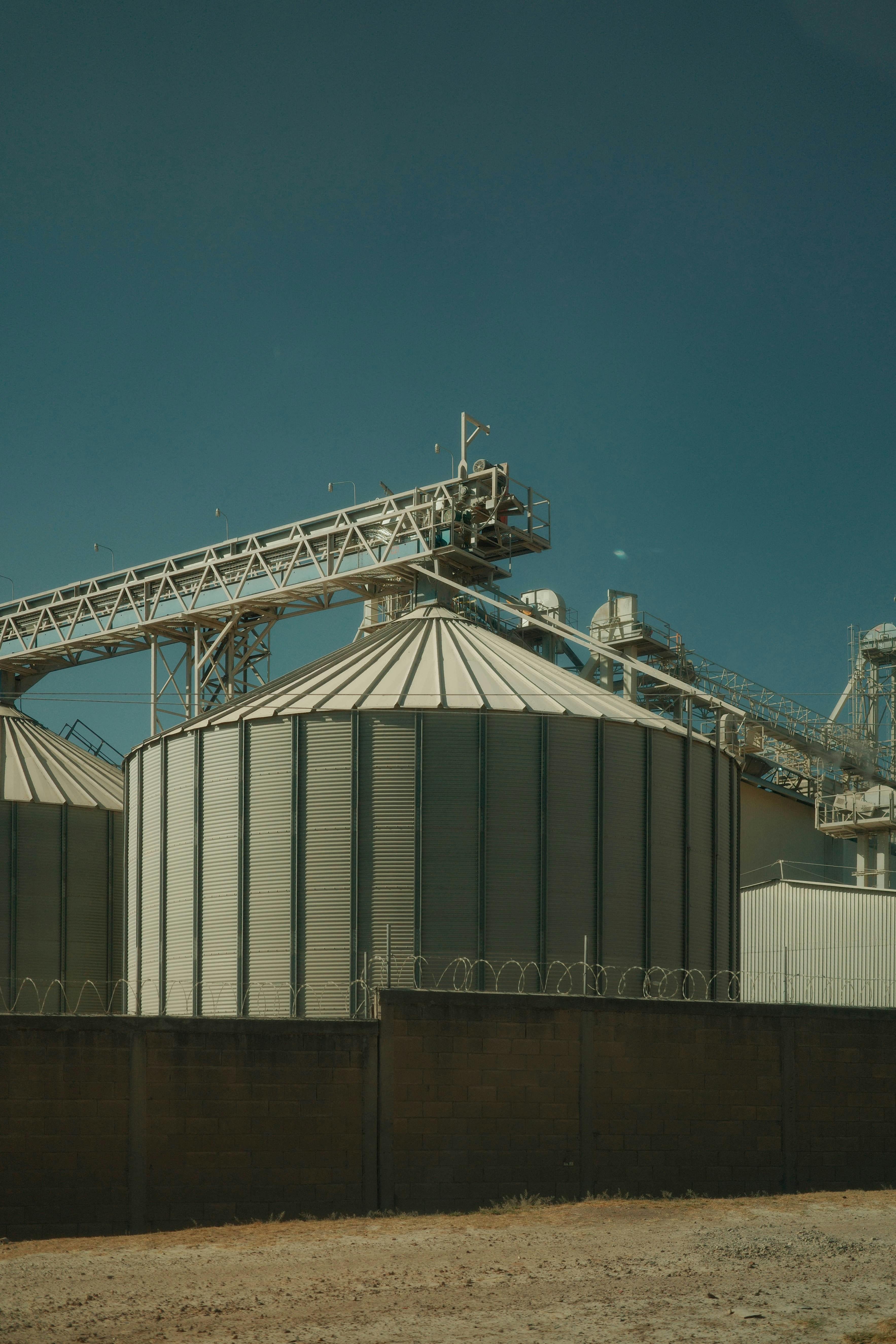
Efficient grain processing is essential for maximizing yield and minimizing waste. Implementing advanced milling techniques is crucial for achieving desirable flour quality and consistency. Particle size distribution plays a pivotal role in determining the end product’s texture; therefore, employing methods such as sieving and grinding ensures an optimized range. Additionally, integrating modern machinery into the milling process can significantly enhance efficiency by reducing manual work and increasing output. Key equipment such as hammer mills and roller mills should be calibrated to achieve specific flour characteristics that meet market demands.
Moreover, the choice of grain conditioning methods prior to milling cannot be overlooked. Moisture control improves the milling process by ensuring that the kernels are neither too dry nor too moist, which may lead to significant losses during processing. A well-balanced approach also includes maintaining proper temperature and ensuring that the raw materials are cleaned thoroughly to eliminate foreign substances. Incorporating test runs and quality assessments can aid in maintaining optimal conditions, highlighting the significance of a well-structured production schedule that emphasizes routinized checks at every stage of milling.
Exploring the Nutritional Benefits of Properly Milled Maize
Proper milling techniques play a crucial role in preserving the nutritional integrity of maize, a staple food found in many diets across the globe. When maize is milled correctly, the essential nutrients are retained, offering significant health benefits. Key nutritional components include:
- Carbohydrates: A primary source of energy,vital for daily activities.
- Protein: Crucial for muscle repair and growth, maize provides a plant-based protein option.
- Fiber: Aids in digestion and helps maintain a healthy gut.
- Vitamins and Minerals: Rich in B vitamins like folate, along with essential minerals such as magnesium and potassium.
Moreover, the milling process can impact the bioavailability of these nutrients. A careful milling approach that minimizes heat and retains the husk can enhance the overall quality of the flour. This ensures that consumers enjoy a product rich in antioxidants, which combat oxidative stress, as well as phytochemicals, known for their health-promoting abilities.The table below summarizes the key nutritional benefits of properly milled maize:
| Nutritional Component | Benefit |
|---|---|
| Carbohydrates | Primary energy source |
| Protein | Essential for muscle health |
| Fiber | Supports digestive health |
| Vitamins | Supports overall health |
| Minerals | Regulates bodily functions |

Innovative Tools and Technologies in Modern Milling Practices
Modern milling practices have undergone a remarkable transformation, thanks to the integration of innovative tools and technologies that enhance efficiency and precision. One of the most notable developments is the introduction of automated milling machines.These advanced machines are equipped with high-speed motors and sensors that regulate processes such as feeding, grinding, and sifting. Their ability to adjust settings in real-time ensures optimal flour quality while minimizing human error. Moreover, the use of computer numerical control (CNC) technology allows for highly intricate milling designs that cater to different product specifications, ensuring consistency in size and texture.
In addition to machinery advancements, data analytics and IoT (Internet of Things) have become integral to modern milling operations. By employing sensors that monitor grain quality and equipment performance, millers can gather valuable insights, allowing for proactive maintenance and reduced downtime. These technologies also facilitate better inventory management and streamline operations. On a broader scale,the incorporation of sustainable practices—such as energy-efficient milling solutions and waste reduction systems—further emphasizes the industry’s commitment to environmental responsibility. Below is a table summarizing the key technologies and their benefits:
| Technology | Benefits |
|---|---|
| Automated Milling Machines |
|
| CNC Technology |
|
| Data analytics and IoT |
|
Closing Remarks
As we conclude our exploration of the essential art of maize milling techniques, it’s clear that this process is not merely a means to an end, but a harmonious blend of tradition, skill, and innovation. From the sun-soaked fields where maize thrives to the rhythmic hum of modern milling machines, each step in this journey reflects a deep respect for the grain that has sustained countless cultures throughout history.
as we move forward, we are reminded that the art of maize milling is continuously evolving, embracing both age-old practices and cutting-edge technology. Whether it’s the small-scale artisan miller or the large industrial operation, each contributes to a rich tapestry of flavors, textures, and culinary possibilities that maize offers.
so, whether you are a culinary enthusiast, a miller at heart, or simply curious about the grains that shape our diets, the world of maize milling invites you to partake in its vibrant narrative. Let us celebrate not just the end product, but the intricate processes and passionate artisans behind it, ensuring that this vital craft thrives for generations to come. Thank you for joining us on this insightful journey through the heart of maize milling.



