
In a world where teh breakfast table often serves as the first canvas of the day, the journey from grain to bowl is a engaging saga of nature, innovation, adn tradition. From the moment a golden ear of wheat sways gently in the field to it’s conversion into perfectly milled flour, each step reflects a harmonious blend of art and science. The craft of cereal milling, a practice as ancient as agriculture itself, has evolved dramatically over the centuries, marrying time-honored techniques with cutting-edge technology. In this exploration, we delve into the intricate process that transforms humble grains into versatile staples that nourish billions across the globe. Join us as we uncover the meticulous steps, the skilled artisans, and the innovative machines that define the modern cereal milling industry, shedding light on how an everyday breakfast ingredient is born from the rich tapestry of agriculture and crafted with precision for our enjoyment.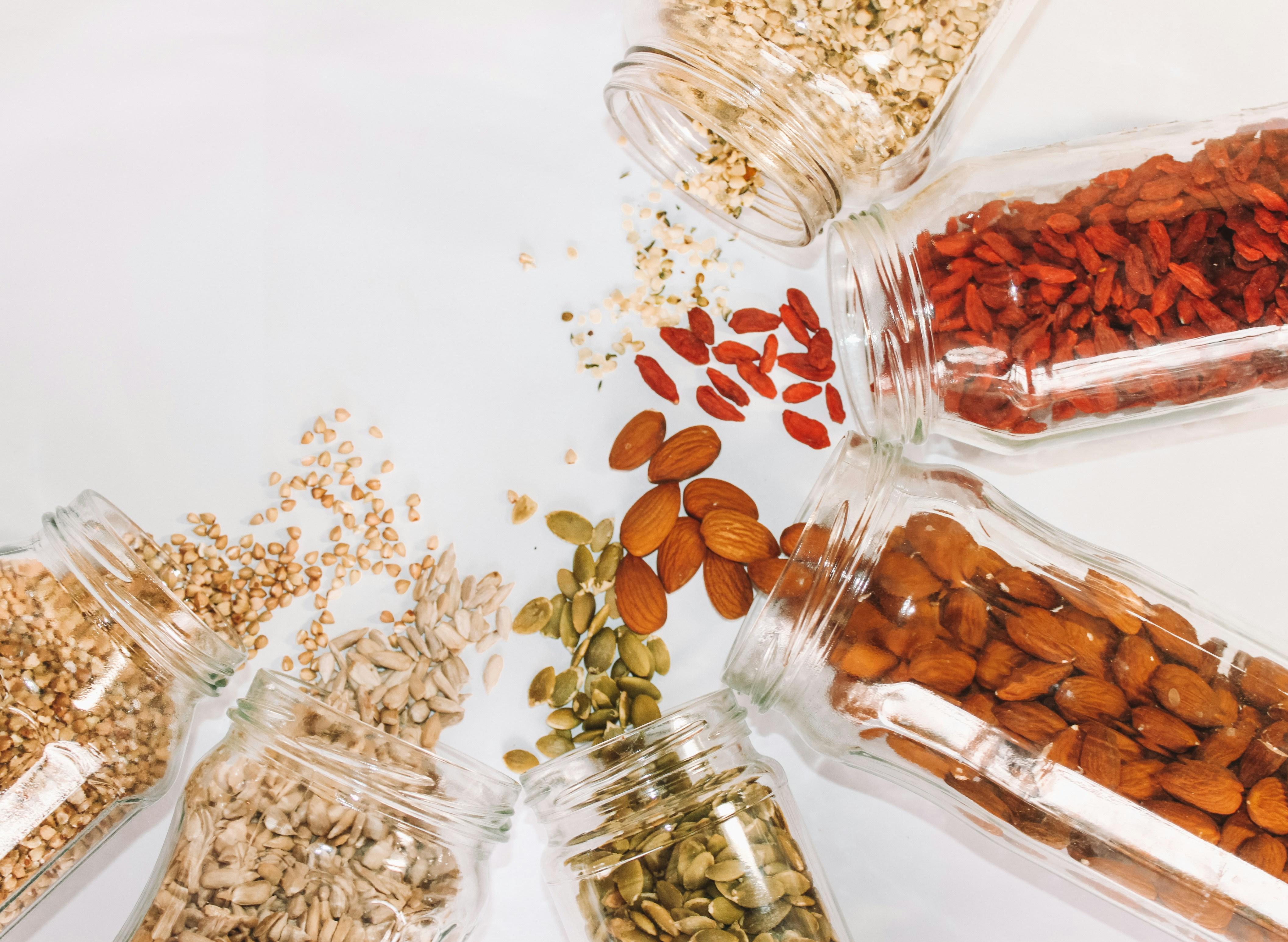
Exploring the Journey of Grains: Understanding the Milling Process
The journey of grains from farm to table is a fascinating blend of tradition, innovation, and science. It begins in the golden fields where wheat, corn, or oats sway under the sun, each variety meticulously cultivated to achieve optimal quality. Once harvested, these grains embark on a transformative journey through the milling process, which is both an art and a science.The grains are cleaned to remove impurities and stones, then conditioned to prepare the kernels for extraction. At this stage,they undergo grinding,and it is here that the finesse of milling techniques comes into play,utilizing a variety of methods such as steel roller milling or stone milling.
As the grains are transformed into flour, a deeper understanding of the milling process reveals the critical factors that affect the final product. Among these, milling techniques, particle size, and even the choice of grain contribute substantially to the texture and flavor of flour. notably, the process can be broken down into key steps:
- Cleaning: Removing foreign materials
- Conditioning: Adding moisture for optimal milling
- Milling: Grinding into flour through various methods
- Separation: Sifting to achieve desired flour quality
- Packing: Ready for distribution
The milling process also varies across different types of grains, each exhibiting unique characteristics that affect the resulting flour’s performance in cooking and baking. The following table outlines some common grains and their properties:
| Grain | Grain Type | Common Uses |
|---|---|---|
| Wheat | Hard/Soft | Breads, Pasta |
| Corn | Whole Grain | Polenta, Tortillas |
| Oats | Whole Grain | Granola, Oatmeal |
The Technical Precision Behind Cereal Milling: Equipment and Techniques
The journey from grain to bowl relies heavily on the intricate machinery and refined techniques of cereal milling. At the heart of these operations are the roller mills, which play a crucial role in the initial grinding process. These machines employ a pair of rotating cylinders to crush grain into finer particles while preserving essential nutrients. Other critical equipment includes hammer mills, which utilize high-speed rotating blades to pulverize grains, making them suitable for various forms of consumption. Additionally, sifters and separator machines ensure that the milled products meet specific granulation and purity standards, carefully eliminating impurities and achieving desired textures.
To optimize the milling process, millers employ several techniques that enhance efficiency and product quality. Such as, pre-conditioning involves moistening grains before milling to facilitate easier and more uniform grinding. This step,coupled with meticulous temperature control,aids in safeguarding the grain’s flavor and nutritional content. It’s also common to use air classification, which separates flour particles based on their size through airflow, creating a more consistent end product. Moreover, precise adjustments in mill settings allow for the tailoring of flour characteristics suited to various culinary needs, enhancing the versatility and appeal of the final products.
Nutritional Considerations: Enhancing Health Through Proper Milling
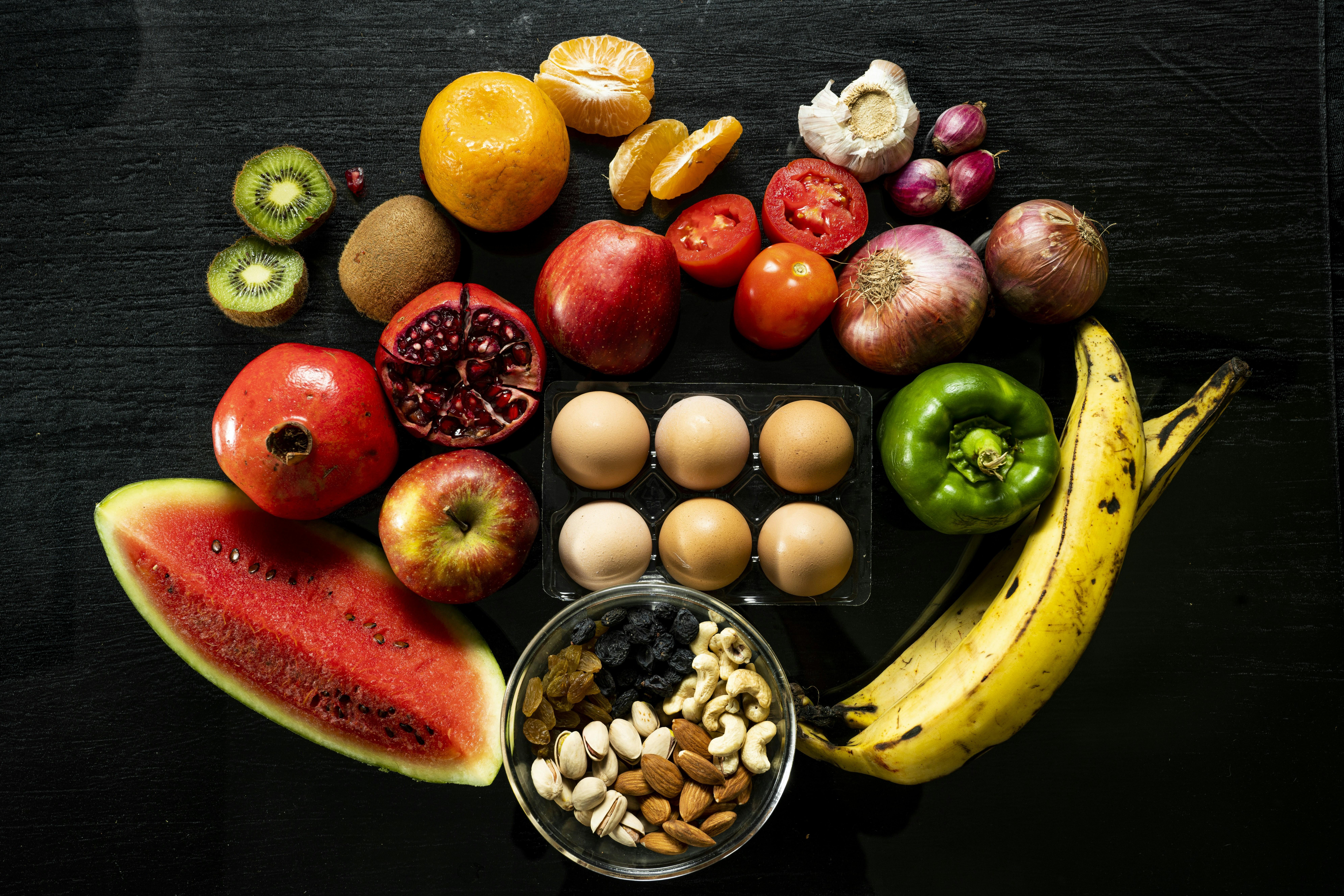
When exploring the journey from grain to bowls, one cannot overlook the notable role that proper milling plays in optimizing the nutritional profile of cereals. The process of milling affects both the physical and nutritional properties of grains,and thus serves as a gateway to enhanced health benefits. By utilizing methods such as stone milling, which retains the grain’s natural oils and nutrients, or modern roller milling, which separates the bran and germ from the endosperm, one can influence the delivery of nutrients to our bodies. Each method brings its unique advantages, allowing one to tailor the milling process to preserve or enhance specific health benefits.
Moreover, understanding the nutritional components of milled grains can guide consumers toward more informed choices. The following elements highlight how different types of milling can affect grain health attributes:
- Fiber Content: Whole grain milling preserves the bran, keeping essential dietary fibers intact.
- Minerals and Vitamins: Correct milling techniques maintain higher levels of minerals,such as iron and zinc,as well as B vitamins.
- Protein Quality: Milling can enhance the protein digestibility of certain grains when done correctly.
to illustrate the impact of various milling methods on the nutritional attributes of commonly milled grains, consider the following table:
| Milling Method | Nutritional Benefits |
|---|---|
| Stone Milling | Retains higher fiber and nutrient levels; enhances taste and health benefits. |
| Roller Milling | Produces finer flour; enhances shelf life but may reduce fiber and nutrients. |
| Cold Milling | Preserves volatile nutrients; ideal for specialty grains. |
As consumers become increasingly health-conscious, understanding these milling processes allows for more mindful consumption of cereal grains. A well-informed choice between different types of milled products can maximize health outcomes and contribute positively to overall nutrition.

From Farm to Table: Best Practices for Selecting and Using Milled Cereals
Proper selection and use of milled cereals can significantly enhance your culinary endeavors. When browsing through your local market or the aisles of a specialty store, it’s crucial to look for freshness, source quality, and nutrient density. Here are some recommendations to guide your choices:
- Check Dates: Always inspect for milling dates.Freshly milled grains retain their flavor and nutritional profile far better than older stock.
- Know Your Sources: Explore local farms or established brands that practice sustainable farming techniques. This not only supports local economies but frequently enough results in fresher products.
- Explore Varieties: consider trying a range of cereals, from familiar options like oats and wheat to less common choices like quinoa and teff. Each has unique flavors and health benefits.
Using milled cereals effectively in your kitchen involves understanding their properties and how they interact with other ingredients. For example,whole grain flours generally absorb more liquid than refined ones,impacting the recipe balance. Here’s a useful table that highlights some common cereals along with their recommended culinary uses:
| Cereal type | Best Uses | Nutritional Benefits |
|---|---|---|
| Oats | Breakfast bowls, baking | High in fiber, good for heart health |
| Quinoa | Salads, side dishes | Complete protein, gluten-free |
| whole Wheat | Baked goods, pasta | Rich in vitamins and minerals |
By incorporating these practices into your routine, you can ensure a flavorful and nutritionally beneficial experience with every meal.
to sum up
As we journeyed through the intricate world of cereal milling, we uncovered a fascinating blend of art and science that transforms humble grains into the breakfast staples we cherish. Each step in the milling process, from the selection of the finest grains to the precise grinding techniques, reflects a mastery honed over centuries, balancing tradition with innovation.
In today’s fast-paced world, understanding the meticulous craftsmanship behind our favorite cereals enhances our appreciation for what lies beneath each crunchy bite. From the whispers of the millstone to the buzz of modern machinery, the evolution of cereal milling represents not just a vital industry, but a party of culinary heritage and nutritional advancement.
As you pour that next bowl of cereal, take a moment to savor the journey it undertook—from the golden fields swaying in the breeze to the carefully milled product resting in your bowl. In each spoonful, there’s a story that intertwines nature, expertise, and the very essence of sustenance. So, let’s raise our bowls to the unsung heroes of cereal milling—the artisans and scientists alike—who make breakfast not just a meal, but a delightful exploration of flavor, texture, and nutrition.



