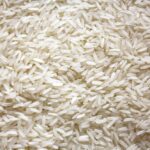
In the heart of agriculture, where earth meets innovation, lies a remarkable transformation that has captivated cultures and economies for centuries: the journey of grain to gold. At the forefront of this metamorphosis stands the rice mill plant—a vital nexus where raw, unassuming grain is meticulously converted into a staple that sustains billions. In this article, we explore the essence of rice mill plants, peeling back the layers of machinery, technology, and craftsmanship that turn humble rice paddy into an indispensable culinary treasure. From the rhythmic hum of milling equipment to the delicate art of polishing, we will delve into the intricate processes, challenges, and innovations that shape this age-old industry, illuminating the vital role these plants play in feeding the world and fostering economic growth. Join us as we embark on a journey through the heart of rice milling, uncovering the secrets behind transforming grain to gold.
The Journey from Paddy to Prosperity: Understanding the Rice Milling Process
The transformation of paddy to polished rice is a interesting journey that involves a series of meticulously designed processes. Initially, harvested paddy undergoes cleaning, where impurities such as dust and stones are removed to ensure quality. This is followed by hulling, a critical step where the tough outer husks are detached from the grains. This phase not only increases the yield but also sets the stage for further processing. Key stages in this journey include:
- De-husking: The removal of the outer layer to produce brown rice.
- Milling: A precision stage that polishes the brown rice, refining it into white rice.
- Grading: classifying the rice based on size and quality to meet market demands.
Throughout this process, state-of-the-art rice mill plants utilize advanced technologies to maximize efficiency and minimize waste. Energy-efficient machinery and precise quality control systems ensure that every grain is treated with care. To illustrate the efficiency of these transformations, consider the following table highlighting key yield metrics:
| Process | Yield (%) |
|---|---|
| Cleaning | 98 |
| Hulling | 90 |
| Milling | 72 |
Each stage contributes to the ultimate goal: producing quality rice that can command higher market prices. With strict adherence to food safety standards and sustainable practices, modern rice mill plants not only boost local economies but also contribute substantially to food security, turning humble grains into valuable resources.
Essential Machinery for Modern Rice Mills: Innovations Driving Efficiency
In the realm of rice milling,technological advancements have revolutionized traditional processes,ushering in a new era of efficiency and productivity. Floating and submersible rice mills have emerged as efficient alternatives by utilizing innovative water circulation systems that reduce energy consumption while maximizing output. Additionally, multi-function milling machines are gaining traction, as they seamlessly integrate various processes such as husking, whitening, and grading into a single unit, optimizing space and time. With every pulse of machinery, these innovations not only minimize wastage but also enhance the quality of the rice produced.
The implementation of automated quality control systems is another critical trend in modern rice mills. Such systems employ advanced sensors and AI algorithms to monitor grain quality in real-time, ensuring that only the best produce makes it to market. Furthermore,environmentally pleasant de-huskers designed with lower noise levels have become vital in reducing the carbon footprint of operations while maintaining productivity levels. The evolution of rice milling technology has led to a significant transformation, making the journey from field to plate swift and sustainable.
| Machinery Type | Key Benefits |
|---|---|
| Floating Rice Mills | Energy-efficient, lower operational costs |
| Multi-Function Milling Machines | Space-saving, time-efficient |
| Automated Quality control Systems | Real-time monitoring, enhanced quality |
| Environmentally Friendly De-Huskers | Reduced noise, lesser carbon footprint |
Quality Control in Rice Processing: Ensuring Excellence from Field to Market
In the journey from farm to fork, quality control stands as a guardian of excellence. To achieve the highest standards in rice processing, a meticulous approach is adopted that ensures that each grain meets rigorous criteria before it reaches consumers. This involves several critical stages that include harvesting,drying,and milling,where precision equipment and expert supervision play pivotal roles. Key practices ensure quality throughout the process:
- regular Testing: Samples of paddy rice are routinely analyzed for moisture and foreign material.
- Processing Standards: Mills adhere to strict regulations involving temperature, duration, and machinery calibration.
- Final Inspection: Finished rice undergoes sensory and physical assessments to confirm quality before packaging.
Moreover, the integration of advanced technology has revolutionized the quality control landscape in rice processing. The utilization of AI-driven analytics and automated systems not only enhances efficiency but also minimizes human errors.This commitment to excellence is reflected in the following comparative metrics that help rice mill plants measure their quality output against industry standards:
| Quality Metric | Standard Level | Achieved Level |
|---|---|---|
| Moisture Content | 12% or Less | 11.5% |
| Foreign Material | 1% or Less | 0.5% |
| Husk Removal Rate | 95% or More | 98% |
Sustainable Practices in Rice Milling: Balancing Profit and Environmental Stewardship
In the quest for efficiency and profitability, rice mills are increasingly adopting innovative practices that honor both the environment and the livelihoods of those dependent on the grain. Modern technologies such as husk-to-energy systems play a pivotal role in minimizing waste while generating renewable energy that powers the milling processes. Additionally, the utilization of water-efficient techniques ensures that the precious resource is conserved throughout the milling operations. Other commendable practices include:
- Eco-friendly rice husk briquettes—transforming waste into a valuable energy source that can supplement fossil fuels.
- Solar power integration—leveraging renewable energy to decrease dependency on traditional energy sources.
- Efficient water management systems—reducing water consumption through closed-loop systems and rainwater harvesting.
Furthermore, embracing sustainable practices can led to enhanced profitability through improved market access and consumer loyalty. Today, buyers are more inclined to support brands that demonstrate a commitment to environmental stewardship. Mills adopting certifications for sustainable practices, such as the ISO 14001, create competitive advantages, aiding them in attracting a broader customer base seeking ethically-produced rice. To illustrate the economic benefits associated with these practices, consider the table below:
| Practice | Cost Savings | Environmental Impact |
|---|---|---|
| Husk-to-energy Systems | Up to 20% reduction in energy costs | Decreases waste sent to landfills |
| Water-efficient Techniques | 15% savings on water bills | Less strain on local water resources |
| Solar Energy Utilization | Decreases reliance on grid power, saving 30% annually | Reduces carbon footprint significantly |
Future Outlook
As we wrap up our exploration of the intricate journey from grain to gold within the frameworks of rice mill plants, we uncover a narrative that transcends mere agriculture.It speaks to the resilience and innovation of communities,the harmony between tradition and technology,and the promise of sustainability in feeding a growing global population.Each step in the milling process, from dehusking to polishing, reveals not just the transformation of rice but the potential to uplift lives and economies.
In an era defined by challenges and opportunities, rice mill plants epitomize a bridge between past practices and future aspirations. They serve as reflections of cultures, embodying centuries of culinary heritage while adapting to modern demands.The wisdom ingrained in every grain underscores a shared responsibility toward mindful consumption and environmental stewardship.
As we look to the future, let us celebrate and support the vital role of these mill plants—not just as industrial units, but as cornerstones of food security, economic stability, and cultural identity. transforming grain to gold is not solely about the physical product, but about cultivating a richer, more sustainable world for the generations to come.