In an age where food sustainability and transparency have taken center stage, understanding the journey of our ingredients has never been more crucial. Among the most staple foods worldwide, rice stands as a testament to both cultural significance and culinary versatility. But have you ever wondered what happens to this humble grain from the moment it is indeed harvested in sun-drenched fields to when it graces your dinner plate? “From Field to Table: The Journey of Rice Processing Unveiled” invites you to embark on a engaging exploration of the intricate processes that turn this vital crop into the fluffy, aromatic accompaniment we frequently enough take for granted. Join us as we delve into the stages of rice processing, tracing the path through cultivation, harvesting, milling, and packaging, while illuminating the labor, innovation, and traditions intertwined in each grain.
Exploring the Lifecycle of Rice from Harvest to Consumption
Once the rice is harvested, the journey transforms tremendously through various stages of processing that date back thousands of years. Initially, the freshly cut rice stalks are bundled and allowed to dry under the sun, a vital step that ensures moisture is reduced to optimal levels for further processing.After drying, the grains undergo threshing, breaking the bonds that hold them to the plant, and separating the golden grains from the husk. This is often accomplished through modern machinery or customary methods, depending on the scale of production.
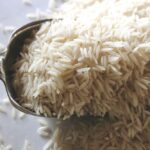
Following threshing,the rice enters the milling phase,where it is refined to enhance its appeal and shelf life. During this phase, the outer husk is removed, resulting in brown rice, which retains its bran layers and nutrients. To produce white rice, additional milling is performed to remove the bran and germ, leading to a polished, glossy finish. The processed rice is then graded according to quality and packaged for distribution. This intricate journey culminates in various culinary applications, from traditional dishes to modern culinary innovations, highlighting the versatility of rice as a staple food worldwide.
| Processing Stage | Description |
|---|---|
| Harvesting | Cutting the rice at the right maturity to maximize yield. |
| Drying | Reducing moisture content to prevent spoilage. |
| Threshing | Separating grains from the husk. |
| Milling | Refining the rice to produce brown or white rice. |
| Grading | Categorizing rice based on quality. |
Understanding the Methods Behind Modern Rice Processing
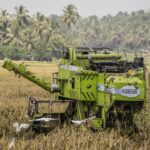
The journey of rice from field to table involves a complex interplay of various processing methods designed to preserve quality and enhance flavor. One of the foundational stages is harvesting, where the rice is cut from the stalks, typically using a combine harvester for efficiency. Following harvesting, the grains undergo threshing to separate the rice grains from the chaff. This pivotal stage helps maintain the integrity of the grains while minimizing loss. The next step is drying, crucial for reducing the moisture content of the grains to a stable level, typically around 14%. proper drying prevents spoilage and extends the shelf life of the rice.
Once dried, the rice enters the milling phase, which is where the transformation truly begins.This process can be categorized into several stages: husking, where the outer husk is removed; polishing, which refines the grain for optimal texture and appearance; and grading, which sorts the rice based on size and quality. The final enhancement often involves fortification, where vitamins and minerals are added to improve nutritional content. The culmination of these steps not onyl ensures that rice is safe for consumption but also maintains its unique flavors and textures, readying it for a place on the dinner table.
| Processing Stage | Description | Purpose |
|---|---|---|
| Harvesting | Cutting rice from stalks | Collecting the crop |
| Threshing | Separating grains from chaff | Minimizing grain loss |
| Drying | Reducing moisture content | Extending shelf life |
| Milling | Removing husk and polishing grains | Enhancing quality and appearance |
| Fortification | Adding nutrients | Improving nutritional value |
Sustainability Practices in Rice Farming and Processing
In an era where environmental impact is of utmost concern, rice farming and processing are increasingly adopting enduring practices that promote ecological balance and minimize waste.Farmers are turning to integrated pest management (IPM), which reduces reliance on harmful pesticides, ensuring healthier crops and soil. Additionally, methods like crop rotation and diversification not only enhance biodiversity but also improve soil fertility over time.These approaches are complemented by the utilization of precision agriculture technologies, enabling farmers to monitor and manage their resources more efficiently. By setting up water-efficient irrigation systems, rice growers can reduce water consumption and combat issues related to salinity and water scarcity.
The journey of rice from field to table also emphasizes ethical processing practices. Many rice processors are now striving for zero waste in their operations. This means minimizing by-products through innovative processing techniques, along with repurposing rice husks and straws into valuable biofuels or fertilizers. Furthermore, there is an increasing trend towards certification schemes such as Fair Trade and Organic, which guarantee that farmers receive fair compensation while adhering to environmentally pleasant practices. By cultivating responsible consumption habits and fostering sustainability throughout the supply chain, we can collectively contribute to a healthier planet.
Enhancing Quality: Innovations in Rice Milling Technology
As the demand for high-quality rice continues to rise, advancements in milling technology are transforming the landscape of grain processing. Modern rice mills now utilize integrated systems that not only streamline production but also enhance the quality of the final product. Key innovations include:
- Automated Sorting Mechanisms: Using advanced sensors and artificial intelligence,these systems can detect and separate defective grains,ensuring only the highest quality rice reaches consumers.
- Airflow Adjusted Milling: Precise control over airflow during milling reduces breakage and promotes uniformity, preserving the integrity and nutritional value of each grain.
- Eco-friendly Water Polishing: New water polishing techniques minimize chemical use, making the process more sustainable while still achieving that desired shine.
in tandem with these technologies, the integration of data analytics allows mill operators to monitor and optimize each step of the milling process. By harnessing real-time data,mills can adjust parameters on-the-fly,ensuring maximum efficiency and quality control. The table below highlights the comparative benefits of traditional versus modern rice milling methods:
| Feature | Traditional Milling | Modern milling |
|---|---|---|
| Percentage of Whole grains | 70% | 95% |
| Sustainability | Moderate | High |
| Operational Efficiency | Low | High |
| Grain Quality Consistency | Variable | Consistent |
In Conclusion
As we conclude our exploration of the intricate journey from field to table in rice processing, it becomes clear that this humble grain is more than just a staple on our plates. It embodies a rich tapestry of tradition, innovation, and dedication that connects farmers, millers, and consumers in an ongoing cycle of nourishment and culture. Each step in the processing journey reflects not only the hard work of countless individuals but also the necessity of sustainable practices that safeguard our food supply for generations to come.
Understanding this journey invites us to appreciate the significance of our choices as we navigate the aisles of our local grocery stores or savor each bite at the dining table. So the next time you scoop a serving of rice, remember the rich history it carries and the myriad of hands that have nurtured it from seed to supper. In a world increasingly driven by convenience, let’s celebrate and respect the elaborate process that brings this treasured grain into our lives—one that deserves our attention and gratitude.