
Streamlining Sustainability: The Evolution of Paddy Processing
In the heart of rural landscapes, where golden grains sway gently in the breeze, paddy fields have long been a symbol of sustenance and tradition. As global awareness of environmental issues grows, the methods of transforming that humble paddy into rice—a staple for over half the world’s population—are undergoing a profound transformation. This article explores the evolution of paddy processing, focusing on the innovative practices that are enhancing sustainability within this vital industry. From traditional approaches steeped in heritage to modern technologies driven by sustainability goals, we will delve into the shift towards more efficient, eco-friendly methods that not only improve yields but also protect the planet. Join us as we uncover how the journey from field to table is being refined, reflecting a commitment to both agricultural integrity and environmental stewardship.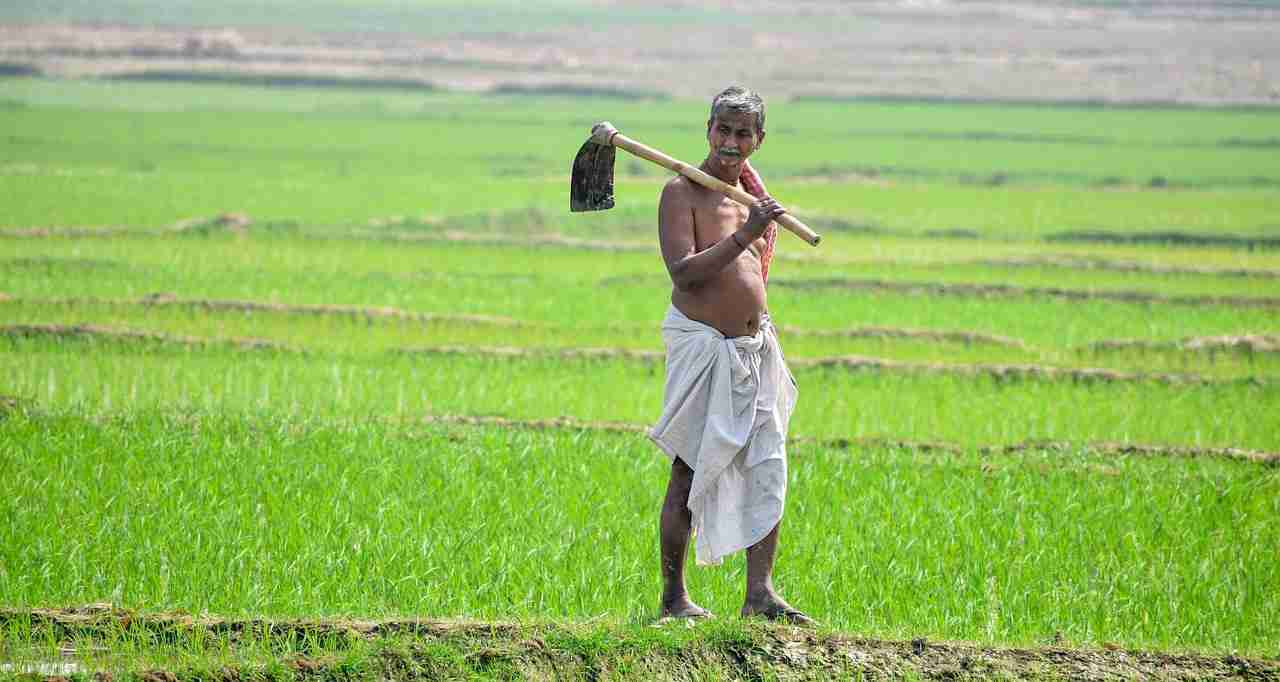
Understanding Paddy Processing: A Historical Perspective on Sustainability
The journey of paddy processing has undergone significant transformations over the centuries, shaped by innovations, cultural practices, and environmental concerns. Traditionally, milling rice was a labor-intensive process, relying heavily on manual labor and simple tools. Early methods often involved the use of foot-operated mortars or wooden pestles, which, while effective, had limitations on efficiency and output. However, as societies evolved, the advent of mechanization in the 19th century revolutionized this sector. The introduction of steam engines and later, electric mills, led to increased productivity and allowed for the incorporation of more refined technologies, which improved grain quality and reduced labor costs.
With the ever-growing awareness of environmental sustainability, the focus of paddy processing has gradually shifted towards minimizing waste and optimizing resource use. Modern practices now prioritize eco-friendly techniques, such as:
- Utilizing biomass from husks and straw for energy production
- Implementing water-saving technologies that recycle and purify water used in processing
- Adopting organic farming methods to reduce chemical inputs
This evolution reflects a broader commitment within the agricultural industry to harness technology and traditional knowledge to create a sustainable future, ensuring that the crucial cycle of paddy processing aligns with planetary health and food security.
Innovative Techniques for Resource Efficiency in Paddy Processing
In the quest for enhanced sustainability, producers are adopting innovative techniques that focus on minimizing waste and maximizing resource efficiency throughout the paddy processing cycle. Techniques such as water recycling systems play a pivotal role in reducing overall water consumption. These systems allow for the capture and reuse of water used in milling and washing, significantly lowering dependency on freshwater sources. Additionally, integrating solar energy solutions into machinery operations not only diminishes reliance on fossil fuels but also cuts down energy expenses, transforming waste into a valuable resource.
Moreover, advancements in cutting-edge milling technologies are proving to be game-changers. Those technologies, including high-efficiency hulling and polishing equipment, minimize energy use while enhancing yield quality. Implementing digital tracking systems simplifies inventory management and reduces transportation-related emissions by optimizing logistics. The following table outlines some of these emerging techniques and their benefits:
| Technique | Benefits |
|---|---|
| Water Recycling | Reduces freshwater consumption, minimizes waste. |
| Solar Energy Solutions | Cuts energy costs, decreases carbon footprint. |
| High-Efficiency Milling | Enhances yield quality, reduces energy use. |
| Digital Tracking Systems | Optimizes logistics, reduces transport emissions. |

The Role of Technology in Enhancing Environmental Accountability
In an era where the intersection of technology and environmental accountability is more critical than ever, innovative tools and practices are reshaping how we approach sustainability in paddy processing. Smart sensors and IoT devices are being integrated into rice mills, providing real-time data on energy consumption, water usage, and emissions. This transparency allows operators to monitor their footprint and implement energy-efficient technologies that minimize waste, resulting in cleaner and more sustainable processing methods. With precise tracking capabilities, these technologies help producers adjust their operations based on environmental impact, ultimately contributing to a healthier ecosystem.
Moreover, the use of data analytics and machine learning algorithms can enhance decision-making processes in crop management and resource allocation. Farmers can now access platforms that analyze soil quality, weather patterns, and pest activity, allowing for targeted interventions that reduce chemical inputs and optimize yields. This shift towards data-driven agriculture not only boosts productivity but also fosters a culture of accountability among producers. As a testament to this development, the following table illustrates the potential reductions in resource use achieved through technological integration:
| Technology | Resource Reduction (%) |
|---|---|
| IoT Sensors | 30 |
| Data Analytics | 25 |
| Precision Agriculture | 40 |
Future Directions: Strategies for Sustainable Growth in the Paddy Sector
To pave the way for a sustainable future in the paddy sector, a multifaceted approach is essential. This involves integrating innovative technology and traditional farming practices to create a more resilient ecosystem. Key strategies include:
- Adopting Precision Agriculture: Utilizing data analytics and satellite imagery to optimize water usage and fertilizer application.
- Implementing Organic Practices: Encouraging farmers to transition to organic farming to enhance soil health and reduce chemical dependency.
- Promoting Crop Diversification: Introducing alternative crops alongside paddy to improve biodiversity and soil fertility.
- Enhancing Water Management: Investing in efficient irrigation systems to minimize water wastage and ensure sustainable water use.
The collaboration between stakeholders is crucial for driving these initiatives forward. Farmers, governments, and private entities must work together to provide the resources and education necessary for sustainable growth. Establishing training programs can facilitate knowledge transfer, while partnerships can lead to the development of community-based projects that focus on:
- Sharing Best Practices: Creating platforms for farmers to exchange information on sustainable farming methods.
- Investment in Research: Allocating funds for research into pest-resistant paddy varieties and sustainable processing techniques.
- Access to Resources: Ensuring equitable access to tools and technologies that support sustainable paddy production.
| Strategy | Expected Outcome |
|---|---|
| Precision Agriculture | Reduced costs and increased efficiency. |
| Organic Practices | Healthier ecosystems and enhanced crop quality. |
| Water Management | Optimal water use and crop resilience. |
To Conclude
As we conclude our exploration of “Streamlining Sustainability: The Evolution of Paddy Processing,” it’s evident that the journey of rice from field to plate is not just a tale of agricultural practice but a testament to innovation and resilience. The transformation of paddy processing reflects a broader commitment to sustainability, as newer technologies and methods emerge to lessen environmental impacts while maximizing efficiency.
This evolution is marked by a dynamic interplay between tradition and modernity, showcasing the potential for harmony between human ingenuity and ecological stewardship. Awareness of our food systems’ complexities drives us toward more sustainable practices, reinforcing the importance of ethical responsibility in every grain of rice we consume.
As we continue to refine these processes, let us remain mindful of the lessons learned and the pathways yet to be explored. The future of paddy processing holds promise, not only for farmers and consumers but also for the planet we all share. By embracing innovation grounded in sustainability, we can look forward to a thriving agricultural landscape that nourishes both body and earth for generations to come.



