
Grinding to Perfection: The Art and Science of Cereal Milling
In the heart of grain-sowing landscapes and the rhythmic pulse of bustling mills lies a fascinating intersection of art and science: cereal milling. This age-old practice, which transforms humble grains into the foundation of countless food products, is more than just a mechanical process; it is a delicate symphony of precision, innovation, and tradition. As we journey through the intricate world of cereal milling, we will explore the techniques and technologies that elevate grinding from a mere task to a craft. From the historical roots of milling to the modern advancements that streamline production, the story of how we achieve the perfect grind is one that speaks to our quest for quality and sustainability. Join us as we uncover the secrets behind this essential process, revealing how each grain becomes a vital ingredient in our daily lives.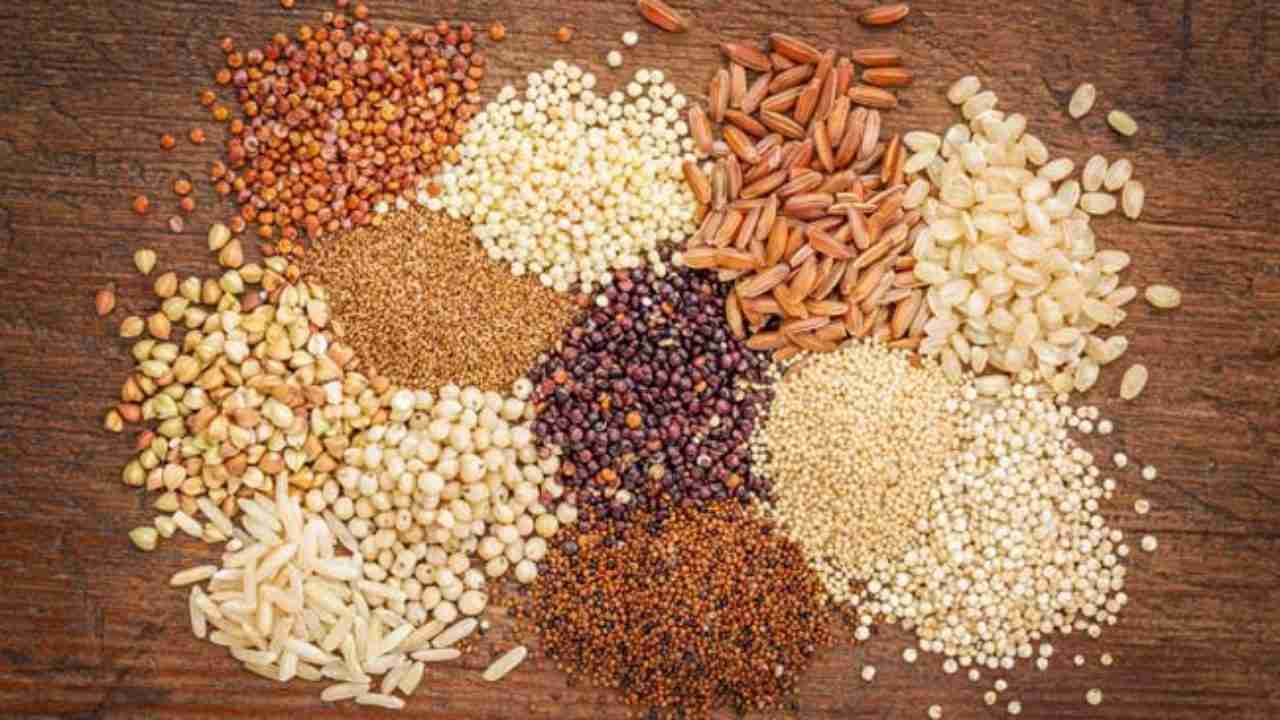
Exploring the Grain: Understanding the Importance of Raw Material Quality
In the world of cereal milling, the quality of raw materials plays a pivotal role in determining the final product’s characteristics. A few key factors that influence raw material quality include:
- Grain Variety: Different varieties bring unique flavors, textures, and nutritional values.
- Moisture Content: Optimal moisture levels affect milling efficiency and product stability.
- Purity: The presence of foreign materials can compromise quality and safety.
Understanding these components not only aids millers in choosing the best grains but also ensures that the milling process yields the desired end products. In addition, certified quality checks and sustainable sourcing practices help maintain a consistent supply of high-caliber materials, ensuring that every batch meets rigorous safety and quality standards. Investing in quality raw materials is not just a necessity but an art, as it lays the foundation for producing exceptional flour and cereals that delight consumers.
| Quality Factor | Impact on Milling | Desired Range |
|---|---|---|
| Grain Variety | Affects flavor and nutritional profile | Species with good milling properties |
| Moisture Content | Influences shelf life and milling yield | 12-14% |
| Purity | Ensures product safety and quality | Min. 99% clean grain |
The Milling Process Unveiled: Techniques and Machinery That Shape Cereal Production
The milling process is a harmonious blend of art and science, characterized by a series of intricate techniques that convert cereal grains into flour. Each step is designed to enhance the quality and texture of the final product. The journey begins with the careful selection of grains, which are subjected to thorough cleaning to eliminate impurities. This is followed by steeping, tempering, and grinding, where the kernels undergo mechanical and sometimes thermal treatment. The most common types of milling machines used include:
- Roller Mills: These are the most prevalent, utilizing pairs of rotating cylindrical rollers to crush and grind the grains.
- Hammer Mills: Utilizing high-speed rotating hammers, this type of mill shatters kernels into fine particles.
- Stone Mills: A traditional method that grinds grains between two stones, offering a unique texture and flavor.
Once the grains are milled, the process doesn’t stop there. Flour is often further classified by sifting through various screens to achieve different textures, from coarse to fine. This allows millers to produce specialized flours for diverse culinary applications, catering to specific consumer demands. The efficiency of milling systems can be enhanced by employing various technologies, such as air classification, conditioning, and de-germination, which refine flour quality even further. Below is a summary of milling techniques that influence cereal production, showcasing their impact on the final flour quality:
| Milling Technique | Impact on Flour Quality |
|---|---|
| Roller Milling | Produces fine, uniform flour ideal for baking. |
| Hammer Milling | Creates coarser flour; better for cereals and animal feed. |
| Stone Milling | Retains more nutrients and flavor, preferred for artisanal products. |
Achieving the Ideal Texture: Factors Influencing Particle Size and Consistency
The quest for the perfect texture in cereal milling hinges on several critical factors that influence both particle size and consistency. The first key element is grain selection, as different crops have inherent variances in hardness and moisture content, affecting how they break down during grinding. Another factor is the milling method employed, whether it be roller milling, stone grinding, or impact milling; each technique applies different forces that can either enhance or degrade the texture. Additionally, screen size used during the milling process plays a crucial role in determining the final particle size, guiding the grains through tailored openings to achieve the desired consistency.
Moreover, process variables such as temperature and pressure can dramatically alter the outcome. If temperatures reach excessive levels during grinding, it could lead to the denaturation of proteins, creating a less desirable finished product. To optimize results, monitoring is essential, which includes keeping track of:
- Feed rate – the speed at which grains enter the mill
- Grinding time – the duration for which grains are processed
- Moisture levels – which can affect the grinding efficiency
By understanding and manipulating these factors, millers can achieve a consistent texture that caters to various culinary applications.

From Science to Sensory: Evaluating Flour Quality for Optimal Baking Results
Flour quality is paramount in the culinary arts, where the alchemy of baking transcends mere ingredients. The characteristics of flour can significantly influence the final product’s texture, flavor, and structure. To evaluate flour quality effectively, it is essential to examine several key factors:
- Protein Content: The amount of protein in flour affects gluten formation, which is critical for elasticity and rise.
- Moisture Level: Higher moisture content can lead to shorter shelf-life and a difference in baking performance.
- Granulation: The fineness of the ground flour determines how quickly it hydrates and blends, which is crucial for even mixing.
- Color: Aesthetics matter; the color of flour can hint at its refinement process and the extent of milling.
- Aging Process: Some flours benefit from time; natural aging can develop flavor and improve baking quality.
Understanding these factors allows bakers to select the ideal flour for their specific baking needs. For instance, high-protein bread flours are preferred for developing structure and chew in artisan loaves, while low-protein cake flours are ideal for tender, crumbly textures in pastries. In the world of baking, selecting the right flour isn’t just a choice—it’s an art that blends science with sensory evaluation. A useful comparison of flour types can help simplify this decision:
| Flour Type | Protein Content (%) | Best For |
|---|---|---|
| All-Purpose | 10-12 | Breads, Cookies, Miscellaneous |
| Bread Flour | 12-14 | Breads, Rolls |
| Cake Flour | 7-9 | Cakes, Muffins |
| Whole Wheat Flour | 13-15 | Nutty Breads, Rustic Products |
| Pastry Flour | 8-10 | Pies, Tarts |
Future Outlook
In the grand tapestry of food production, the meticulous process of cereal milling often goes unnoticed, yet it holds the threads that weave together nutrition, flavor, and innovation. As we conclude our exploration of ”Grinding to Perfection: The Art and Science of Cereal Milling,” we recognize that this age-old craft is not merely about turning grains into flour. It is a harmonious blend of tradition and technology, where precision meets creativity, and the quest for quality is an ongoing journey.
From the historical origins of milling practices to the cutting-edge advancements shaping the future, cereal milling is a testament to human ingenuity and adaptability. Each grain processed is a story of careful selection, methodical grinding, and a commitment to excellence. As we reflect on the intricate mechanics behind this vital industry, let us appreciate the invisible hands that transform simple grains into the staples of our daily lives.
As you reach for your next bowl of cereal or loaf of bread, take a moment to honor the craft that has evolved through centuries. The art and science of cereal milling remain a bridge between our past and future, serving as a reminder that in our pursuit of perfection, the grinding continues—both in the mills and within ourselves.



