
In a world where breakfast often takes on the form of convenience, few things are as foundational as the humble cereal grain. Nestled within the heart of this morning staple lies a complex and fascinating process known as milling — a practice that marries both art and science. “Grinding Goodness: The Art and Science of Cereal Milling” invites readers to explore the intricate journey from field to bowl, where the transformation of raw grains into finely milled flour or hearty flakes is both a culinary skill and a scientific endeavor. Delving into the mill’s inner workings, we unravel the delicate balance of techniques, technology, and tradition that enrich our diets and our lives. Join us as we sift through the layers of this ancient craft, uncovering the secrets that lie within the grind and celebrating the goodness that nourishes our mornings.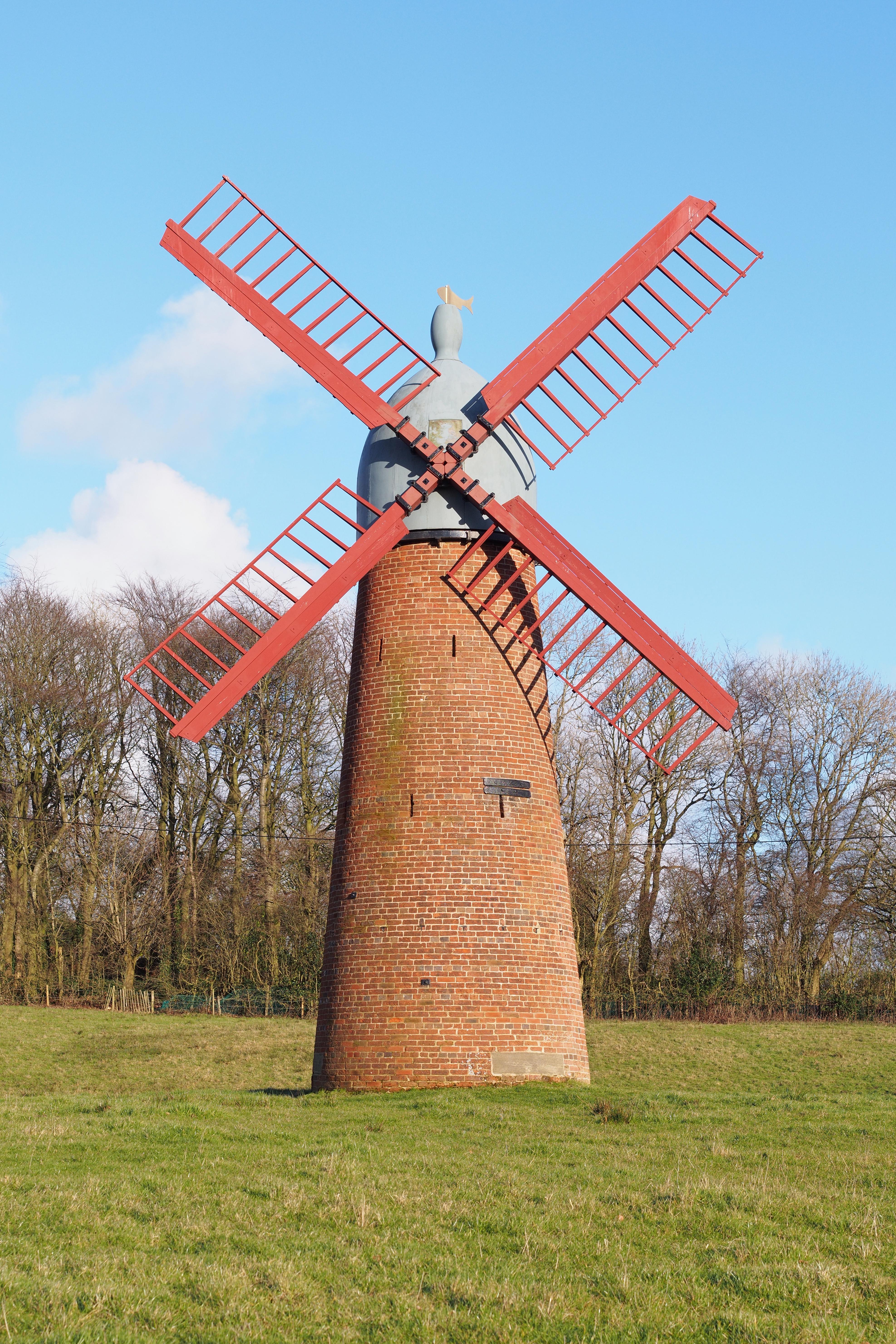
Exploring the Mill: Understanding Cereal Composition and Grains
The intricate world of cereal milling begins with an understanding of the grain itself. Grains serve as the foundation of our cereal products, showcasing a remarkable variety that each contributes unique flavors and textures. Whether it’s the hard, protein-rich varieties like wheat or the soft, delicate types like oat, each type brings its own set of qualities. Important components of grains include:
- Endosperm: The starchy interior, providing energy.
- Bran: The outer layer, rich in fiber and nutrients.
- Germ: The embryo of the grain, containing healthy fats and vitamins.
Understanding these components is crucial in the milling process to achieve the desired quality and characteristics of the end product. Mills utilize various grinding techniques that aim to separate these components effectively while maximizing the grain’s nutritional profile. The stages of milling typically include:
| Stage | Goal |
|---|---|
| Cleaning | Remove impurities and foreign materials. |
| Grinding | Break down the grain into flour or meal. |
| Sifting | Separate fine flour from coarser particles. |
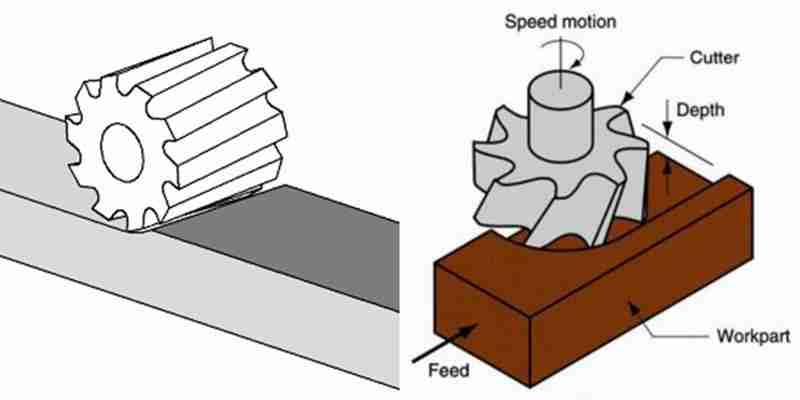
The Milling Process Unveiled: Techniques for Optimal Flour Quality
The journey from grain to flour is a meticulous blend of art and precision. Understanding the nuances of the milling process can significantly enhance the quality of the flour produced. At the heart of this transformation lies the technique of grinding, which ideally occurs in several stages to maximize extraction and preserve the nutrient profile of the grain. These stages typically include:
- Cleaning: Removing impurities and ensuring grain purity.
- Conditioning: Adjusting moisture levels for optimal grinding.
- Grinding: Crushing and reducing particle size using various mills.
- Sifting: Separating finer flour from coarser particles.
Within these stages, modern milling techniques utilize advanced machinery, from roller mills to stone mills, each offering unique benefits in terms of texture and flavor. The roller mill, for instance, is invaluable for creating a fine, consistent flour, while the traditional stone mill retains more of the grain’s original flavor and nutrients. To truly evaluate flour quality, one must consider key indicators such as:
| Quality Indicator | Description |
|---|---|
| Protein Content | Higher levels yield stronger dough. |
| Moisture Levels | Optimal moisture ensures longevity and performance. |
| Ash Content | Indicates mineral richness and extraction rate. |
By meticulously fine-tuning these aspects, millers can produce flour that serves not only the needs of bakers but also elevates the quality of the finished product. The balance between technology and tradition is what allows the milling process to yield flour that complements a wide array of culinary applications, ensuring that each batch meets a standard of excellence.
The Nutritional Spectrum: Enhancing Health Through Cereal Milling
Cereal milling is a remarkable process that transforms whole grains into a variety of flour products, each with distinct nutritional profiles that contribute to overall health. The art of milling separates the grain into its components—the bran, germ, and endosperm—each part offering unique health benefits. When whole grains are milled, they retain more vitamins and minerals compared to refined alternatives, making them a vital component in a balanced diet. Key nutritional elements that are enhanced through proper milling include:
- Protein: Essential for muscle repair and growth.
- Fiber: Supports digestive health and aids in weight management.
- Vitamins: Including B vitamins that play a crucial role in energy metabolism.
- Minerals: Such as iron and magnesium, important for various bodily functions.
The milling process not only enhances the flavor and texture of cereals but also influences their bioavailability. The science behind cereal milling enables producers to optimize the nutritional content of flours, catering to a range of dietary needs. For instance, different milling techniques impact the particle size and extraction rate of flour, which in turn affects its nutritional yield. An overview of common milling methods and their nutritional impacts is provided below:
| Milling Method | Particle Size | Nutritional Value |
|---|---|---|
| Stone Milling | Coarse | Retains bran and germ; high in nutrients. |
| Roller Milling | Fine | Produces white flour; lower in fiber and nutrients. |
| Hammer Milling | Medium | Versatile; maintains some nutritional benefits. |
This intricate interplay between the milling method and the nutritional spectrum enables consumers to make informed choices, celebrating the versatility and health benefits that milled cereals can offer in a modern diet.
Sustainable Practices in Milling: Balancing Tradition and Innovation
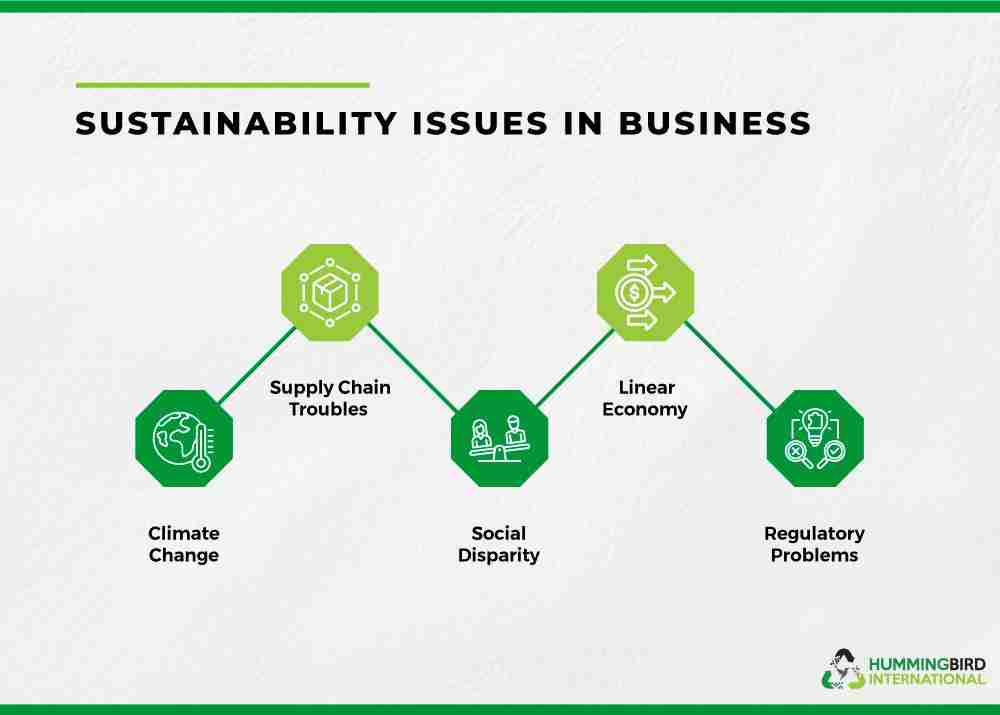
The world of milling is undergoing a transformative journey, where age-old techniques seamlessly intertwine with modern technologies. At the heart of this evolution is the careful implementation of sustainable practices that resonate both with the environment and with local traditions. Traditional milling, often characterized by its labor-intensive methods and close-knit community ties, is now being enhanced through innovations like energy-efficient machines and renewable energy sources. By adopting these practices, mills can reduce their carbon footprint while maintaining the rich heritage of their craft, allowing the wisdom of the past to inform a more sustainable future.
Key sustainable strategies being embraced in milling include:
- Water Conservation: Efficient water use practices that minimize waste during the grinding process.
- Waste Management: Repurposing by-products into animal feed or organic fertilizers, creating a circular economy.
- Local Sourcing: Partnering with regional farmers to reduce transportation emissions and support local agriculture.
- Energy Efficiency: Upgrading to energy-saving equipment that lowers electricity consumption and cuts costs.
In order to visualize the impact of these sustainable approaches, here’s a comparative overview of traditional versus innovative milling technologies:
| Aspect | Traditional Milling | Innovative Milling |
|---|---|---|
| Energy Use | High consumption | Lower consumption with renewable sources |
| Waste Production | Higher waste levels | Recycling and repurposing by-products |
| Community Impact | Strong local ties | Enhanced support through local sourcing |
| Environmental Footprint | Significant | Minimal with eco-friendly practices |
Final Thoughts
As we close our exploration into the intricate world of cereal milling, we find ourselves at the intersection of tradition and innovation, where centuries-old techniques meet modern technology. Grinding goodness is not merely a mechanical process; it is an artform shaped by science, time, and human ingenuity. Each grain, with its unique characteristics, tells a story that transcends the confines of a breakfast bowl, impacting nutrition, sustainability, and the global food landscape.
Whether you are an enthusiast eager to experiment with different flours or someone simply looking to appreciate the journey of your morning oats, understanding the nuances of cereal milling enriches our relationship with food. The next time you savor that warm slice of bread or a bowl of wholesome cereal, take a moment to appreciate the meticulous artistry behind its creation.
In a world constantly evolving, one thing remains steadfast—the commitment to quality and the pursuit of excellence in every grain. Cheers to the millers, the scientists, and the farmers whose dedication ensures we can always uplift our mornings with the goodness they grind. As we move forward, let us continue to celebrate this fascinating process, acknowledging the blend of heritage and innovation that nourishes us all.



