
Revolutionizing Agriculture: The Future of Automatic Rice Milling
In the heart of global food production, rice stands out as a staple that nourishes more than half of the world’s population. Yet, while the world evolves, the methods of processing this vital grain have often lagged behind. Enter the era of automatic rice milling—a technological transformation that promises not only to enhance efficiency but to reshape the very landscape of agricultural practices. From reducing labor costs to increasing yield and quality, the advent of automatic milling systems heralds a new chapter in the rice industry. As we delve into the innovations driving this revolution, we will explore the impact of automation on the agricultural economy, food security, and the lives of farmers who play a pivotal role in feeding our planet. Join us on this journey as we uncover how cutting-edge technology is redefining traditional methodologies and paving the way for a more sustainable future in rice production.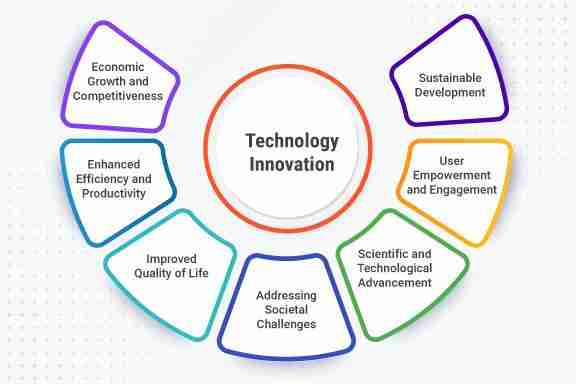
Innovative Technologies Shaping Automatic Rice Milling
Automatic rice milling is undergoing a transformation fueled by cutting-edge technologies that enhance efficiency and precision. Robotics and automation are at the forefront, enabling small to large-scale mills to operate with minimal human intervention. By integrating artificial intelligence (AI) and machine learning algorithms, these systems can analyze grain quality in real-time, adjusting milling parameters to ensure optimal yield and reduce waste. Sophisticated sensors monitor variables such as moisture content and grain size, which optimizes both the milling process and final product quality.
Furthermore, the advent of Internet of Things (IoT) has connected rice milling machines to a global ecosystem, allowing for seamless data exchange and operational monitoring. This connectivity facilitates predictive maintenance, reducing downtime and ensuring that mills run at peak performance. The incorporation of sustainable practices through energy-efficient machinery not only lowers costs but also aligns with global efforts to mitigate climate impact. the embrace of innovative technologies is setting a new standard for the rice milling industry, leading to enhanced productivity, sustainability, and overall quality.

Sustainability Benefits and Challenges of Modern Milling Practices
Modern milling practices, especially automatic rice milling, offer significant sustainability benefits that revolutionize the agricultural landscape. One of the primary advantages is the reduction of waste, as advanced milling technology optimizes the process to minimize broken kernels and maximize recoverable grain. This not only improves yield but also serves to lower the environmental impact associated with processing waste. Other key benefits include:
- Water conservation: Innovative milling methods often require less water compared to traditional techniques, contributing to more sustainable water management.
- Energy efficiency: Automatic systems are designed to consume less energy, using advanced machinery that operates with greater precision.
- Reduced emissions: By streamlining operations, modern mills can significantly decrease greenhouse gas emissions associated with rice production through less fuel consumption.
However, these advancements are not without challenges. The initial investment in modern milling technology can be a barrier for smallholder farmers, especially in developing regions. The reliance on sophisticated machinery can lead to increased maintenance costs and a need for specialized training to operate equipment effectively. Additionally, the consolidation of milling operations can threaten local economies, as smaller, community-based mills face competition from larger, automated ones. Key concerns include:
- Economic disparity: Larger operations may benefit disproportionately, leading to an imbalance in opportunities for smaller scale farmers.
- Job displacement: Automation can reduce the need for manual labor, potentially resulting in job losses in rural communities.
- Technological dependence: Heavy reliance on advanced machinery can create vulnerabilities, particularly in regions prone to technical failures or supply chain disruptions.
Enhancing Efficiency: The Role of Automation in Rice Processing
The integration of automation in rice processing is transforming the agricultural landscape, paving the way for increased productivity and reduced labor costs. Automated milling systems employ advanced technologies, enabling the seamless processing of rice with precision and efficiency. By employing state-of-the-art machines, rice producers can achieve remarkable outcomes such as:
- Enhanced Yield: Automation reduces human error, ensuring optimal milled rice quality and consistency.
- Labor Optimization: With machines handling repetitive tasks, human resources can focus on more strategic aspects of production.
- Speedy Processing: Automated systems operate at greater speeds, significantly increasing throughput compared to traditional methods.
Moreover, the environmental impact of rice milling is being addressed through innovations like energy-efficient machinery and waste management solutions. For instance, some automated rice mills are equipped to recycle by-products, reducing waste and turning it into value-added products. Below is a brief comparison of traditional versus automated rice processing:
| Aspect | Traditional Processing | Automated Processing |
|---|---|---|
| Labor Intensity | High | Low |
| Processing Time | Long | Short |
| Quality Consistency | Variable | Consistent |
| Waste Management | Poor | Optimized |
As the industry continues to embrace these technologies, the potential for improved economic outcomes and sustainability in rice production remains promising. Automation not only streamlines operations but also aligns with the broader goals of modern agriculture, meeting rising global food demands while nurturing the environment.
Future Trends: Predictions for the Evolution of Rice Milling Techniques
The landscape of rice milling is poised for a transformative shift, driven by advancements in automation and technology. As the demand for efficiency and sustainability in agricultural practices intensifies, we can expect smart milling systems to become the norm. These systems will leverage Internet of Things (IoT) devices to monitor and optimize each stage of the milling process, dramatically improving yield and quality. Integration of AI algorithms will enable mills to adjust parameters in real-time, ensuring that operators achieve optimal results while reducing waste and energy consumption.
Furthermore, the push towards sustainable practices will likely inspire innovations in milling equipment design. Next-generation rice mills may incorporate renewable energy sources, such as solar and wind, to reduce carbon footprints. Additionally, advancements in materials science could lead to the development of lightweight, efficient milling machinery that minimizes downtime and maintenance costs. Key trends to watch include:
- Precision milling technologies that enhance quality control.
- Data analytics for predictive maintenance and improved operational efficiency.
- Eco-friendly practices to meet increasing consumer demand for sustainability.
Insights and Conclusions
As we stand on the brink of a new era in agriculture, the innovations in automatic rice milling present not just a technological advancement, but a hopeful vision for the future of food production. With the potential to increase efficiency, reduce waste, and support sustainable practices, these systems promise to transform how we cultivate and process one of the world’s staple crops. The journey towards this agricultural revolution is paved with challenges, yet the collective efforts of engineers, farmers, and researchers offer a glimpse into a future where technology harmonizes with nature to foster resilience in farming communities. As we envision the fields of tomorrow, it becomes clear that the commitment to innovation in rice milling will play a pivotal role in nourishing a growing global population, all while safeguarding the environment for generations to come. With the right investments and collaboration, the dream of a more efficient and sustainable agricultural landscape is not just a possibility—it’s an inevitable reality waiting to unfold.



