
In a world where food security and sustainability are paramount, the journey from field to table is more intricate than it appears. At the heart of this journey lies a critical player: the paddy processing unit. Often overshadowed by the primary rice production areas, these facilities serve as the vital link that transforms raw paddy into a staple food cherished across continents. By harnessing innovative processing techniques and embracing sustainable practices, paddy processing units unlock the true potential of rice—maximizing yield, enhancing nutritional value, and minimizing waste. In this article, we delve into the essential role these units play in not only supporting local economies but also shaping the future of global food systems. Join us as we explore how the meticulous processing of paddy can pave the way for a more sustainable and resilient agricultural landscape.
Understanding the Mechanisms of Paddy Processing Units
Paddy processing units serve as the backbone of the rice production industry, transforming grain from its raw state into consumable products that fill the plates of millions. Understanding their operational mechanisms reveals the intricate processes involved in production. Firstly, these units deploy a variety of technological protocols that streamline the conversion of paddy to rice, including:
- Cleaning: Removal of impurities such as stones, dust, and husks.
- Hulling: Separation of the rice grain from the husk.
- Milling: Grinding the rice to achieve the desired quality and size.
- Polishing: Enhancing the appearance and marketability of rice.
Each step plays a pivotal role in ensuring the final product meets both quality and safety standards. The effectiveness of paddy processing units is also influenced by the advanced machinery and equipment employed throughout the workflow, which can significantly enhance efficiency. Below is a table illustrating key equipment used in paddy processing, along with their primary functions:
| Equipment | Function |
|---|---|
| De-stoner | Eliminates stones mixed with paddy grains. |
| Husk Separator | Extracts brown rice from husks. |
| Milling Machine | Grinds brown rice to white rice. |
| Grader | Sorts rice based on size and quality. |
Through integration of these technologies and processes, paddy processing units not only optimize production efficiency but also contribute to the sustainability of rice supply chains, making them vital in fulfilling global food demands.
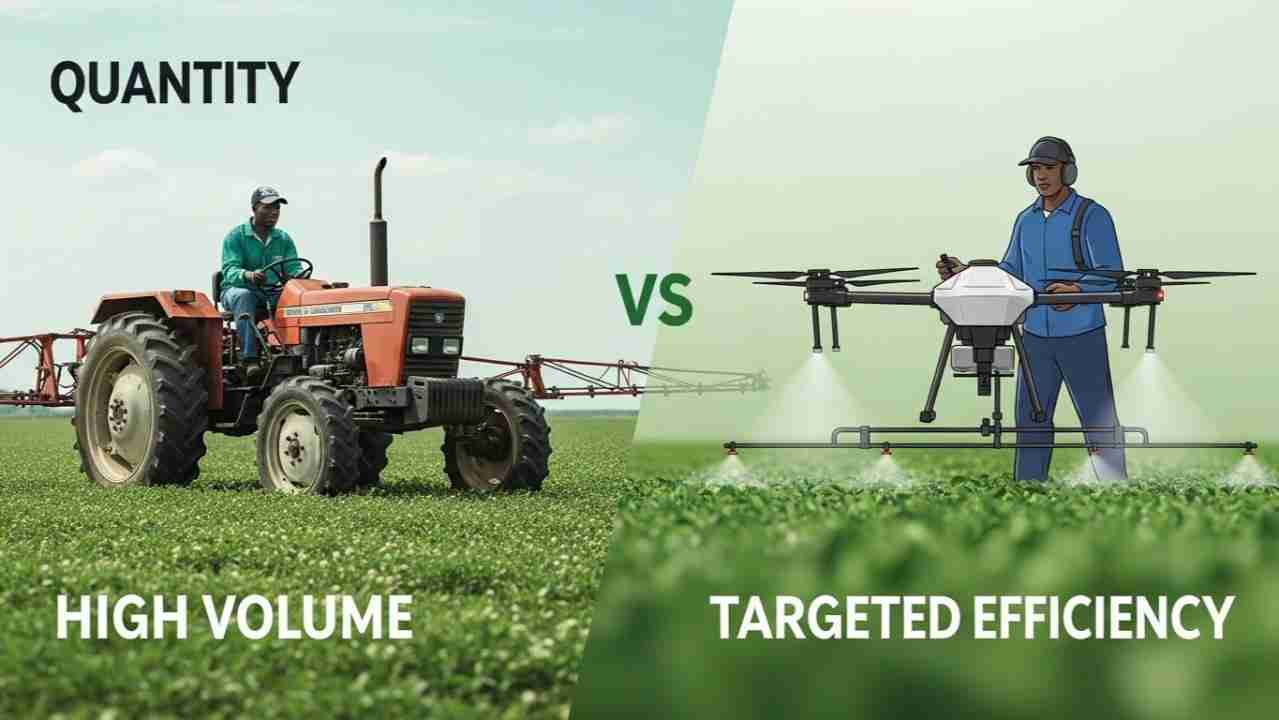
Cultivating Efficiency: Innovations in Paddy Processing Technology
Advancements in paddy processing technology are revolutionizing how rice is produced and prepared for consumption, enhancing both yield and quality. Innovative machinery and software solutions not only alleviate labor intensity but also streamline workflows, making it easier for operators to manage resources effectively. The integration of automated milling systems, AI-powered sorting machines, and energy-efficient drying technologies significantly boosts productivity while minimizing waste. As these tools become more accessible, small and large-scale producers alike can benefit from improved processing capabilities, ensuring better returns on their investments.
Among the most notable innovations are parboiling techniques that enhance grain quality and reduce cooking times, and smart monitoring systems that utilize IoT devices to track moisture levels and processing conditions in real-time. These developments lead to consistent product quality and help mitigate the risks of spoilage and loss. Additionally, the implementation of eco-friendly practices, such as waste recycling and water conservation technologies, supports sustainable production. The rising trend toward digitization and data analytics within paddy processing units is set to redefine the landscape, enabling stakeholders to make informed decisions that harmonize efficiency with environmental responsibility.
Sustainable Practices in Paddy Processing for a Greener Future
Paddy processing units have a significant opportunity to adopt sustainable practices that not only enhance operational efficiency but also contribute to environmental conservation. By integrating techniques such as water recycling, energy-efficient machinery, and biodegradable packaging, these units can drastically lower their ecological footprint. Some effective strategies include:
- Utilization of solar energy for power needs, reducing reliance on fossil fuels.
- Implementing closed-loop water systems to minimize water use and prevent contamination.
- Investing in waste-to-energy technologies to convert by-products into usable energy.
Furthermore, the social implications of sustainable practices extend to local communities, enhancing relationships and economic stability. Training programs for local farmers can foster knowledge about sustainable agriculture practices, ensuring higher-quality paddy inputs. Moreover, as paddy processing units embrace sustainable sourcing and production, they can promote a culture of sustainability that resonates with conscious consumers. A simple comparison table below illustrates key sustainability initiatives:
| Initiative | Description | Benefit |
|---|---|---|
| Water Recycling | Reusing water in the processing cycle | Conserves water resources |
| Energy Efficiency | Implementing advanced machinery | Reduces energy consumption |
| Waste Conversion | Transforming waste into energy | Minimizes landfill impact |
Empowering Local Economies Through Enhanced Paddy Value Chains
At the heart of thriving agricultural communities lies the pivotal role of paddy processing units, which provide a robust framework for local economies. By transforming raw paddy into processed rice, these units do much more than elevate the product’s value; they create a ripple effect that enhances employment opportunities, empowers farmers, and fosters sustainable practices. Local economies benefit through:
- Job Creation: From processing to distribution, countless job opportunities spring up, encouraging skilled labor.
- Income Diversification: Farmers can earn additional income by selling their product through processing units rather than directly to markets.
- Community Engagement: Local units often collaborate with farmers, creating a network that strengthens community ties.
Moreover, the establishment of processing units significantly enhances food security, as they provide accessible supply chains that can mitigate the effects of market fluctuations. Improved processing techniques yield higher quality products, making them competitive in both local and global markets. This shift not only transforms agricultural practices but also equips farmers with essential tools, such as:
| Tools | Benefits |
|---|---|
| Modern Milling Equipment | Ensures higher quality rice with fewer impurities. |
| Storage Facilities | Reduces post-harvest losses and ensures a steady supply. |
| Market Access Platforms | Connects farmers directly with consumers, streamlining sales. |
In Retrospect
As we conclude our exploration of the pivotal role that paddy processing units play in the agricultural landscape, it becomes clear that these facilities are not merely industrial hubs; they are vital silos of potential, innovation, and sustainability. Every grain processed is a testament to the hard work of farmers, the ingenuity of technology, and the demand for quality in our food systems. By unlocking the true potential of paddy processing, we can enhance food security, boost rural economies, and foster a sustainable future for generations to come.
As we move forward, it is essential that we recognize and invest in these critical units. They are the bridge connecting the fields to our tables, transforming raw potential into tangible prosperity. Whether through improved methods, better infrastructure, or advanced technologies, our commitment to empowering paddy processing units can result in a ripple effect that benefits farmers, consumers, and economies alike.
In the grand narrative of agriculture, let us not overlook the significance of these silent contributors. As we continue to cultivate solutions for a thriving agricultural sector, let us ensure that the potential of paddy processing remains a key focal point—a beacon guiding us towards sustainable progress.



