
Unveiling Corn Processing: From Kernel to Consumer Delight
Corn, often regarded as a humble staple, holds a profound place in the tapestry of global agriculture and cuisine. From the golden fields of the Midwest to the bustling markets of South America and beyond, these vibrant kernels serve not only as sustenance but also as a versatile ingredient that transforms meals and delights palates. But what goes on behind the scenes? The journey from field to table is a complex interplay of agricultural ingenuity, technological advancement, and culinary creativity. In this exploration of corn processing, we delve into the intricate steps that transform simple kernels into an array of products enjoyed by consumers worldwide. Join us as we uncover the fascinating processes that elevate corn, revealing the science and artistry behind this multifaceted ingredient that has helped shape culinary traditions across cultures.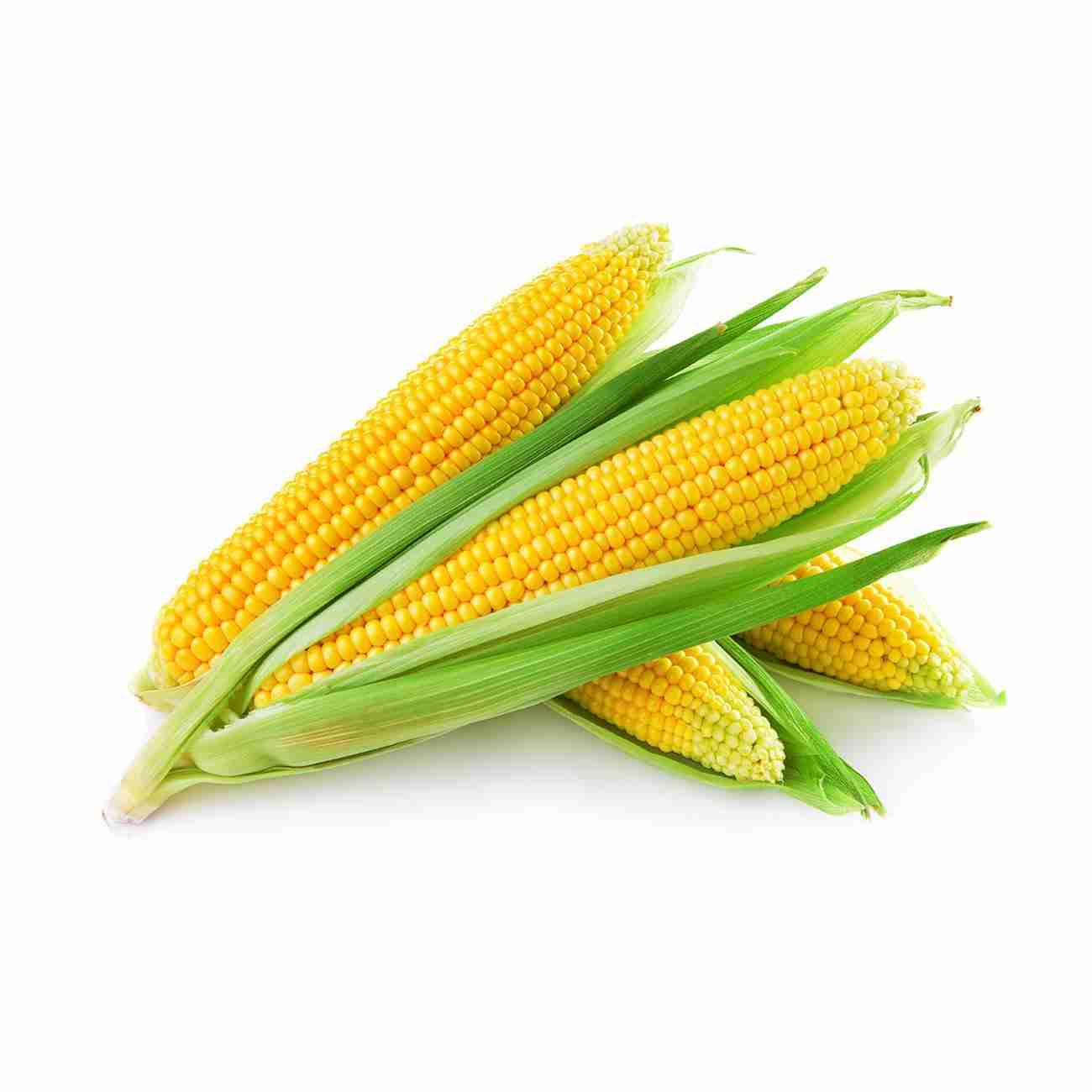
Exploring the Journey of Corn: From Field to Fork
The journey of corn is as rich as its flavor, beginning in sun-kissed fields where it flourishes under the watchful eyes of farmers. After the labor-intensive process of planting, nurturing, and harvesting, these vibrant yellow kernels are carefully gathered. Each ear of corn carries not only the promise of sustenance but also a story woven through generations. The immediate post-harvest process involves drying and cleaning, where moisture content is reduced, preparing the kernels for further processing. It’s a meticulous stage, ensuring that only the highest quality corn makes its way to processing facilities.
At the processing plant, the magic truly begins. Here, corn is transformed through a series of innovative techniques that maximize its versatility. Some of these processes include:
- Milling: Breaking down the kernels into various forms, such as cornmeal or corn flour.
- Cooking: Used to produce products like polenta or corn tortillas.
- Fermentation: Leading to delicious by-products like corn whiskey.
- Extraction: Yielding sweeteners such as high-fructose corn syrup.
To illustrate the diverse forms in which corn is transformed, the following table outlines a few prominent corn products:
| Product | Type | Common Uses |
|---|---|---|
| Cornstarch | Thickening agent | Sauces, puddings |
| Corn oil | Cooking oil | Frying, baking |
| Popcorn | Snack food | Movie theaters, home snacks |
| Sweet corn | Vegetable | Salads, side dishes |
As the processed corn reaches distributors, an array of consumer delights unfolds, showcasing its ability to cater to varied tastes and culinary traditions. The ease with which corn can be integrated into daily diets, from breakfast cereals to evening meals, reflects its role as a cornerstone of food culture across the globe.
Understanding the Methods of Corn Processing and Their Impacts
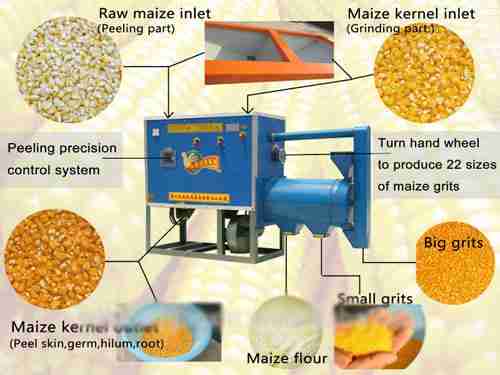
Corn processing involves a series of complex methods that transform raw corn into versatile ingredients used in a myriad of products. Through techniques such as wet milling and dry milling, the kernel is separated into its constituent parts, including starch, protein, oil, and fiber. Each method produces different outputs that cater to various industries. For example, wet milling not only yields corn syrup and glucose but also allows for the extraction of valuable co-products like corn oil and dextrose. In contrast, dry milling primarily focuses on producing meal and grits, which are staples in both food and feed sectors. The choice of method impacts everything from nutritional profiles of the end products to their economic value within the market.
The repercussions of corn processing extend beyond the immediate benefits to manufacturers; they ripple through the ecological and economic landscapes as well. Consider the following factors that illustrate these impacts:
- Sustainability: Efficient processing methods maximize yield and minimize waste, promoting ecological balance.
- Resource Consumption: Methods like wet milling often require considerable water and energy resources, raising questions about their sustainability.
- Market Influence: Processed corn products like ethanol can significantly affect global commodity prices, influencing agricultural practices worldwide.
| Processing Method | Main Products | Environmental Impact |
|---|---|---|
| Wet Milling | Corn syrup, dextrose, corn oil | High water consumption |
| Dry Milling | Cornmeal, grits | Lower waste, energy efficient |

Innovations in Corn Products: Enhancing Quality and Sustainability
The landscape of corn products is rapidly evolving, marked by a surge in innovative techniques that prioritize both quality and sustainability. Advanced processing methods have emerged, focusing on enhancing the nutritional profile and taste of corn-derived foods. For example, the adoption of non-GMO and organic varieties ensures that consumers enjoy corn products that are free from harmful chemicals while supporting ecological farming practices. Innovations in enzyme technology have also played a crucial role in the processing stage, improving the breakdown of starches and fibers to create smoother textures and more appealing flavor profiles. Key innovations include:
- Bioprocessing: Utilizing microorganisms to enhance corn fermentation.
- Precision Agriculture: Implementing data-driven farming techniques to optimize yield.
- Waste Minimization: Developing methods to repurpose by-products for animal feed or biofuels.
Moreover, companies are increasingly embracing sustainability by integrating eco-friendly practices throughout the supply chain. The emphasis on renewable energy sources in production facilities and the use of biodegradable packaging options are examples of how the industry is aiming to reduce its carbon footprint. To quantify these efforts, a comparative overview of conventional versus innovative practices can be insightful:
| Aspect | Conventional Practice | Innovative Practice |
|---|---|---|
| Farming Approach | High-chemical inputs | Organic and regenerative methods |
| Energy Use | Fossil fuels dominance | Renewable energy investments |
| Product Packaging | Plastic reliance | Biodegradable materials |

Consumer Awareness: How to Make Informed Choices About Corn-Based Ingredients
In today’s market, corn-based ingredients have become ubiquitous, appearing in everything from processed foods to personal care products. To navigate this cornucopia of options, consumers must become savvy about what they are purchasing. A good starting point is to familiarize yourself with the various forms of corn derivatives. These include:
- High Fructose Corn Syrup – A sweetener derived from corn starch, often found in sodas and candies.
- Corn Starch – A thickener and stabilizer used in sauces, soups, and desserts.
- Cornmeal – Ground corn often used in baking and cooking.
- Corn Oil – A cooking oil extracted from the germ of corn kernels, widely used for frying.
Understanding the sourcing and processing methods can greatly illuminate consumer choices. Investigating whether corn is sourced from non-GMO farms or if it carries an organic label is essential. Furthermore, reading labels carefully allows for informed decisions, especially with ingredients that may contain hidden additives or preservatives. To help visualize the significance of your choices, refer to the following table illustrating the health implications of commonly used corn products:
| Ingredient | Health Implications |
|---|---|
| High Fructose Corn Syrup | Linked to obesity and metabolic issues. |
| Corn Starch | High glycemic index, may spike blood sugar levels. |
| Cornmeal | Good source of fiber, but can be calorie-dense if consumed in excess. |
| Corn Oil | High in omega-6 fatty acids, should be balanced with omega-3 intake. |
Concluding Remarks
As we draw the curtain on our exploration of corn processing, we leave you with a newfound appreciation for this humble kernel’s journey from field to fork. Each step in the processing pipeline reflects a delicate blend of tradition and innovation, shaped by the hands of skilled farmers, engineers, and culinary artisans. This golden grain, once merely a staple of the harvest, transforms into an array of products that delight our palates and nourish our bodies.
From the shimmering oil that enhances our favorite dishes to the sweet cornbread that warms our hearts, corn’s versatility is a testament to its significance in our diets and cultures. With a deeper understanding of the intricate processes at play, we invite you to celebrate corn not just as a commodity but as a catalyst for creativity in the culinary world.
As you savor your next meal, take a moment to reflect on the journey of corn and the countless individuals dedicated to bringing this vibrant crop from the soil to your table. Let us appreciate the art and science that feeds our communities, fueling not only our bodies but also our collective spirit. After all, every bite tells a story—one of hard work, innovation, and the pleasure of connection through food.



